
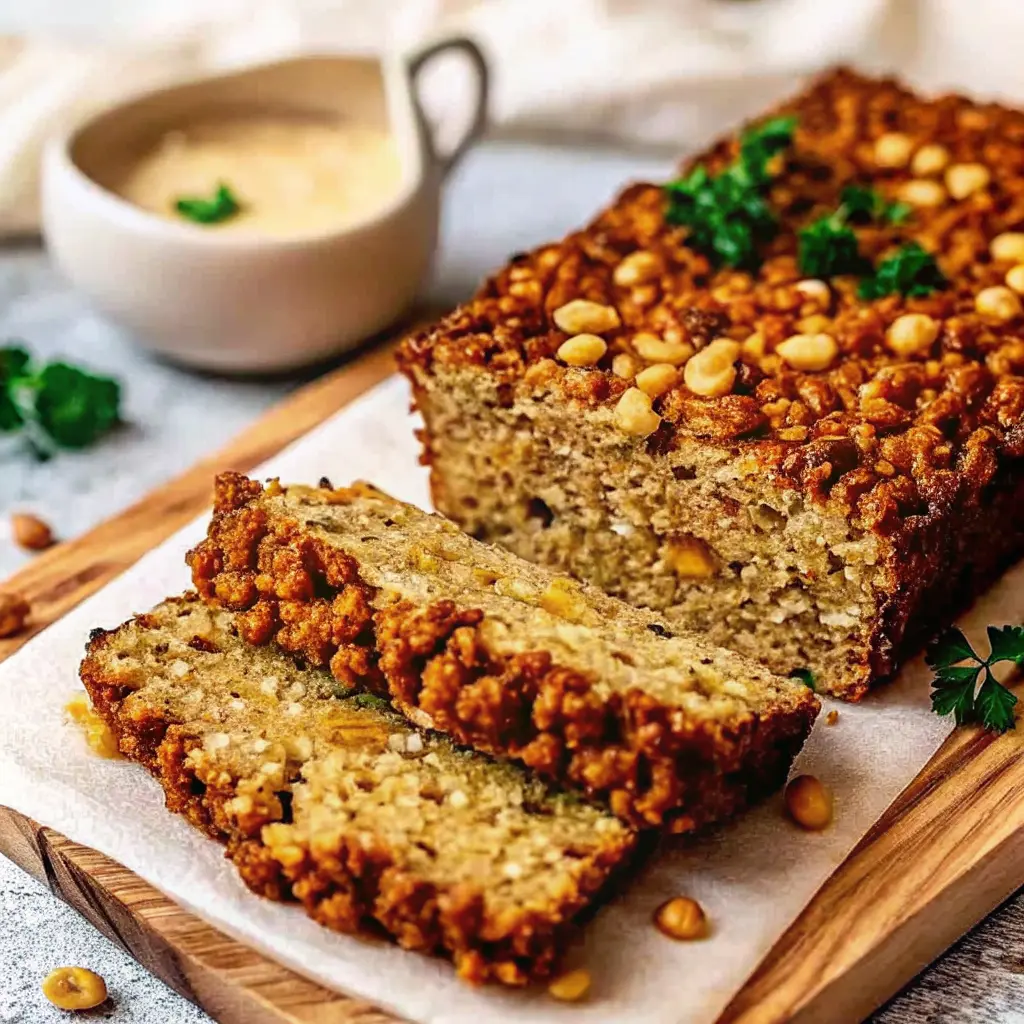
What Is Herb-Roasted Nut Loaf?
A herb-roasted nut loaf is a baked savory loaf made primarily from mixed nuts, herbs, and aromatic vegetables, bound together with breadcrumbs or grains and baked in a loaf pan. Imagine:
- The structure of a meatloaf
- The flavor depth of roasted nuts and caramelized vegetables
- The aroma of a pan full of fresh herbs hitting a hot oven
Unlike a plain nut loaf, the herb-roasted version leans into herbs as the star ingredient. Woody herbs like:
- Rosemary
- Thyme
- Sage
Give the loaf a rich, roasty character and pair it beautifully with nuts like walnuts, pecans, and hazelnuts.
Nut Roast vs. Herb-Roasted Nut Loaf
A traditional nut roast is often:
- Nut-heavy, with breadcrumbs or grains
- Mildly seasoned, sometimes with a simple onion and herb base
A herb-roasted nut loaf takes that concept and turns the dial up by:
- Using more herbs, both fresh and dried
- Toasting nuts for a deeper, more complex flavor
- Layering aromatics like onions, garlic, and mushrooms
- Adding optional toppings or glazes
The result is a loaf that feels more like a centerpiece than just a side.
When to Serve Herb-Roasted Nut Loaf
You can bring out this loaf for almost any occasion, but it shines especially when something “special” is called for:
- Holiday dinners (Christmas, Thanksgiving, New Year’s)
- Sunday roasts or weekend gatherings
- Potlucks or buffet spreads
- Meatless main for dinner parties
- Leftover-friendly weekday meals (slices reheat beautifully)
Ingredient Breakdown: Herb-Roasted Nut Loaf
A great herb-roasted nut loaf comes down to balance: crunchy vs. tender, rich vs. fresh, earthy vs. aromatic. Let’s break that down.
Choosing the Best Nuts
You can use just one type of nut, but a mix adds more depth. Great options include:
- Walnuts – earthy, slightly bitter, very flavorful
- Pecans – sweet, buttery, rich
- Hazelnuts – deeply aromatic and toasty
- Almonds – neutral, slightly sweet, great for structure
- Cashews – creamy and mild, blend beautifully
- Brazil nuts or macadamia nuts – rich and luxurious in small amounts
Tips for using nuts in your loaf:
- Use a mix of nuts for a complex flavor.
- Toast the nuts lightly before mixing to deepen their taste.
- Chop to varying sizes: some fine for binding, some chunky for texture.
Toasting makes a huge difference. You can learn more techniques and timing details from general resources, like how to toast nuts for extra crunch and flavor, which reinforces how just a few minutes of heat can transform the flavor of your nuts.
The Herb Blend: Fresh vs. Dried
The herbs are the heart of this loaf. A classic, reliable blend might include:
- Fresh rosemary (chopped)
- Fresh or dried thyme
- Fresh sage (finely chopped)
- Fresh parsley for brightness
You can also introduce:
- Oregano
- Marjoram
- Tarragon (sparingly)
Conversion note:
- If a recipe calls for 1 tablespoon of fresh herbs, you’ll usually need about 1 teaspoon dried.
Flavor ideas:
- Mediterranean: rosemary, thyme, oregano, basil
- Woodland: sage, rosemary, thyme, lots of mushrooms
- Bright: parsley, chives, dill + lemon zest
Binders & Structure
To transform chopped nuts and herbs into a loaf that slices cleanly, you need binders. Common choices:
- Breadcrumbs (fresh or dried)
- Rolled oats (quick oats work best for texture)
- Cooked grains (rice, quinoa, barley)
- Eggs or flax “eggs” (for a vegan version)
Good binding ingredients help:
- Absorb moisture
- Hold the loaf together once baked
- Keep the texture tender instead of crumbly
For a vegan loaf:
- Use flax eggs (1 tablespoon ground flaxseed + 3 tablespoons water per egg)
- Or chia eggs (same ratio using chia seeds)
Aromatics & Flavor Boosters
To avoid a flat-tasting loaf, pack in the aromatics:
- Onion or shallots
- Garlic
- Leeks or green onions
- Celery
- Carrots
- Mushrooms (fantastic for savoriness)
Sautéing these slowly builds a flavorful base. Then you can add extra boosters:
- Tomato paste
- Dijon mustard
- Soy sauce or tamari
- Miso paste
- Balsamic vinegar or red wine
These ingredients layer savoriness and complexity without overwhelming the herbs.
Seasonings & Texture Add-Ins
To finish building your flavor:
- Sea salt or kosher salt
- Freshly ground black pepper
- Smoked paprika
- A pinch of nutmeg
- A pinch of cayenne (optional heat)
You can also mix in:
- Pumpkin seeds or sunflower seeds
- Chopped chestnuts
- Pistachios for color and crunch
Optional toppings:
- A simple herb oil is brushed on top before baking
- A nut-and-herb crumb mixture
- A drizzle of cranberry glaze for a festive look
Equipment & Prep
You don’t need fancy tools, but a few basics make the process smoother.
Essential Equipment
- Loaf pan (around 9×5 in / 23×13 cm works well)
- Parchment paper for lining
- Large mixing bowl
- Skillet or frying pan
- Food processor or a good, sharp knife and cutting board
- Measuring cups and spoons
- Spatula
- Cooling rack
Prep Steps Before You Start
Before mixing everything:
- Line your loaf pan with parchment so the loaf lifts out easily.
- Lightly oil or spray the pan and parchment.
- Preheat your oven so it’s fully hot by the time the loaf goes in.
- Toast your nuts in a dry pan or on a tray in the oven until fragrant, then cool.
- Make any binders that need standing time, such as flax eggs.
- Chop and sauté your aromatics until they’re soft and lightly golden.
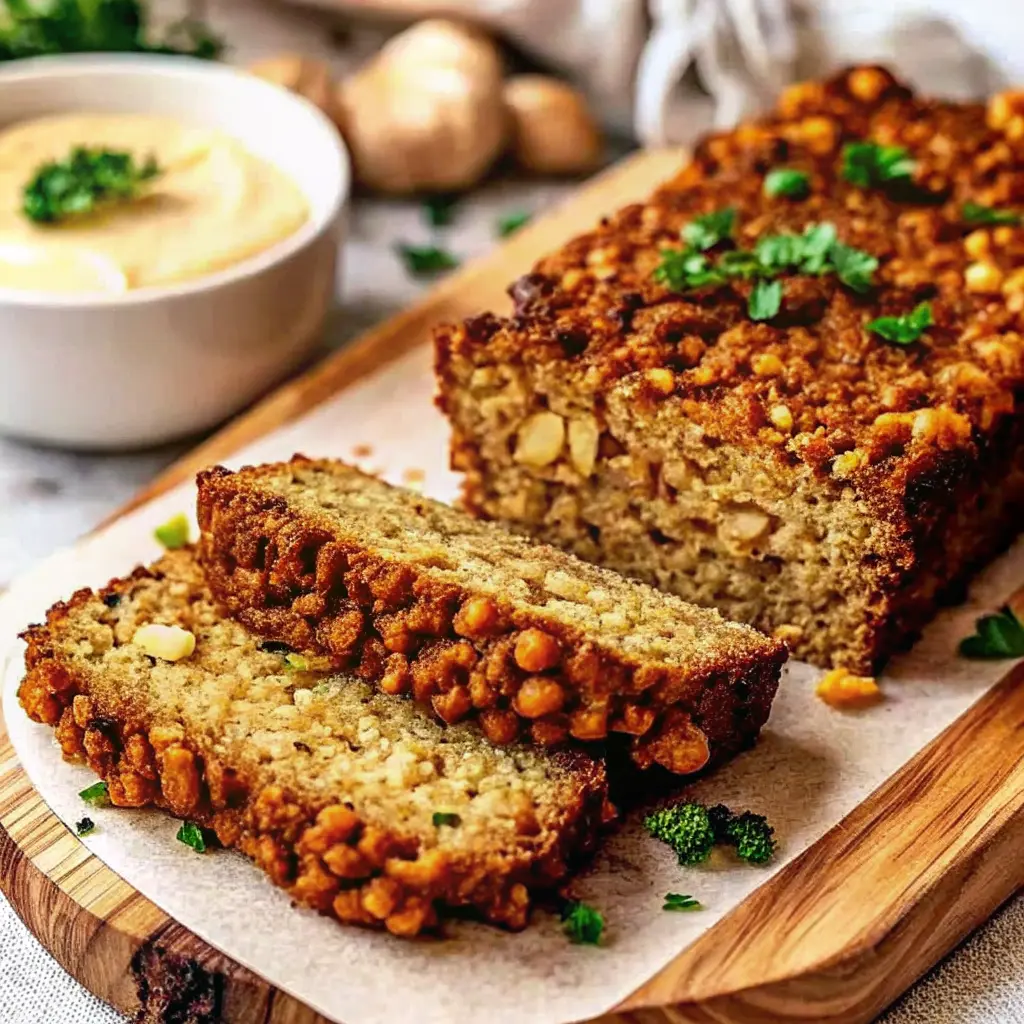
Step-by-Step Herb-Roasted Nut Loaf Recipe
This is the base version of the herb-roasted nut loaf that you can adapt and customize.
Ingredients (Base Recipe)
For the Nut Loaf
- 2 cups mixed nuts (walnuts, pecans, almonds, hazelnuts, cashews)
- 1 tablespoon olive oil or butter (for sautéing)
- 1 large onion, finely chopped
- 2–3 garlic cloves, minced
- 1–2 cups finely chopped mushrooms (optional but recommended for depth)
- 1–2 stalks celery, diced
- 1 medium carrot, grated or finely chopped
- 1 tablespoon tomato paste or 1 teaspoon Dijon mustard
- 2 tablespoons soy sauce or tamari
- 1–2 tablespoons balsamic vinegar or a splash of red wine (optional)
- 1 cup breadcrumbs or rolled oats
- 2 eggs or 2 flax eggs (for a vegan version)
- ¼–½ cup vegetable stock (as needed for moisture)
Fresh Herbs
- 1 tablespoon chopped rosemary
- 1 tablespoon chopped thyme
- 1 tablespoon chopped sage
- ¼ cup chopped parsley
Seasonings
- 1 teaspoon salt (or to taste)
- ½ teaspoon black pepper
- ½ teaspoon smoked paprika (optional)
- Pinch of nutmeg
- Pinch of cayenne (optional)
Step 1 – Toast and Prep the Nuts
- Spread the mixed nuts on a baking tray.
- Toast in a medium-hot oven or in a dry skillet until fragrant and lightly golden.
- Let them cool, then:
- Pulse in a food processor to a mixture of fine and chunky pieces, or
- Chop by hand, reserving some larger pieces for texture.
Tip: Avoid grinding them into a paste; you want texture, not nut butter.
Step 2 – Cook the Aromatics
- Heat a little olive oil or butter in a skillet over medium heat.
- Add the chopped onion and cook until translucent and soft.
- Stir in the garlic and cook for another minute or two.
- Add celery, carrot, and mushrooms, if using.
- Cook until the vegetables are soft and any excess moisture from mushrooms has evaporated.
- Stir in tomato paste or Dijon, plus a splash of soy sauce/tamari and balsamic/wine if using.
- Remove from heat and let cool slightly.
This mixture should smell rich and deeply savory before you even combine it with the nuts.
Step 3 – Mix the Loaf Base
In a large bowl:
- Combine the chopped toasted nuts and the sautéed vegetables.
- Add your fresh chopped herbs.
- Stir in breadcrumbs or oats and any cooked grains if you’re using them.
- Add beaten eggs or flax eggs.
- Pour in a little vegetable stock until the mixture is cohesive but not wet.
Then:
- Season with salt and pepper.
- Mix thoroughly so herbs and nuts are evenly distributed.
- Press a small sample together in your hand. It should hold without crumbling apart.
Step 4 – Shape & Bake
- Transfer the mixture into your prepared loaf pan.
- Press it down firmly and evenly, smoothing the top.
- If you’re using a topping (extra nuts, herbs, or a glaze), add it now.
- Bake in a preheated oven until:
- The top is golden and slightly crisp
- The loaf feels firm when pressed
- The edges pull slightly away from the pan
Depending on your oven and loaf size, this often takes around 45–60 minutes.
Step 5 – Rest, Slice & Serve
- Remove the loaf from the oven and let it rest in the pan for 10–15 minutes.
- Lift it out using the parchment paper and transfer to a cutting board.
- Let it cool another 10 minutes if you want very neat slices.
- Use a sharp knife to cut into thick slices.
At this stage, the loaf should hold together well, with visible layers of nuts, herbs, and vegetables.
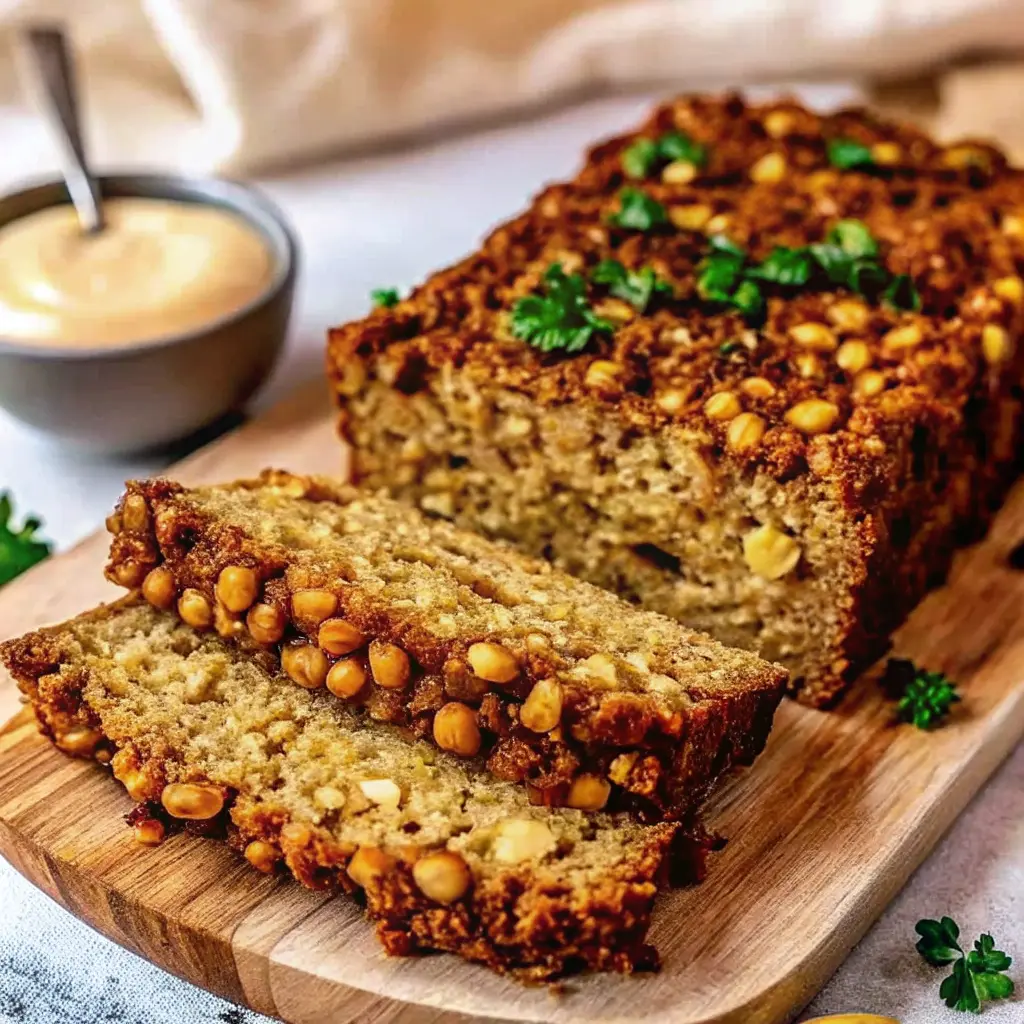
Serving Suggestions, Sauces & Side Dishes
A herb-roasted nut loaf is endlessly versatile when it comes to plating.
Classic Roast-Style Serving
Serve it as you would a traditional roast:
- Thick slices of herb-roasted nut loaf
- Crispy roast potatoes or wedges
- Roasted root vegetables (carrots, parsnips, beetroot)
- Steamed or sautéed green veg (beans, peas, Brussels sprouts)
This style of serving makes the loaf feel festive and abundant.
Sauces & Toppings
The right sauce can turn a good loaf into a spectacular meal:
- Mushroom gravy
- Rich onion gravy
- Herb-infused gravy with rosemary and thyme
- Cranberry sauce or redcurrant jelly for a sweet-tart contrast
- Tomato chutney or caramelized onion relish
You can also:
- Brush the sliced loaf with a little herb oil or melted butter before serving
- Sprinkle extra chopped parsley or chives on top for color
Using Leftovers Creatively
Leftover herb-roasted nut loaf might be even better the next day. Try:
- Sandwiches:
- Toasted bread + mayonnaise or mustard
- Sliced nut loaf
- Crisp lettuce, tomato, pickles, cranberry sauce
- Bowls:
- Crumble warm slices over cooked grains, roasted vegetables, and a drizzle of sauce
- Pan-Fried Slices:
- Fry slices in a little oil or butter until crisp on the edges
- Serve with sautéed greens, roasted tomatoes, or a simple salad
Make-Ahead, Freezing & Reheating
Another reason to love herb-roasted nut loaf: it’s very friendly to advanced prep.
Making the Loaf in Advance
You have three main options:
- Assemble, then chill
- Mix and pack the loaf into the pan
- Cover and refrigerate overnight
- Bake fresh the next day
- Fully bake, then chill
- Bake the loaf completely
- Cool, wrap, and chill for up to a few days
- Reheat gently, covered with foil
- Par-bake, then finish
- Bake until nearly done
- Finish baking on the day of serving
Each approach works; choose whichever best fits your schedule and oven space.
Freezing Instructions
To freeze a herb-roasted nut loaf:
- Cool the loaf completely.
- Wrap tightly in parchment or foil, then place in a freezer-safe bag or container.
- Freeze whole or in thick slices (slices thaw faster and can be reheated individually).
When ready to use:
- Thaw in the fridge overnight.
- Reheat in a moderate oven, covered with foil to prevent drying.
Reheating Without Drying Out
For reheating:
- Place the loaf or slices in an oven-safe dish.
- Add a small splash of vegetable stock or water.
- Cover tightly with foil.
- Warm in a moderate oven until heated through.
Troubleshooting: Fixing Common Nut Loaf Issues
Even with a good recipe, small tweaks can make the difference between “good” and “wow.”
Why Did My Nut Loaf Crumble?
Common reasons:
- Too little binder (eggs, flax eggs, or grains)
- The mixture was too dry before baking
- The nuts and vegetables weren’t finely enough distributed
- The loaf wasn’t cooled/rested long enough before slicing
Fix it next time:
- Add more liquid or binder to the mixture.
- Pack the mixture more firmly into the pan.
- Let the loaf rest at least 15–20 minutes before slicing.
Why Is My Herb-Roasted Nut Loaf Dense or Gummy?
Possible causes:
- Too many liquid vs. dry ingredients
- Over-packing the loaf mixture
- Undercooking (center still very soft)
Solutions:
- Stir in more breadcrumbs or oats to balance moisture.
- Press the mixture firmly, but don’t compress it into a brick.
- Bake longer at a moderate temperature until the loaf feels firm through the center.
How Do I Boost the Flavor?
If your loaf tastes flat:
- Increase salt, pepper, and herbs next time.
- Toast the nuts more thoroughly for a deeper flavor.
- Use more umami boosters such as soy sauce, miso, or tomato paste.
- Consider adding a tangy element (balsamic, wine, or lemon zest).
You can also rescue a mild loaf by:
- Serving it with a punchy sauce or relish
- Brushing slices with herb oil before reheating
FAQs About Herb-Roasted Nut Loaf
1. What is herb-roasted nut loaf made of?
A typical herb-roasted nut loaf is made from mixed nuts, fresh and dried herbs, sautéed vegetables (like onion, garlic, mushrooms, celery, and carrot), breadcrumbs or grains, and binding ingredients such as eggs or flax eggs, all baked together in a loaf pan.
2. Can I make herb-roasted nut loaf without a food processor?
Yes. You can:
- Chop nuts by hand with a sharp knife
- Dice vegetables finely
- Stir everything together in a large bowl
3. Can I freeze herb-roasted nut loaf?
Yes. Cool the loaf completely, wrap it well, and freeze whole or in slices. Thaw overnight in the fridge, then reheat in a covered dish until warmed through.
4. How long does nut loaf keep in the fridge?
Generally, it keeps well for several days when stored in an airtight container in the refrigerator. Reheat slices as needed.
Conclusion
A beautifully made herb-roasted nut loaf is more than just a meatless main—it’s a fragrant, richly flavored centerpiece that brings nuts, herbs, and roasted vegetables together in one satisfying slice. Once you master the base recipe and understand how nuts, herbs, binders, and aromatics work together, you can customize it endlessly with different herb blends, seasonal add-ins, and creative sauces.