
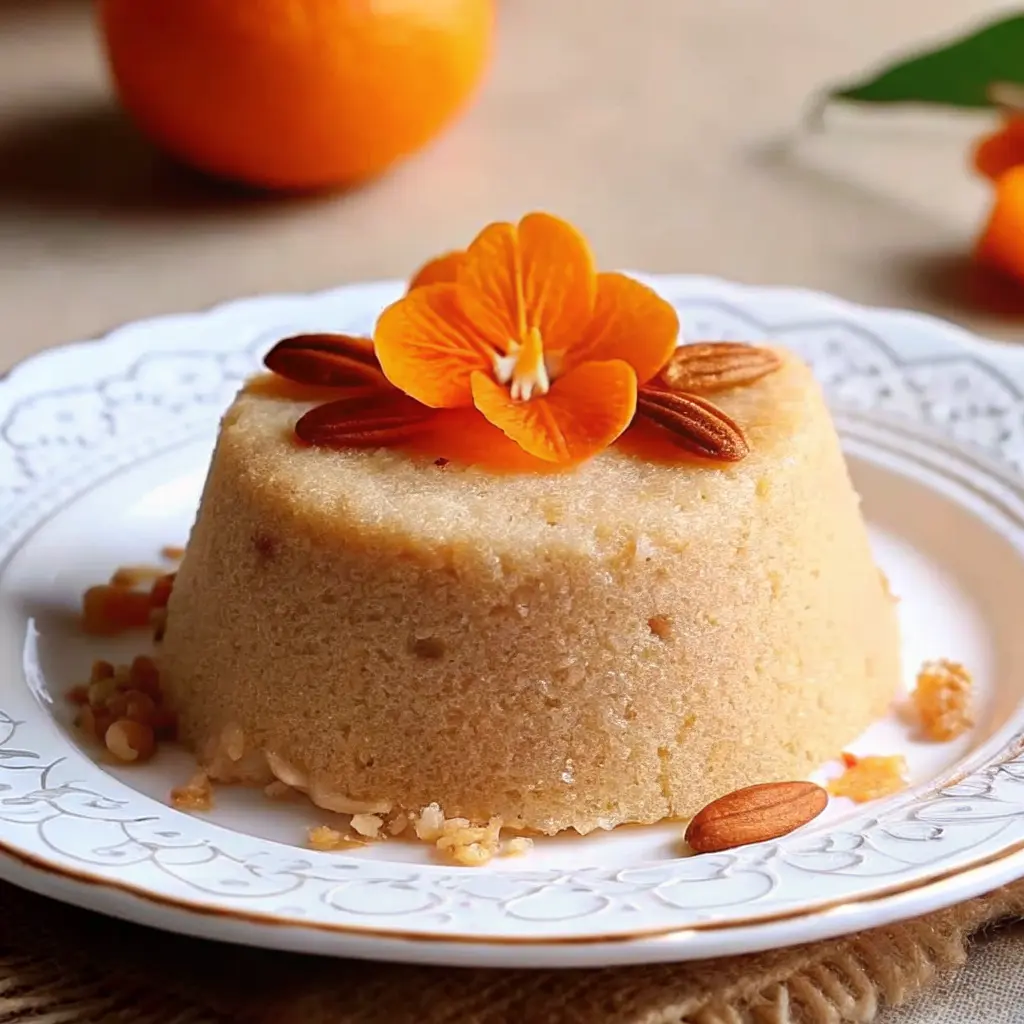
What is Helva?
Helva (Sweet Semolina Dessert) is a traditional sweet found across many regions, but the version we’re focusing on here is the beloved Sweet Semolina Dessert—often known as İrmik helvası in Turkish kitchens and closely related to Greek-style semolina halva.
What it tastes and feels like
Think:
- Toasty and buttery (almost like browned butter shortbread aroma)
- Soft, fluffy, and spoonable when warm
- Tender and sliceable after resting
- Perfectly sweet with room for spices, citrus, and nuts
Why do people love it
- Pantry-friendly ingredients
- One pan, stovetop method
- Easy to customize (milk, water, nuts, spices, citrus)
- A “special occasion” feel with everyday effort
Helva vs. sesame/tahini halva: not the same thing
If you’ve ever seen firm, sliceable sesame “halva” at markets, that’s a different branch of the family. This article is about semolina helva—a cooked, toasted semolina dessert finished with syrup.
Quick distinction:
- Sesame/tahini halva: dense, fudge-like, usually sliced
- Semolina helva: toasted grain, cooked with syrup, usually spooned or molded
Knowing this helps you avoid mismatched expectations when searching or shopping.
Why this dessert works: the toast + syrup magic
The soul of Helva (Sweet Semolina Dessert) is the contrast between:
- Dry-toasting in fat (building deep, nutty aroma)
- Hydrating with hot syrup (turning toasted grains into a plush, cohesive dessert)
When done right, the result is:
- No raw grain taste
- No soggy puddle
- No gritty dryness
Just a balanced, fragrant helva that feels both rustic and elegant.
Ingredients you need
Below is a classic, flexible ingredient list. Many traditional recipes vary by household—so consider this your reliable baseline with room to adapt.
Core ingredients
- Semolina (fine or medium works best)
- Butter, ghee, or a neutral oil (or a mix)
- Sugar
- Water or milk (or a blend)
- A pinch of salt (small but important for balance)
Flavor boosters (choose your favorites)
- Cinnamon stick or ground cinnamon
- Vanilla
- Citrus zest (orange or lemon)
- Cloves (use lightly)
- Pine nuts, almonds, walnuts, pistachios
- Raisins or currants
Optional finishing touches
- Extra toasted nuts on top
- A dusting of cinnamon
- Orange zest curls
- A neat molded shape (bowl or ramekin)
Choosing the right semolina (fine vs coarse)
Semolina can vary a lot depending on brand and region. Here’s how to choose without stress.
Fine semolina
Best for:
- Smooth, tender texture
- Faster cooking
- Neater molding
Medium semolina
Best for:
- Classic “grainy-but-soft” helva texture
- More pronounced toastiness
Coarse semolina
Can work, but:
- Needs a bit more care with liquid and resting
- Texture will be more distinct (some people love it)
Tip: If your first batch is too coarse for your taste, switch to finer semolina next time—or use a 50/50 blend.
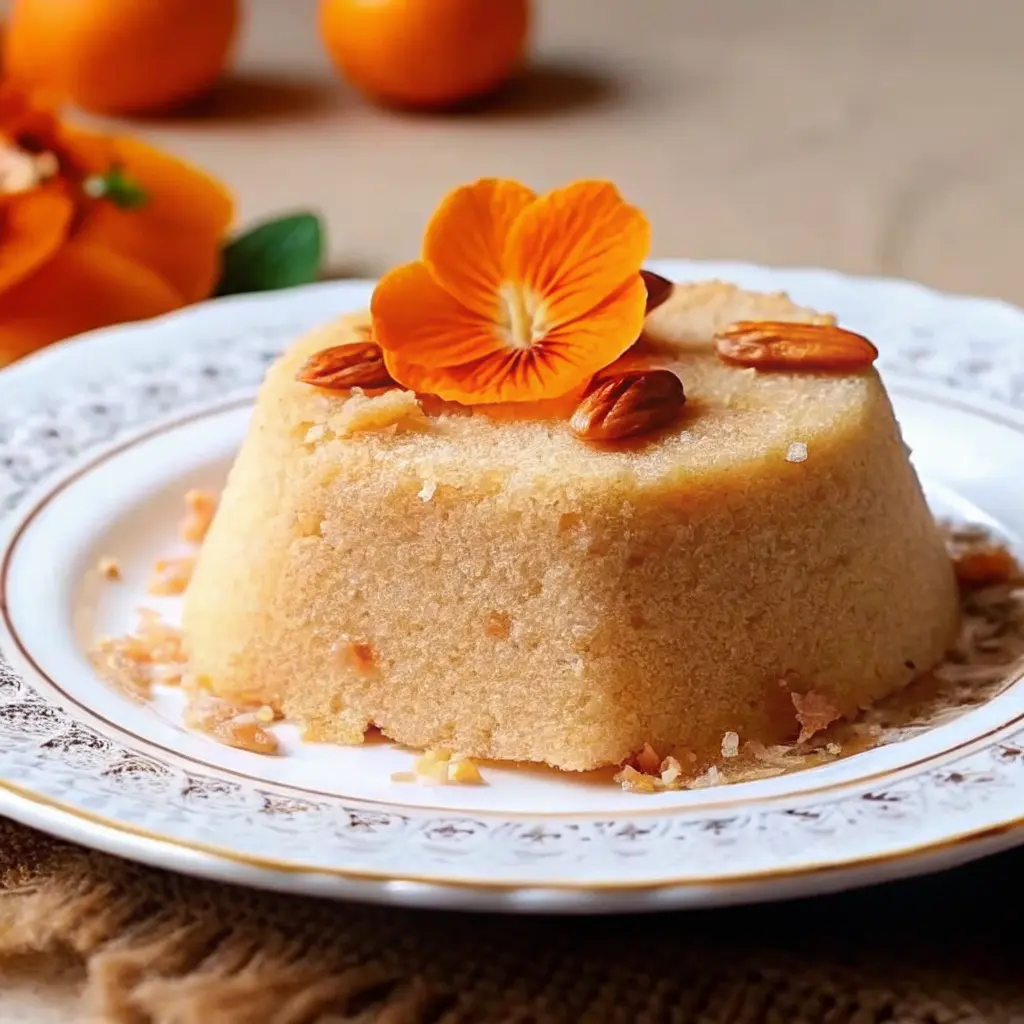
Helva (Sweet Semolina Dessert) — Classic Stovetop Method
Ingredients (serves about 6)
For the syrup
- 2 cups water (or 1 cup water + 1 cup milk)
- 1 ¼ cups sugar
- 1 cinnamon stick (optional)
- Strip of orange peel or lemon peel (optional)
- Pinch of salt
For the helva base
- 1 cup semolina
- ½ cup butter (or half butter, half neutral oil)
- ⅓ cup pine nuts (or chopped almonds/walnuts/pistachios), optional
To finish
- Ground cinnamon, optional
- Extra toasted nuts, optional
Step 1: Make the hot syrup
- In a saucepan, combine water (or water/milk), sugar, cinnamon stick, citrus peel, and a pinch of salt.
- Warm over medium heat, stirring until the sugar dissolves.
- Bring just to a gentle simmer, then lower the heat and keep it hot.
Step 2: Toast the nuts (optional but delicious)
- In a wide pan or deep skillet, melt the butter over medium heat.
- Add pine nuts (or your chosen nuts).
- Stir until lightly golden, then scoop them out into a small bowl.
Tip: Nuts can go from golden to bitter fast—pull them early. They’ll keep browning from residual heat.
Step 3: Toast the semolina until fragrant
- In the same buttery pan, add the semolina.
- Stir continuously over medium to medium-low heat.
- Keep stirring until it turns deep golden and smells nutty and warm.
Visual cues
- Pale → light gold → golden → deeper amber
Stop at golden-to-amber—don’t chase “dark brown,” or you risk bitterness.
Stirring rule: If you walk away, it can scorch. This step earns your attention.
Step 4: Add the syrup safely (the dramatic moment)
- Turn the heat down slightly.
- Carefully add the hot syrup in a steady pour (stand back—there will be bubbling).
- Stir immediately to distribute and prevent clumping.
Safety tips
- Use a deeper pan if possible
- Pour slowly
- Keep your face and hands away from the steam
Step 5: Cook until absorbed
- Stir as the mixture thickens.
- Once it starts pulling away from the pan and looks cohesive, lower the heat.
- Cover and let it cook gently for 3–5 minutes, then turn off the heat.
You’re looking for:
- No visible liquid pooling
- A thick, mound-like texture
- A spoon that leaves a trail in the pan
Step 6: Rest, fluff, and shape
- Let the helva rest, covered, for 10 minutes.
- Fluff gently with a fork or spoon.
- Stir in the toasted nuts you reserved (or sprinkle on top).
To mold it красиво
- Press warm helva into small bowls/ramekins
- Let sit 2–3 minutes
- Invert onto plates for a neat dome
Serving ideas
You can serve helva humble or dressed up—it always feels special.
Serve it warm (most cozy)
Warm helva is:
- Softer
- More aromatic
- Perfect for spooning into bowls
Top with:
- A dusting of cinnamon
- Extra toasted nuts
- Citrus zest
Serve it at room temperature (neat slices)
After resting longer, helva firms slightly and can be:
- Molded cleanly
- Sliced into wedges
- Served on a platter for guests
Fun presentation ideas
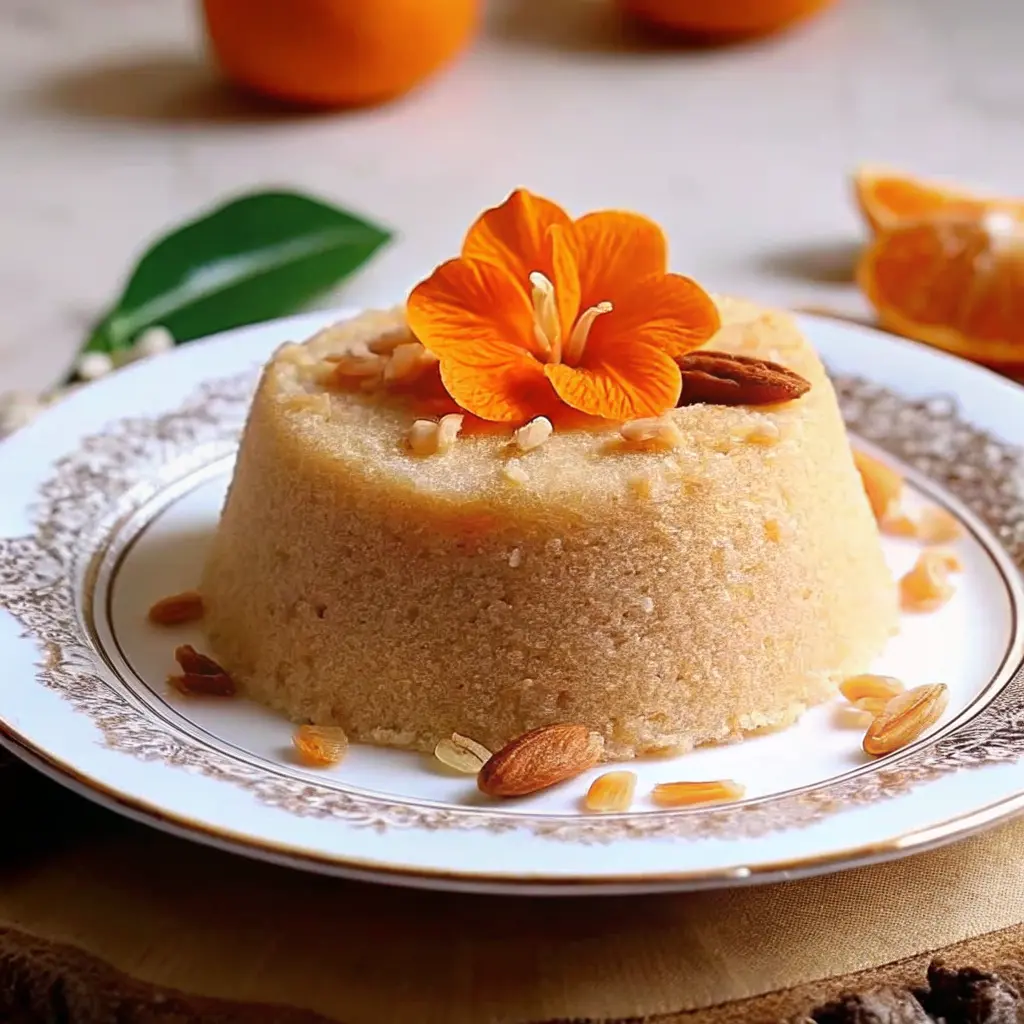
- Press into a small bowl, invert onto a plate (classic dome)
- Use a teacup for a tall, elegant shape
- Pack into a ring mold for a “restaurant” look
- Sprinkle nuts in a crescent around the base
Storage & make-ahead tips
Helva (Sweet Semolina Dessert) is friendly for planning.
How to store
- Cool to room temperature
- Store in an airtight container
- Please keep away from strong fridge odors (it absorbs aromas)
How to rewarm
If you like it warm:
- Reheat gently in a small pan with a splash of water or milk
- Or microwave in short bursts, covered, stirring between rounds
Make-ahead sweet spot
- Best texture: same day or next day
- Still enjoyable after that—especially if rewarmed gently
Troubleshooting & pro tips
If your first batch isn’t perfect, you’re still doing great—helva is forgiving once you know the common traps.
Problem: “It tastes burnt.”
Likely cause:
- The heat is too high during toasting
- Not stirring constantly
- The toast went too dark
Fix for next time:
- Lower heat
- Use a wider pan
- Stop at golden-to-amber (not brown)
Problem: “It’s dry and crumbly.”
Likely cause:
- Too much toasting (moisture lost)
- Not enough liquid
- Cooked too long after adding syrup
Fix:
- Next time, slightly increase the liquid
- Rest longer with the lid on
- Warm and stir in a small splash of hot liquid if needed
Problem: “It’s wet or loose.”
Likely cause:
- Didn’t cook long enough after adding syrup
- Syrup wasn’t hot enough
- Rest time skipped
Fix:
- Cover and let it sit longer
- Return to low heat for 1–2 minutes, stirring gently, then rest
Problem: “I got lumps.”
Likely cause:
- Syrup was added too fast
- Not stirring immediately
Fix:
- Pour slowly in a steady stream
- Stir constantly while pouring
- Keep the syrup hot
Pro tips that change everything
- Hot syrup + toasted semolina = smooth absorption
- Medium-low heat protects the flavor
- Resting time is not optional if you want that perfect texture
- A pinch of salt makes sweetness taste cleaner and richer
FAQs
1) What is Helva (Sweet Semolina Dessert) made of?
Classic helva is made with:
- Semolina
- Butter or oil
- Sugar
- Water and/or milk
Plus optional spices and nuts.
2) Is helva the same as sesame/tahini halva?
Not exactly. The sesame/tahini type is usually dense and sliceable, while semolina helva is cooked from toasted semolina and syrup and is typically spooned or molded.
3) Should I use fine or coarse semolina for helva?
Both can work:
- Fine: smoother, more delicate
- Medium: classic texture
- Coarse: more distinct grain, needs careful resting
If you’re making it the first time, fine or medium is the easiest win.
4) Can I make semolina helva with milk instead of water?
Yes. Many cooks use:
- All milk, or
- A 50/50 mix of milk and water
Just keep the sweet liquid hot and pour carefully.
5) Why did my helva turn out dry or sandy?
Most often it’s:
- Toasted too long
- Not enough liquid
- Not enough resting time
Next time, stop toasting at golden, ensure enough syrup, and let it rest covered.
Conclusion
Helva (Sweet Semolina Dessert) is proof that a few humble ingredients can become something truly memorable. Toast the semolina until fragrant, add hot syrup with care, let it rest, then enjoy a dessert that feels both traditional and timeless.
Print
Helva (Sweet Semolina Dessert): Easy, Buttery Semolina Helva Recipe
- Total Time: PT20M
- Yield: 4 servings 1x
- Diet: Vegetarian
Description
Helva is a classic sweet made from toasted semolina slowly cooked with butter and sweetened syrup until rich, fragrant, and spoon-soft. Popular across the Middle East, Turkey, Greece, and surrounding regions, this comforting dessert is known for its nutty aroma, warm texture, and simple ingredients.
Ingredients
For the Helva
- 1 cup semolina
- ½ cup unsalted butter
- ½ cup granulated sugar
- 1 ¼ cups water or milk
- ½ tsp vanilla extract (optional)
Optional Add-Ins
- ¼ cup pine nuts, almonds, or walnuts
- ½ tsp ground cinnamon
- ½ tsp orange zest
For Garnish
- Chopped nuts
- Cinnamon
- Powdered sugar (optional)
Instructions
1. Prepare the Syrup
- In a saucepan, combine water (or milk) and sugar.
- Bring to a gentle simmer until sugar dissolves.
- Keep warm on low heat.
2. Toast the Semolina
- In a heavy pan, melt butter over medium heat.
- Add semolina and stir constantly.
- Cook 8–10 minutes until golden brown and nutty in aroma.
- Stir in nuts if using.
3. Combine
- Carefully pour warm syrup into the toasted semolina (it will bubble).
- Stir continuously until the mixture thickens and pulls away from the pan.
- Reduce the heat to low and cook 2–3 minutes more.
4. Rest
- Remove from heat, cover, and let rest 10 minutes to set.
5. Serve
- Spoon into bowls or mold into shapes.
- Garnish with nuts or cinnamon and serve warm or at room temperature.
Notes
- Stir constantly to prevent burning while toasting semolina.
- Milk creates a creamier helva; water gives a lighter texture.
- Pine nuts are traditional, but any nut works well.
- Prep Time: PT05M
- Cook Time: PT15M
- Category: Desserts
- Method: Stovetop
- Cuisine: Turkish
Nutrition
- Serving Size: ½ cup
- Calories: 340 kcal
- Sugar: 18g
- Sodium: 60mg
- Fat: 18g
- Saturated Fat: 10g
- Unsaturated Fat: 8g
- Trans Fat: 0g
- Carbohydrates: 40g
- Fiber: 1g
- Protein: 5g
- Cholesterol: 40mg