
Introduction
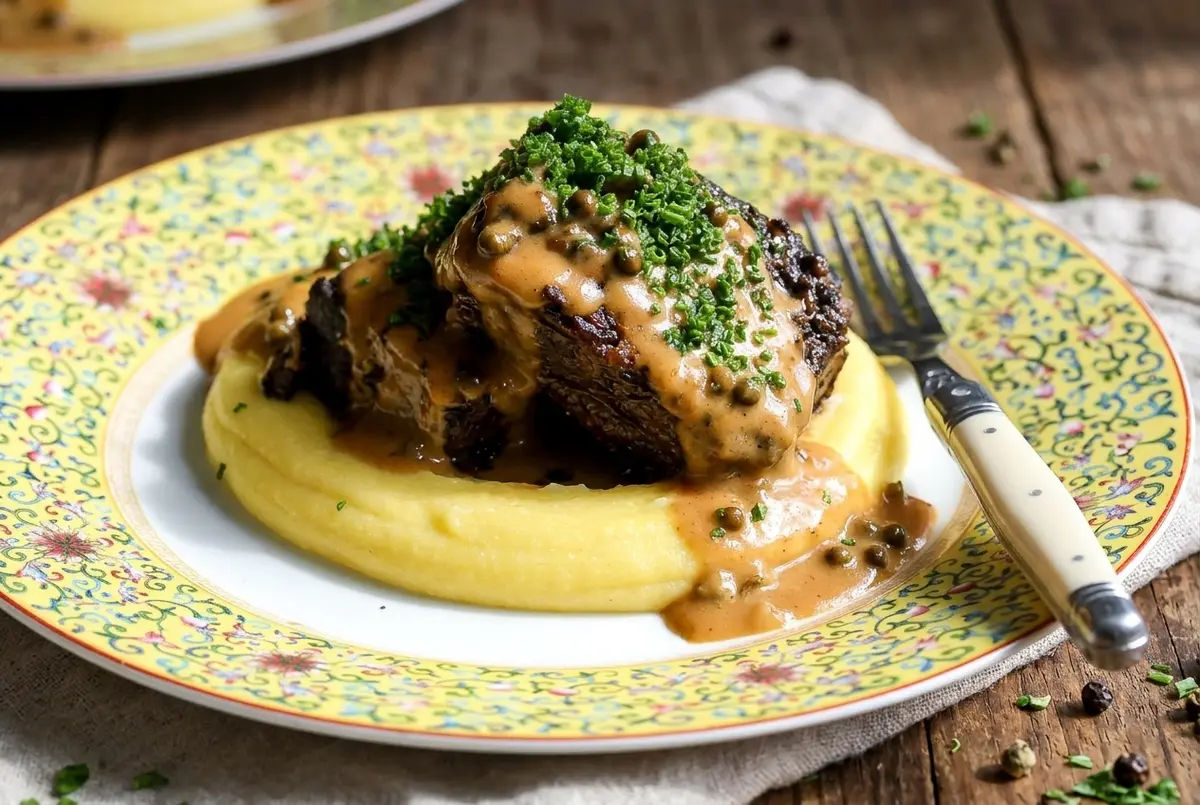
If you’re looking for an impressive dinner that combines tender beef, bold seasoning, and a luxurious homemade sauce, this Peppercorn-Braised Short Ribs Recipe deserves a place on your menu. Slowly cooked until the meat becomes incredibly tender, these beef short ribs are surrounded by a rich red wine braising liquid infused with garlic, fresh herbs, aromatic vegetables, and freshly cracked peppercorns. The result is a comforting yet elegant dish that tastes like something served in a beautiful restaurant.
What Are Peppercorn-Braised Short Ribs Recipe?
Peppercorn-braised short ribs are a slow-cooked beef dish made by browning short ribs, preparing an aromatic cooking liquid, and gently braising the meat until it becomes fork-tender. The distinctive feature is the generous use of peppercorns, which bring warmth, fragrance, and a pleasant peppery finish to the beef.
Beef short ribs come from the rib section of the animal. They contain layers of meat, connective tissue, and marbling that make them especially suitable for long cooking. Unlike quick-cooking steaks, short ribs benefit from several hours of gentle heat. As they cook, the meat softens and absorbs the flavors of the surrounding liquid.
This recipe combines two complementary pepper flavors:
- Black peppercorns: Freshly cracked black peppercorns create a bold, slightly sharp flavor that seasons the beef and braising liquid.
- Green peppercorns: These have a milder, fresher character and are especially delicious in creamy sauces.
Red wine, beef stock, garlic, onions, carrots, celery, rosemary, and thyme create the braising base. Once the beef is tender, the cooking liquid is strained and transformed into a silky sauce with butter, Dijon mustard, green peppercorns, and cream.
The final dish combines deeply flavored beef with a smooth sauce that coats every bite.
Why You’ll Love This Peppercorn-Braised Short Ribs Recipe
There are plenty of reasons to make this recipe, especially when you want a memorable homemade dinner without complicated cooking techniques.
1. Incredibly Tender Beef
The short ribs cook slowly in a flavorful liquid until the meat becomes soft enough to pull apart with a fork. The long cooking process allows the beef to develop a wonderful texture.
2. Bold Peppercorn Flavor
Freshly cracked black peppercorns give the beef a distinctive taste, while green peppercorns add a fresh, aromatic note to the finishing sauce.
3. Rich Homemade Sauce
Instead of using a separate packaged sauce, you’ll create a flavorful base from the beef drippings, red wine, vegetables, and herbs. A little cream and butter transform it into a smooth, elegant finishing sauce.
4. Perfect for Special Occasions
These short ribs look beautiful when arranged over mashed potatoes or polenta. They’re an excellent choice for dinner parties, holiday meals, anniversaries, and relaxed weekend gatherings.
5. Easy to Prepare Ahead
The beef can be braised a day before serving. In fact, preparing it ahead makes the final cooking process easier because you only need to reheat the ribs and finish the sauce.
6. Wonderful With Different Side Dishes
Pair the beef with creamy mashed potatoes, roasted vegetables, buttered noodles, or polenta. The flavorful sauce makes almost every side dish taste even better.
Ingredients for Peppercorn-Braised Short Ribs Recipe
The ingredients in this recipe work together to create layers of flavor. Each component has a particular purpose, from browning the beef to building the aromatic braising liquid and preparing the creamy peppercorn sauce.
The following quantities make approximately 4 to 6 servings.
Main Ingredients
- 4 to 4½ pounds bone-in beef short ribs: Choose meaty pieces with good marbling. Bone-in ribs are excellent for this slow-braised preparation.
- 2 tablespoons olive oil: Used to brown the beef and sauté the vegetables.
- 2 teaspoons kosher salt: Seasons the short ribs and brings out their savory character.
- 2 teaspoons freshly cracked black peppercorns: Creates the signature peppery flavor.
- 1 large yellow onion: Adds sweetness and depth to the braising liquid.
- 2 medium carrots: Contribute gentle sweetness and aromatic flavor.
- 2 celery stalks: Build the classic aromatic vegetable base.
- 5 garlic cloves: Add a rich, savory aroma.
- 2 tablespoons tomato paste: Gives the cooking liquid a deeper color and concentrated flavor.
Ingredients for the Braising Liquid
- 2 cups dry red wine: Adds complexity and balances the richness of the beef.
- 3 cups beef stock: Forms the main liquid for braising.
- 2 sprigs fresh rosemary: Add an earthy herbal fragrance.
- 4 sprigs fresh thyme: Complement the beef and peppercorns.
- 2 bay leaves: Bring a subtle aromatic note.
- 1 tablespoon Worcestershire sauce: Adds a savory, rounded flavor.
- 1 teaspoon Dijon mustard: Provides a gentle tang.
- 1 tablespoon crushed black peppercorns: Strengthens the peppercorn character of the braising liquid.
Ingredients for the Creamy Green Peppercorn Sauce
- ¾ cup heavy cream: Creates a smooth, velvety sauce.
- 2 tablespoons unsalted butter: Adds richness and a glossy finish.
- 1 to 2 tablespoons green peppercorns: Provide the distinctive finishing flavor.
- 1 teaspoon Dijon mustard: Brings balance to the cream.
- ½ to 1 cup reserved braising liquid: Adds concentrated beef and herb flavor.
- 1 tablespoon chopped fresh chives: Optional garnish.
- Freshly ground black pepper: For final seasoning.
Ingredient Substitutions
You can adapt this recipe depending on the ingredients available in your kitchen.
- Replace red wine with additional beef stock and a small splash of balsamic vinegar.
- Use shallots instead of yellow onion for a slightly sweeter flavor.
- Substitute crème fraîche for part of the heavy cream.
- Use boneless beef short ribs if you prefer easier portioning.
- Replace fresh rosemary and thyme with dried herbs if necessary. Use smaller quantities because dried herbs have a more concentrated flavor.
- If green peppercorns are unavailable, use a little additional freshly cracked black pepper. The final sauce will have a stronger and sharper flavor.
Kitchen Equipment You’ll Need
Having the right equipment makes the preparation easier and helps produce consistent results.
Dutch Oven
A heavy Dutch oven is the most useful tool for this recipe. Its thick construction distributes heat evenly, while its tight-fitting lid helps retain moisture during the long cooking process.
Sharp Chef’s Knife
Use a sharp knife to cut the onion, carrots, celery, and garlic into evenly sized pieces.
Cutting Board
Prepare the vegetables and herbs on a stable cutting board. Keeping the ingredients organized makes the cooking process smoother.
Kitchen Tongs
Tongs make it easier to turn the short ribs while searing them. They also help you remove the cooked beef without breaking the tender meat apart.
Measuring Cups and Spoons
Accurate measurements help maintain the balance between the wine, beef stock, cream, and peppercorns.
Fine-Mesh Strainer
A strainer is useful for removing the cooked vegetables, herbs, and peppercorn fragments from the braising liquid before preparing the finishing sauce.
Small Saucepan
Use a separate saucepan to prepare the creamy green peppercorn sauce.
Step-by-Step Instructions: How to Make Peppercorn-Braised Short Ribs Recipe
Follow these detailed steps to prepare tender beef short ribs with a rich red wine braising liquid and creamy green peppercorn sauce.
Step 1: Prepare and Season the Short Ribs
Begin by preheating your oven to 300°F (150°C).
Remove the short ribs from their packaging and pat each piece thoroughly dry using paper towels.
Drying the surface is important because excess moisture can prevent the beef from developing a deep golden-brown crust.
Arrange the ribs on a tray and season all sides generously with kosher salt and freshly cracked black pepper.
Let them rest at room temperature briefly while you prepare the vegetables.
For an even stronger peppercorn flavor, gently press some of the cracked peppercorns into the surface of the beef.
Step 2: Sear the Short Ribs Until Golden Brown
Place your Dutch oven over medium-high heat.
Add the olive oil and allow it to become hot.
Working in batches, carefully place the short ribs into the pot.
Sear each side for approximately 3 to 5 minutes, turning the pieces with kitchen tongs.
The goal is to develop a rich, golden-brown crust on every side.
Avoid overcrowding the pot. If too many ribs are added at once, they may release moisture and begin steaming instead of browning.
Once all the ribs are browned, transfer them to a large plate.
Do not clean the Dutch oven. The browned bits remaining on the bottom will become an important part of the braising sauce.
Step 3: Cook the Aromatic Vegetables
Reduce the heat to medium.
Add the chopped onion, carrots, and celery to the same Dutch oven.
Cook for approximately 6 to 8 minutes, stirring occasionally.
The vegetables should become softened and lightly golden.
Add the minced garlic and cook for another 30 to 60 seconds.
Next, stir in the tomato paste.
Allow it to cook for approximately 1 to 2 minutes, stirring continuously.
This step helps develop a deeper, more concentrated flavor.
Scrape the bottom of the pot occasionally to loosen any browned pieces that may have formed during searing.
Step 4: Deglaze the Pot With Red Wine
Pour the red wine into the Dutch oven.
Use a wooden spoon to scrape the bottom of the pot, loosening the caramelized bits left behind by the beef and vegetables.
Allow the wine to simmer for approximately 5 to 7 minutes.
It should reduce slightly and develop a more concentrated aroma.
Choose a dry red wine such as Cabernet Sauvignon, Merlot, or Syrah.
You don’t need an expensive bottle for cooking. A pleasant, reasonably priced wine is perfectly suitable.
Step 5: Prepare the Peppercorn Braising Liquid
Add the beef stock to the pot.
Stir in:
- Worcestershire sauce.
- Dijon mustard.
- Crushed black peppercorns.
- Rosemary.
- Thyme.
- Bay leaves.
Stir everything together until the tomato paste and mustard are evenly distributed.
Bring the liquid to a gentle simmer.
Taste a small amount of the liquid and adjust the seasoning if necessary.
Remember that the sauce will become more concentrated as it cooks, so avoid adding too much salt at this stage.
Step 6: Braise the Short Ribs Slowly
Carefully return the browned short ribs to the Dutch oven.
Arrange them in a single layer whenever possible.
The liquid should reach approximately halfway to two-thirds up the sides of the meat. You don’t need to completely submerge the ribs.
Bring the liquid back to a gentle simmer, then cover the Dutch oven with its lid.
Transfer the pot to the preheated oven.
Allow the beef to braise for approximately 3 to 3½ hours.
Cooking time may vary depending on the thickness of the ribs and the oven.
During cooking, the beef will gradually soften and absorb the flavors of the wine, herbs, garlic, and peppercorns.
Avoid repeatedly lifting the lid because this releases heat and steam.
After approximately 3 hours, check the beef with a fork.
It is ready when the fork slides into the meat easily and the beef is tender enough to separate without much resistance.
If it still feels firm, cover the pot and continue cooking for another 20 to 30 minutes before checking again.
Step 7: Remove the Ribs and Prepare the Sauce Base
Once the short ribs are tender, carefully remove the Dutch oven from the oven.
Transfer the ribs to a warm serving dish using kitchen tongs.
The meat will be delicate, so handle it gently.
Remove the rosemary, thyme stems, and bay leaves from the pot.
Pour the braising liquid through a fine-mesh strainer into a large bowl or measuring jug.
Press the vegetables gently with the back of a spoon to release their remaining liquid, then discard the solids if you prefer a smooth sauce.
Allow the liquid to stand briefly so the fat rises to the surface.
Skim off the excess fat with a spoon.
Transfer the strained liquid to a saucepan and simmer over medium heat until it reduces slightly.
You should have a concentrated, flavorful sauce base.
Step 8: Make the Creamy Green Peppercorn Sauce
Now it’s time to prepare the finishing sauce that makes this recipe distinctive.
Place a small saucepan over medium-low heat.
Add the butter and allow it to melt.
Stir in the green peppercorns and cook for approximately one minute.
Add the Dijon mustard and stir until combined.
Pour in ½ cup of the reserved braising liquid.
Allow it to simmer gently for a few minutes.
Slowly add the heavy cream while stirring continuously.
Keep the heat moderate and avoid allowing the sauce to boil vigorously.
Simmer for approximately 4 to 6 minutes, stirring occasionally, until the sauce becomes smooth and slightly thickened.
If it becomes too thick, add a little more braising liquid.
If it seems too thin, continue simmering gently until it reaches the desired consistency.
Taste and adjust with salt and freshly ground black pepper.
The finished sauce should be creamy, glossy, and full of peppercorn flavor.
Step 9: Finish and Serve the Short Ribs
Return the short ribs to the Dutch oven or place them directly onto a warm serving platter.
Spoon some of the creamy peppercorn sauce over each piece.
Allow the beef to sit in the warm sauce for a few minutes before serving.
Finish with chopped fresh chives or parsley.
For an elegant presentation:
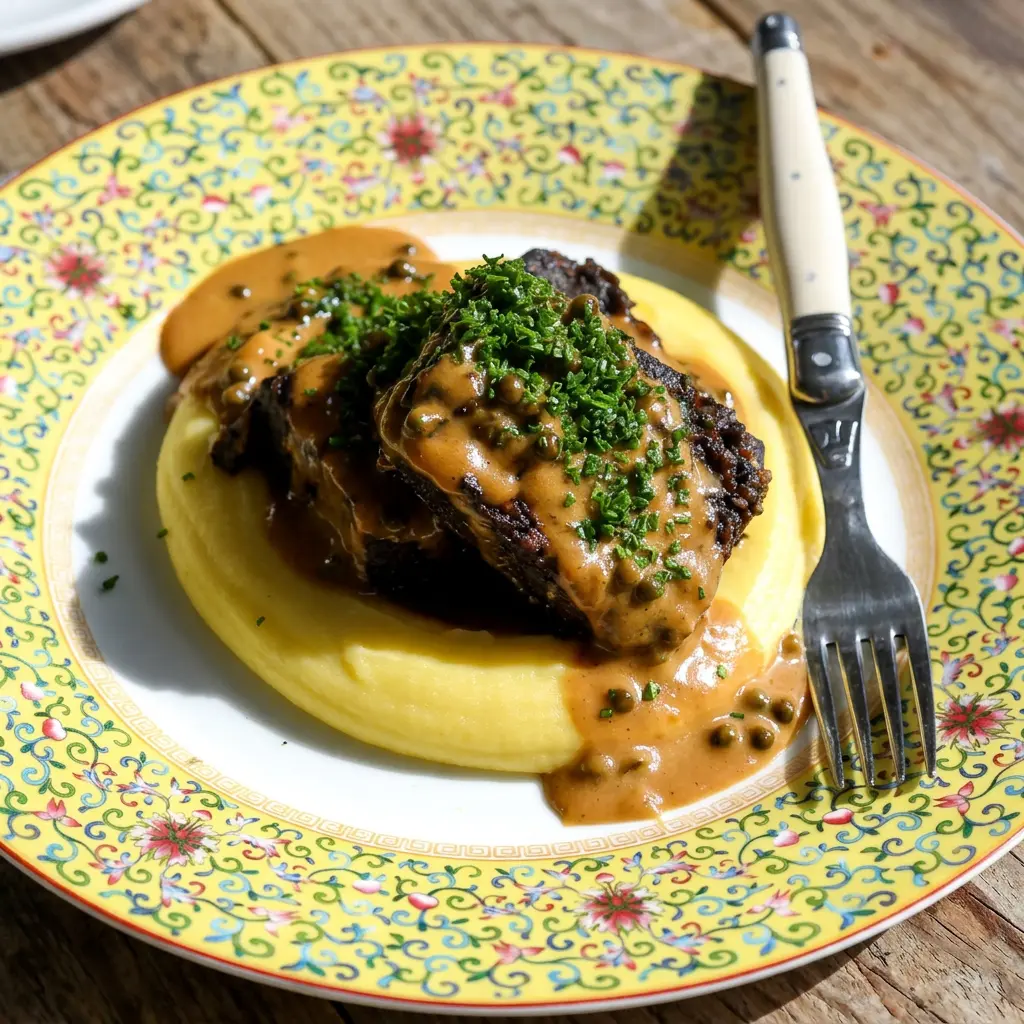
- Arrange mashed potatoes or polenta in the center of each plate.
- Place one or two short ribs on top.
- Spoon additional peppercorn sauce over the beef.
- Add a few whole green peppercorns for decoration.
- Finish with fresh herbs and a little cracked black pepper.
Serve immediately while the beef and sauce are warm.
Common Mistakes to Avoid When Braising Short Ribs
Even a straightforward braised beef recipe can produce disappointing results if a few important steps are overlooked.
Here are the most common mistakes and how to avoid them.
1. Skipping the Searing Process
Adding raw short ribs directly to the braising liquid means missing an important opportunity to develop deep flavor.
Always brown the beef before adding the vegetables and liquids.
2. Overcrowding the Dutch Oven
When too many pieces of beef are placed in the pot at once, moisture collects around the meat.
This makes it harder to develop an even golden-brown crust.
Sear the short ribs in batches instead.
3. Using Too Much Braising Liquid
Short ribs don’t need to be completely submerged.
The liquid should generally reach halfway to two-thirds up the sides of the meat.
This allows the covered cooking environment to do its work while the beef remains partially above the liquid.
4. Cooking at Excessively High Temperatures
A rolling boil is not ideal for this preparation.
Excessive heat can make the meat tighten and may cause the cooking liquid to reduce too quickly.
Keep the oven temperature moderate and aim for a gentle simmer.
Delicious Variations of Peppercorn-Braised Short Ribs Recipe
One of the advantages of this recipe is its flexibility. You can change the braising liquid, herbs, peppercorn blend, or finishing sauce to create different versions.
1. Creamy Green Peppercorn Short Ribs
If you love classic peppercorn sauce, make the finishing sauce the star of the recipe.
Increase the green peppercorns slightly and use a little more heavy cream.
Add Dijon mustard and a small amount of butter for a silky consistency.
This version is especially delicious when served over creamy mashed potatoes.
2. Garlic and Herb Braised Short Ribs
For a more aromatic preparation, increase the amount of garlic and add extra fresh rosemary and thyme.
You can also include a few shallots in the braising base.
The result is a beautifully fragrant sauce with a balanced herbal character.
3. Boneless Peppercorn-Braised Short Ribs
Boneless short ribs are convenient when you want easy-to-serve portions.
Follow the same preparation method:
- Season the beef.
- Brown it in olive oil.
- Prepare the aromatic vegetables.
- Add the wine and beef stock.
- Braise until tender.
Because boneless pieces can vary considerably in size, begin checking them earlier than you would with large bone-in ribs.
What to Serve With Peppercorn-Braised Short Ribs Recipe
The best side dishes complement the rich beef and provide something delicious to enjoy with the creamy peppercorn sauce.
1. Creamy Mashed Potatoes
Mashed potatoes are one of the most popular accompaniments for braised short ribs.
Their smooth texture makes them perfect for soaking up the peppercorn sauce.
For an especially flavorful version, prepare them with:
- Butter.
- Warm milk or cream.
- Salt and black pepper.
- A little roasted garlic.
Spoon the short ribs directly over the mashed potatoes and add plenty of sauce.
2. Creamy Parmesan Polenta
Polenta is another excellent option.
Its soft, creamy texture pairs beautifully with slow-cooked beef.
Prepare the polenta with butter and grated Parmesan, then arrange the short ribs on top.
Finish with a generous spoonful of green peppercorn sauce.
3. Roasted Carrots
Roasted carrots add a naturally sweet flavor that contrasts nicely with the peppery beef.
Cut the carrots into similar-sized pieces, toss them with olive oil, salt, and fresh thyme, and roast until tender and lightly caramelized.
4. Garlic Green Beans
Green beans provide a fresh, simple accompaniment.
Sauté them with butter, minced garlic, and a little black pepper.
Keep them slightly crisp so they contrast with the tender texture of the beef.
Frequently Asked Questions
1. What Is the Best Cut of Beef for Braised Short Ribs?
Bone-in beef short ribs are an excellent choice because they have generous marbling and a rich beef flavor. Boneless short ribs also work well and are convenient when you want easier portions.
Choose meaty pieces with relatively consistent thickness so they cook evenly.
2. How Long Does It Take to Braise Beef Short Ribs?
At 300°F (150°C), bone-in short ribs generally take approximately 3 to 4 hours in the oven.
The exact time depends on their thickness and size.
The best way to check is to insert a fork into the meat. It should slide in easily when the ribs are ready.
3. What Temperature Should Short Ribs Be Braised At?
A temperature between 275°F and 325°F (135°C and 163°C) works well for oven-braised short ribs.
For this recipe, 300°F (150°C) is recommended.
Keep the liquid at a gentle simmer rather than allowing it to boil rapidly.
4. Why Are My Braised Short Ribs Still Tough?
The most common reason is insufficient cooking time.
Short ribs need several hours of gentle cooking to become tender.
If the meat still feels firm, return it to the oven and continue cooking for another 20 to 30 minutes.
Check again with a fork before removing it from the pot.
Conclusion
This Peppercorn-Braised Short Ribs Recipe brings together everything you want in a memorable homemade dinner: tender slow-cooked beef, deeply flavored red wine sauce, aromatic herbs, and a silky green peppercorn cream finish.