
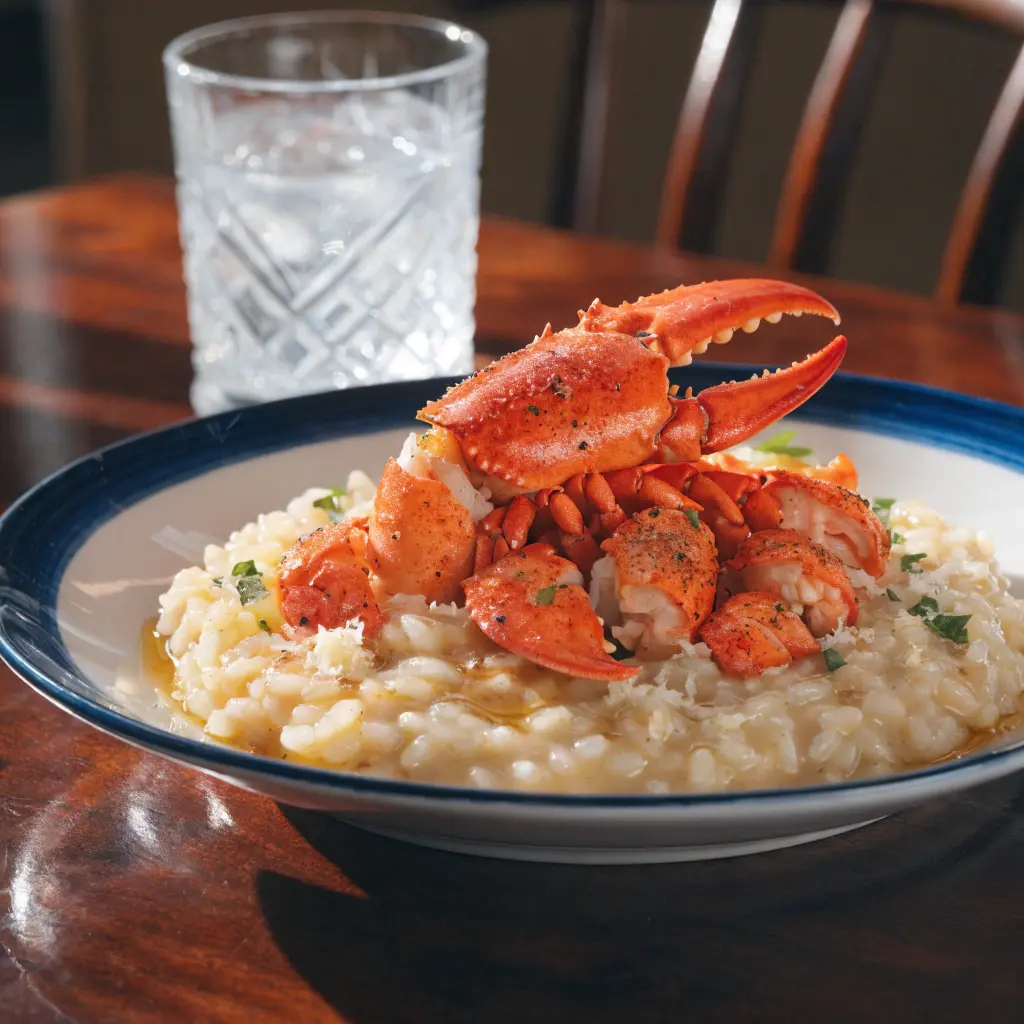
Creamy Lobster Risotto Recipe is the perfect way to bring a rich, restaurant-quality dish into your home kitchen. This luxurious Italian classic combines tender lobster meat with creamy Arborio rice, creating a silky, flavorful dish that feels both elegant and comforting.
What Is Lobster Risotto?
At its core, lobster risotto is a traditional Italian rice dish elevated with premium seafood. Unlike standard rice dishes, risotto is cooked slowly, allowing the rice to release starch and create its own creamy sauce.
What Makes Risotto Unique?
- Uses Arborio rice, known for its high starch content
- Cooked gradually with warm stock
- Stirred frequently to develop texture
- Finished with butter and cheese for a glossy consistency
If you’re unfamiliar with the rice used, this guide on what is Arborio rice explains why it’s essential for authentic risotto.
Why Lobster Works So Well
Lobster adds a naturally sweet, delicate flavor that pairs beautifully with:
- Butter
- Garlic
- Shallots
- White wine
- Parmesan cheese
Ingredients for Creamy Lobster Risotto Recipe
To achieve a rich, creamy lobster risotto, using high-quality ingredients is essential. Each element contributes to the final texture and depth of flavor.
Main Ingredients
- 1 ½ cups Arborio rice
- 2 cups cooked lobster meat (tails and claws, chopped)
- 4 cups lobster stock (or high-quality seafood stock)
- ½ cup dry white wine
- 3 tablespoons unsalted butter
- ½ cup grated Parmesan cheese
- 2 shallots, finely chopped
- 2 cloves garlic, minced
- 2 tablespoons olive oil
Optional Flavor Enhancers
- 1 teaspoon lemon zest
- 1–2 tablespoons fresh lemon juice
- 2 tablespoons chopped fresh parsley or chives
- Salt and freshly ground black pepper (to taste)
Ingredient Substitutions
- Shrimp can replace lobster
- Vegetable stock can be used if needed
- Pecorino Romano instead of Parmesan
Equipment You’ll Need
You don’t need professional tools, but the right equipment helps ensure consistency:
- Heavy-bottom pan or Dutch oven
- Medium saucepan (for stock)
- Ladle
- Wooden spoon or silicone spatula
How to Prepare Lobster for Risotto
Preparing lobster properly is essential for building flavor.
Cooking Methods
- Boiling: Quick and simple
- Steaming: Retains more flavor
- Butter-poaching: Adds richness
Extracting Maximum Flavor
- Reserve shells for stock
- Cut meat into bite-sized chunks
- Avoid overcooking (it becomes rubbery quickly)
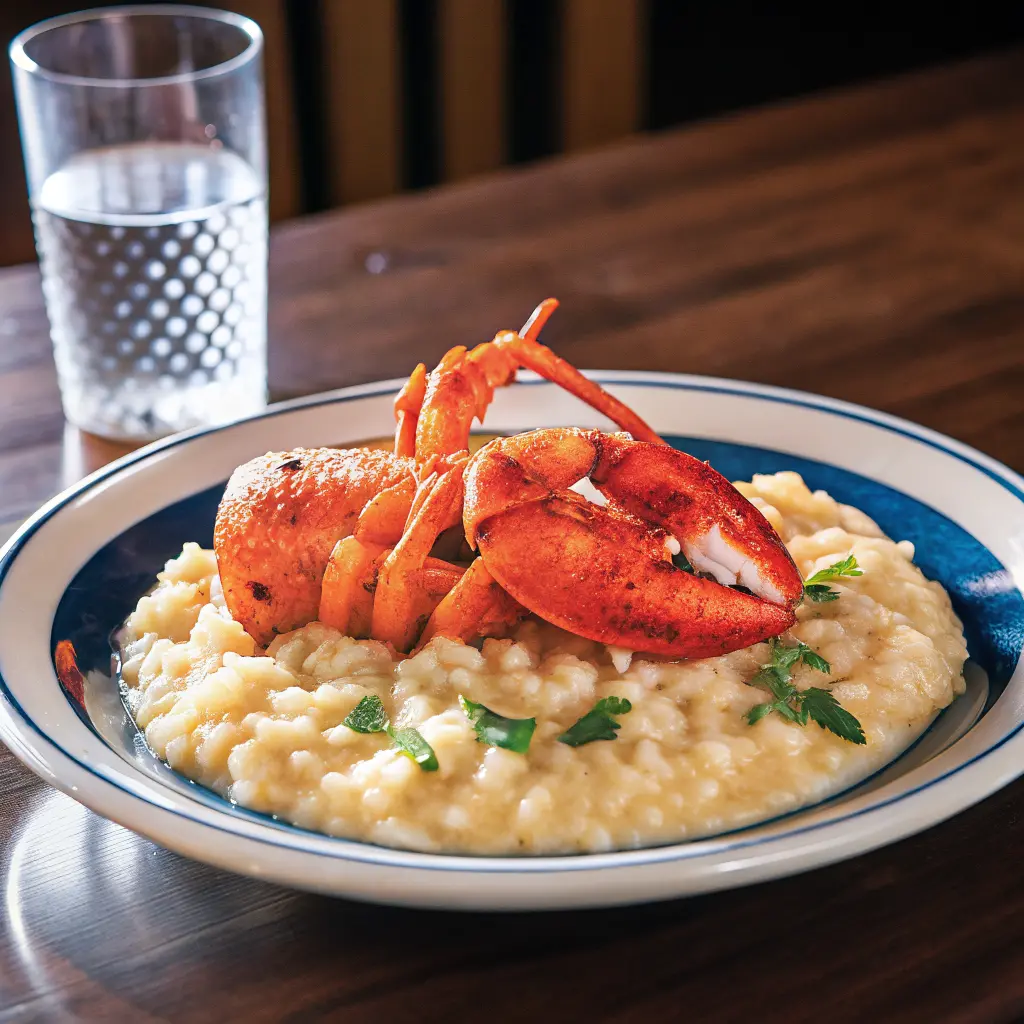
Step-by-Step: How to Make Creamy Lobster Risotto
This is where technique matters most. Follow these steps carefully for the best results.
Step 1: Prepare the Stock
- Heat your lobster stock in a separate saucepan
- Keep it warm throughout cooking
Step 2: Sauté Aromatics
- Melt butter in your pan
- Add finely chopped shallots
- Cook until soft, not browned
- Add garlic and cook briefly
Step 3: Toast the Rice
- Add Arborio rice
- Stir for 1–2 minutes
- Ensure grains are coated and slightly translucent
Step 4: Deglaze with Wine
- Pour in white wine
- Stir until mostly absorbed
- This adds acidity and depth
Step 5: Gradually Add Stock
This is the most important step.
- Add one ladle of warm stock at a time
- Stir gently but consistently
- Wait until liquid is absorbed before adding more
Key Technique Tips
- Keep heat at medium-low
- Don’t rush the process
- Maintain a slight simmer
Step 6: Add Lobster
- Fold in cooked lobster near the end
- This prevents overcooking
Step 7: Finish with Butter and Cheese
- Add butter and grated Parmesan
- Stir vigorously to emulsify
This step—called mantecatura—is what creates the signature creamy texture.
Step 8: Final Touches
- Add lemon zest or juice
- Adjust seasoning
- Garnish with herbs
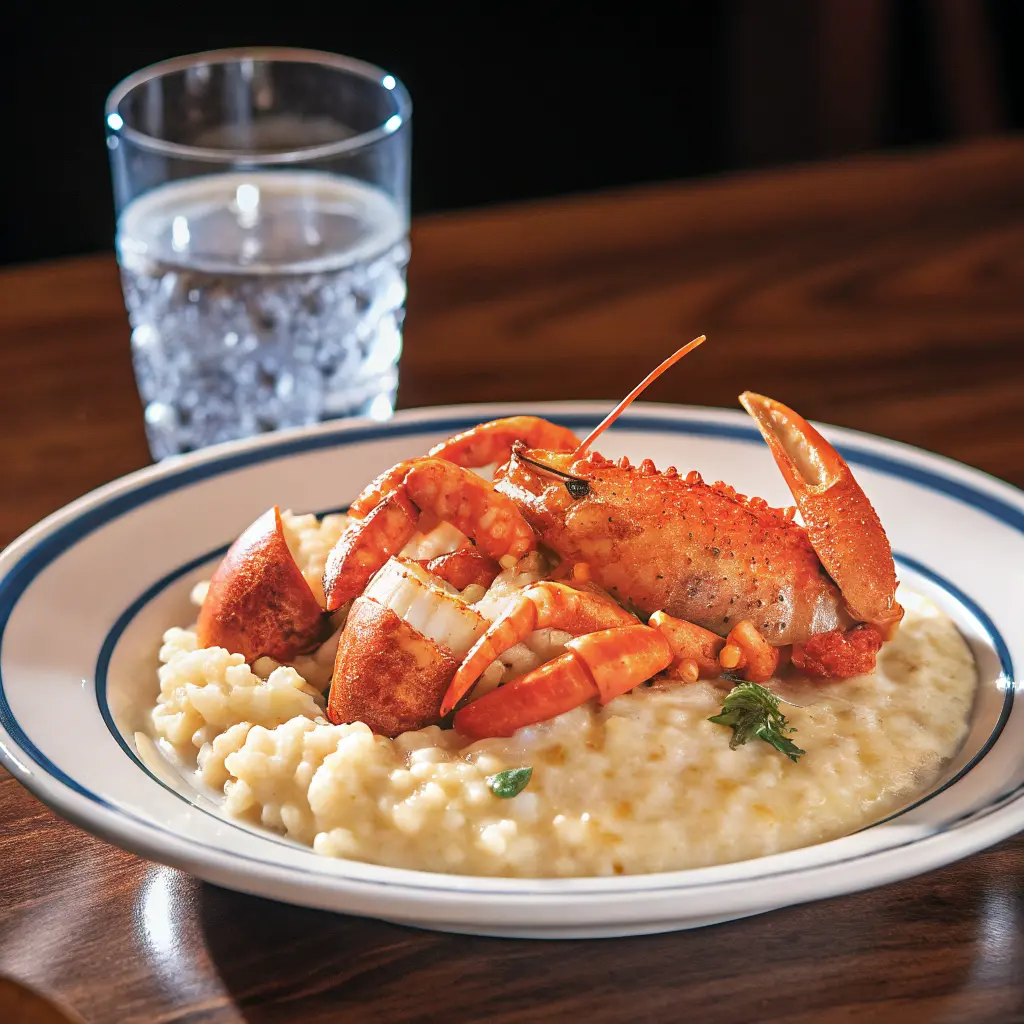
Pro Tips for Perfect Creamy Risotto
Mastering risotto comes down to technique.
Key Tips
- Never rinse the rice (you’ll lose starch)
- Always use warm stock
- Stir regularly, but not aggressively
- Cook until al dente
- Finish with butter off the heat
Common Mistakes to Avoid
Even experienced cooks can make errors with risotto.
Avoid These Pitfalls
- Adding all the liquid at once
- Using cold stock
- Overcooking the lobster
- Over-stirring (can make it gluey)
- Skipping the final butter step
Variations of Creamy Lobster Risotto
Once you’ve mastered the base recipe, you can experiment with variations.
Lemon Butter Lobster Risotto
- Bright and fresh
- Emphasizes citrus notes
Garlic Parmesan Version
- Rich and savory
- Heavier cheese presence
Lobster Mushroom Risotto
- Combines earthy and seafood flavors
Tomato Lobster Risotto
- Uses a light tomato base
- Adds acidity and color
Herb-Infused Risotto
- Incorporates basil, thyme, or tarragon
What to Serve with Lobster Risotto
Because lobster risotto is rich, pair it with lighter sides.
Best Pairings
- Simple green salad
- Roasted vegetables
- Lightly toasted bread
How to Store and Reheat Risotto
Risotto is best fresh, but leftovers can still be enjoyed.
Storage Tips
- Store in an airtight container
- Refrigerate for up to 3 days
Reheating Tips
- Add a splash of stock or water
- Reheat gently on the stove
- Stir to restore creaminess
FAQs About Creamy Lobster Risotto
Can I use frozen lobster?
Yes, just thaw it completely and pat dry before use.
What rice is best for risotto?
- Arborio
- Carnaroli
- Vialone Nano
These varieties release the right amount of starch.
Do you need cream in risotto?
No. Traditional risotto gets its creaminess from:
- Starch in the rice
- Butter
- Cheese
Why is my risotto not creamy?
Common reasons:
- Not stirring enough
- Using the wrong rice
- Adding liquid too quickly
Can I make risotto ahead of time?
Partially cook it, then finish with stock and butter before serving.
Final Thoughts: Mastering the Creamy Lobster Risotto Recipe
A well-made creamy lobster risotto is more than just a meal—it’s a demonstration of technique, patience, and attention to detail. While it may seem intimidating at first, the process becomes intuitive once you understand the fundamentals.
Print
Creamy Lobster Risotto Recipe
- Total Time: PT45M
- Yield: 4 servings 1x
Description
Creamy Lobster Risotto is a luxurious Italian-inspired dish featuring tender lobster meat folded into velvety Arborio rice cooked slowly in a flavorful broth.
Ingredients
- 1 ½ cups Arborio rice
- 2 cups cooked lobster meat (tails and claws, chopped)
- 4 cups lobster stock (or high-quality seafood stock)
- ½ cup dry white wine
- 3 tablespoons unsalted butter
- ½ cup grated Parmesan cheese
- 2 shallots, finely chopped
- 2 cloves garlic, minced
- 2 tablespoons olive oil
Flavor Enhancers
- 1 teaspoon lemon zest
- 1–2 tablespoons fresh lemon juice
- 2 tablespoons chopped fresh parsley or chives
- Salt and freshly ground black pepper (to taste)
Instructions
Step 1: Prepare the Stock
- Heat your lobster stock in a separate saucepan
- Keep it warm throughout cooking
Step 2: Sauté Aromatics
- Melt butter in your pan
- Add finely chopped shallots
- Cook until soft, not browned
- Add garlic and cook briefly
Step 3: Toast the Rice
- Add Arborio rice
- Stir for 1–2 minutes
- Ensure grains are coated and slightly translucent
Step 4: Deglaze with Wine
- Pour in white wine
- Stir until mostly absorbed
- This adds acidity and depth
Step 5: Gradually Add Stock
- Add one ladle of warm stock at a time
- Stir gently but consistently
- Wait until liquid is absorbed before adding more
Key Technique Tips
- Keep heat at medium-low
- Don’t rush the process
- Maintain a slight simmer
Step 6: Add Lobster
- Fold in cooked lobster near the end
- This prevents overcooking
Step 7: Finish with Butter and Cheese
- Add butter and grated Parmesan
- Stir vigorously to emulsify
Step 8: Final Touches
- Add lemon zest or juice
- Adjust seasoning
- Garnish with herbs
- Prep Time: PT15M
- Cook Time: PT30M
- Category: Main Dish
- Method: Stovetop
- Cuisine: Italian-Inspired
Nutrition
- Serving Size: 1 bowl
- Calories: 520 kcal
- Sugar: 3 g
- Sodium: 680 mg
- Fat: 22 g
- Saturated Fat: 11 g
- Unsaturated Fat: 9 g
- Trans Fat: 0 g
- Carbohydrates: 45 g
- Fiber: 1 g
- Protein: 28 g
- Cholesterol: 140 mg