
Introduction
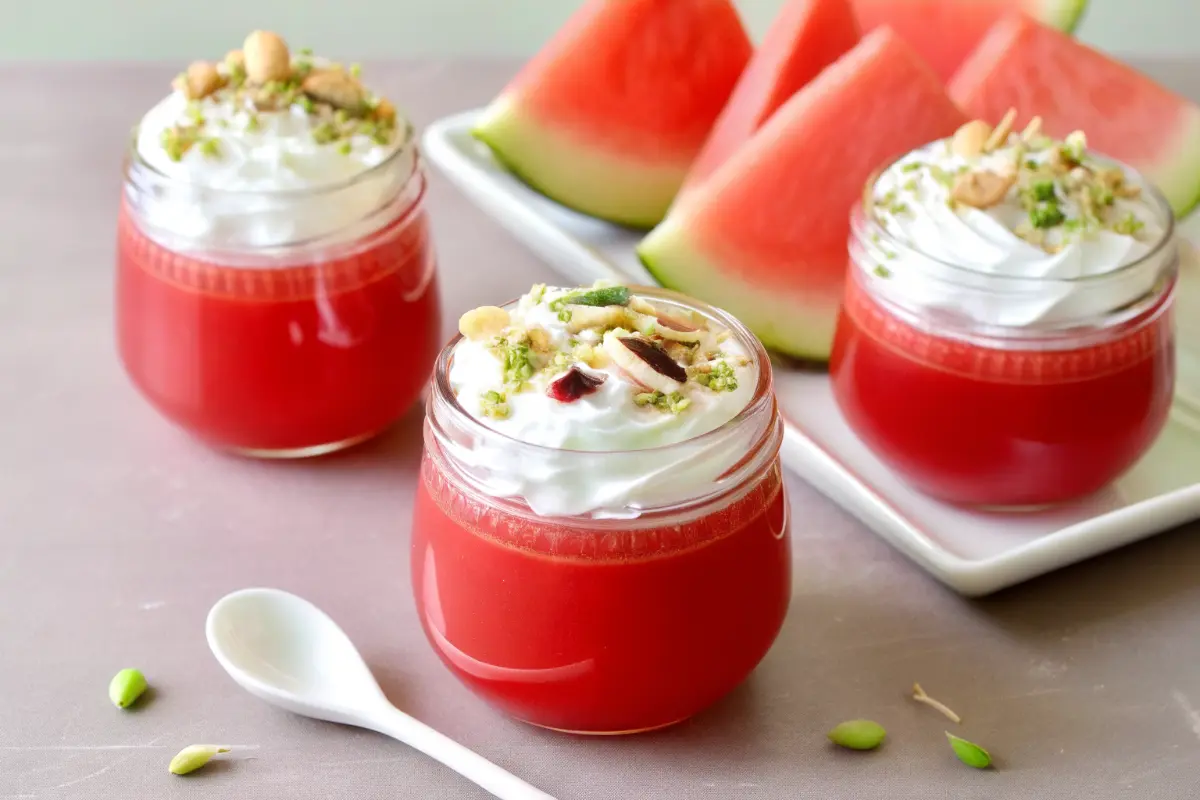
Few desserts capture the essence of summer quite like Sicilian watermelon pudding, traditionally known as gelo di melone. This vibrant, jewel-toned delicacy is a cornerstone of Sicilian culinary heritage, especially in Palermo, where it has been enjoyed for generations. Unlike heavy, cream-based desserts, this pudding is light, aromatic, and deeply rooted in tradition.
At first glance, gelo di melone may look like a simple fruit jelly—but that impression barely scratches the surface. Its texture is silky and delicate, while its flavor is subtly enhanced with spices and floral notes that make it unmistakably unique. If you’re curious about its origins, you can explore the history of gelo di melone to understand how this dessert evolved over time.
What is Sicilian Watermelon Pudding?
Sicilian watermelon pudding is a traditional Italian dessert made primarily from fresh watermelon juice, thickened with starch and lightly sweetened. Despite its name, it doesn’t resemble conventional pudding. Instead, it has a firm yet tender consistency similar to a delicate custard or gel.
Key Characteristics
- Smooth, sliceable texture
- Deep red color from natural watermelon juice
- Lightly sweet with aromatic undertones
- Typically served chilled
Why It Stands Out
Unlike many desserts that rely on dairy or eggs, gelo di melone achieves its structure using simple, plant-based ingredients. This simplicity allows the natural flavor of watermelon to take center stage, enhanced by subtle additions like cinnamon or jasmine.
The History and Cultural Significance
Origins in Sicily
The roots of Sicilian watermelon pudding trace back to Palermo, where it became a staple summer dessert. Historically, it was prepared during the hottest months when watermelons were abundant and at peak sweetness.
Arab Culinary Influence
Sicily’s cuisine reflects centuries of cultural exchange, particularly from Arab influences. Ingredients like:
- Jasmine water
- Cinnamon
- Pistachios
are commonly used in gelo di melone, showcasing this historical connection.
Role in Festivals
This dessert is closely associated with major Sicilian celebrations, including:
- Ferragosto (mid-August holiday)
- Feast of Santa Rosalia
During these events, Sicilian watermelon pudding is often prepared in decorative molds and served as a refreshing treat.
Ingredients for Sicilian Watermelon Pudding
Understanding the ingredients is key to mastering gelo di melone.
Core Ingredients
- 1 liter fresh watermelon juice (from a ripe watermelon)
- 80–100 g granulated sugar (adjust to taste)
- 80 g cornstarch
Traditional Flavorings
- 1 teaspoon ground cinnamon
- 1–2 teaspoons jasmine water (or a few jasmine flowers, optional but authentic)
Garnishes
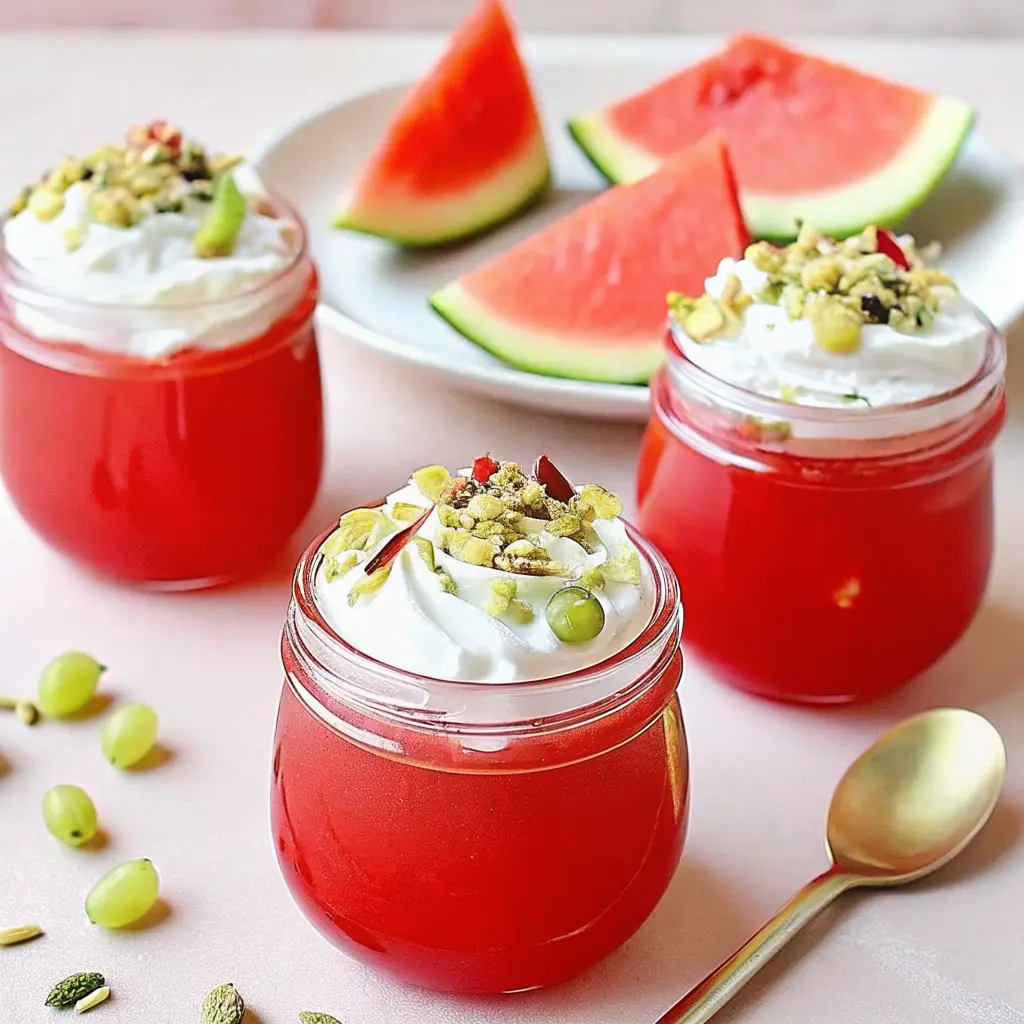
- 2–3 tablespoons chopped pistachios
- 2 tablespoons dark chocolate chips (to resemble watermelon seeds)
Optional Additions
- 1 teaspoon vanilla extract
- Candied fruit (small diced pieces)
- Almond slivers
Step-by-Step Recipe Guide
Creating Sicilian watermelon pudding is straightforward but requires attention to detail.
1. Preparing the Watermelon Juice
- Cut fresh watermelon into chunks
- Blend until smooth
- Strain through a fine sieve to remove pulp and seeds
2. Mixing the Ingredients
- Combine watermelon juice with sugar
- Dissolve cornstarch in a small portion of the juice
- Mix thoroughly to avoid lumps
3. Cooking the Mixture
- Heat over medium heat
- Stir continuously until thickened
- Add cinnamon or jasmine water during cooking
4. Setting the Pudding
- Pour into molds or bowls
- Allow to cool at room temperature
- Refrigerate for at least 4 hours
5. Garnishing and Serving
- Top with pistachios and chocolate chips
- Lightly dust with cinnamon
- Serve chilled
Tips for Perfect Gelo di Melone
Achieving the perfect consistency and flavor requires precision.
Key Tips
- Use fully ripe watermelon for maximum flavor
- Always strain the juice thoroughly
- Stir constantly while cooking to prevent lumps
- Measure cornstarch carefully to control texture
- Let it set completely before serving
Variations of Sicilian Watermelon Pudding
Traditional vs Modern
Traditional recipes keep it simple, while modern versions may include:
- Layered presentations
- Additional fruit infusions
- Decorative molds
Regional Differences
Across Sicily, slight variations exist in:
- Spice combinations
- Garnish choices
- Presentation styles
Creative Twists
- Turning the pudding into a tart filling
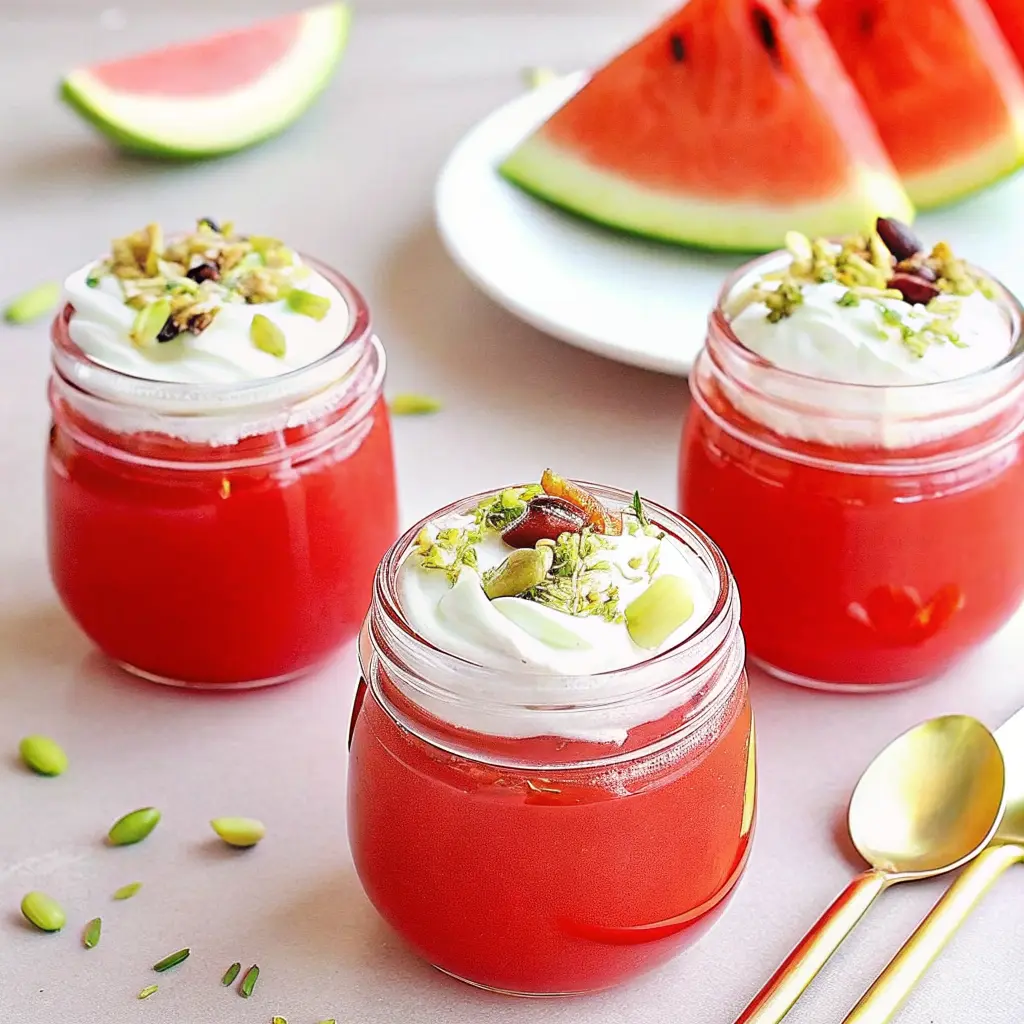
- Serving in individual cups
- Adding citrus zest for contrast
When and How to Serve It
Sicilian watermelon pudding is best enjoyed:
- Fully chilled
- During warm weather
- As a light dessert after meals
Serving Suggestions
- Pair with espresso
- Serve alongside biscotti
- Present in elegant molds for gatherings
Common Mistakes to Avoid
Even simple recipes can go wrong without careful execution.
Frequent Errors
- Using unripe watermelon
- Not dissolving cornstarch properly
- Overcooking the mixture
- Skipping the straining step
Avoiding these mistakes ensures a smooth, flavorful result.
Storage and Shelf Life
To maintain quality:
- Store in the refrigerator
- Consume within 2–3 days
- Keep covered to preserve freshness
Freezing is not recommended, as it alters the texture.
FAQs About Sicilian Watermelon Pudding
What is gelo di melone made of?
It consists of watermelon juice, sugar, and cornstarch, with optional flavorings.
Why is it called gelo di melone?
“Gelo” refers to its chilled, gel-like consistency, while “melone” refers to watermelon in Sicilian dialect.
Is it dairy-free?
Yes, traditional recipes contain no dairy.
How long does it take to set?
Typically around 4 hours in the refrigerator.
Can I use gelatin instead?
It’s not traditional and will change the texture significantly.
What does it taste like?
It has a fresh, mildly sweet watermelon flavor with subtle aromatic notes.
Conclusion
Sicilian watermelon pudding, or gelo di melone, is more than just a dessert—it’s a reflection of Sicily’s rich culinary heritage. Its simplicity, elegance, and refreshing character make it a standout among traditional sweets.
Print
Sicilian Watermelon Pudding Recipe
- Total Time: PT4H25M
- Yield: 6 servings 1x
- Diet: Vegan
Description
Sicilian Watermelon Pudding, traditionally known as Gelo di Melone, is a silky chilled dessert made with fresh watermelon juice, sugar, and starch.
Ingredients
- 1 liter fresh watermelon juice (from a ripe watermelon)
- 80–100 g granulated sugar (adjust to taste)
- 80 g cornstarch
Traditional Flavorings
- 1 teaspoon ground cinnamon
- 1–2 teaspoons jasmine water (or a few jasmine flowers, optional but authentic)
Garnishes
- 2–3 tablespoons chopped pistachios
- 2 tablespoons dark chocolate chips (to resemble watermelon seeds)
Optional Additions
- 1 teaspoon vanilla extract
- Candied fruit (small diced pieces)
- Almond slivers
Instructions
1. Preparing the Watermelon Juice
- Cut fresh watermelon into chunks
- Blend until smooth
- Strain through a fine sieve to remove pulp and seeds
2. Mixing the Ingredients
- Combine watermelon juice with sugar
- Dissolve cornstarch in a small portion of the juice
- Mix thoroughly to avoid lumps
3. Cooking the Mixture
- Heat over medium heat
- Stir continuously until thickened
- Add cinnamon or jasmine water during cooking
4. Setting the Pudding
- Pour into molds or bowls
- Allow to cool at room temperature
- Refrigerate for at least 4 hours
5. Garnishing and Serving
- Top with pistachios and chocolate chips
- Lightly dust with cinnamon
- Serve chilled
Notes
Chill Time
4 hours
- Prep Time: PT10M
- Cook Time: PT15M
- Category: Dessert
- Method: Stovetop
- Cuisine: Italian
Nutrition
- Serving Size: 1 bowl
- Calories: 110 kcal
- Sugar: 21 g
- Sodium: 5 mg
- Fat: 1 g
- Saturated Fat: 0 g
- Unsaturated Fat: 1 g
- Trans Fat: 0 g
- Carbohydrates: 27 g
- Fiber: 1 g
- Protein: 1 g
- Cholesterol: 0 mg
1 thought on “Sicilian Watermelon Pudding Recipe – Authentic Gelo di Melone Guide”