
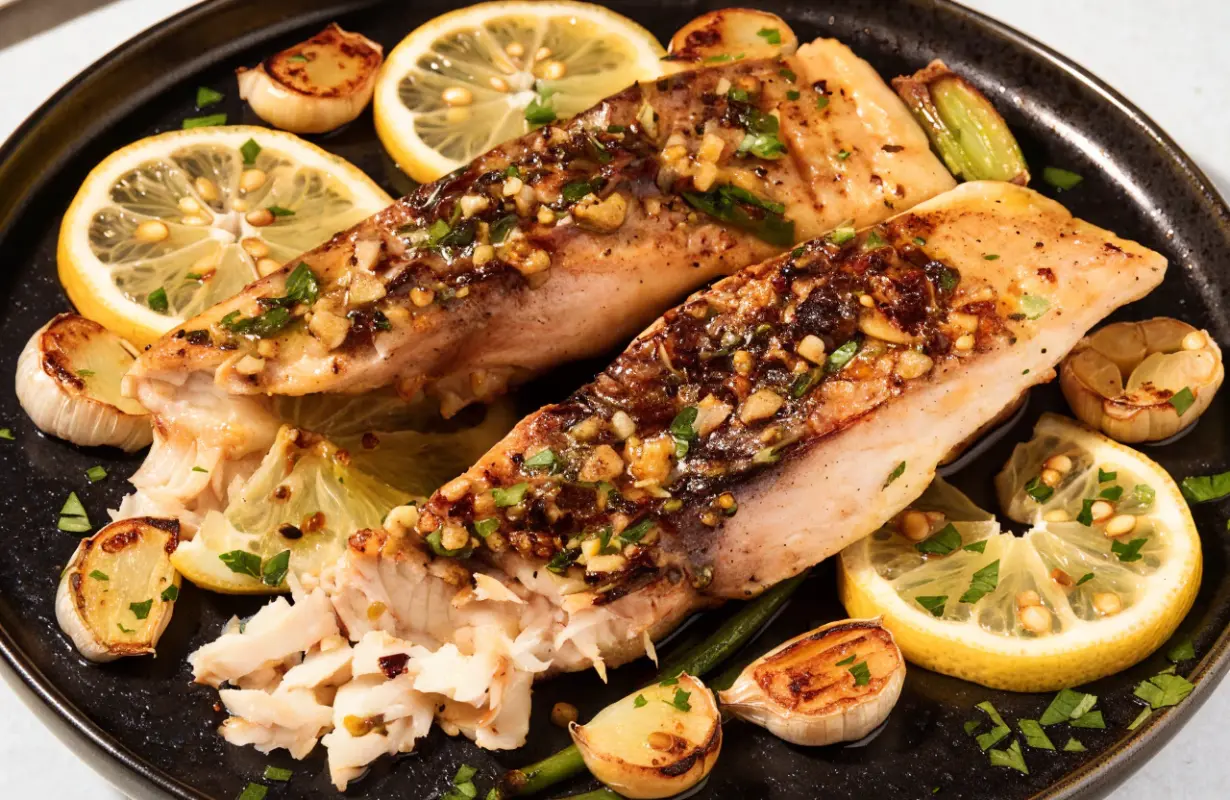
What Is Garlicky Lemon Mahi-Mahi Recipe?
Mahi-mahi is a firm, mild-tasting fish with a slightly sweet flavor and a texture that holds together well during cooking. Its flesh becomes tender and flaky when cooked properly, making it a great choice for skillet recipes, grilled fish, and oven-baked seafood dinners.
In this recipe, mahi-mahi is seasoned simply and seared in a hot skillet. Once the fish is cooked, the same pan is used to create a quick garlic-lemon butter sauce. The browned bits left behind by the fish add extra flavor, while fresh lemon juice brings a bright, tangy finish.
Garlic provides a savory aroma, butter creates a smooth sauce, and chopped parsley adds a fresh herbal note. Together, these ingredients turn a basic fish fillet into a restaurant-style dinner that is easy to prepare at home.
The result is a dish with a lightly crisp exterior, a moist center, and a generous coating of lemony garlic butter. It tastes elegant but uses a straightforward cooking method that even beginner cooks can master.
Ingredients for Garlicky Lemon Mahi-Mahi Recipe
4 mahi-mahi fillets (4–6 ounces each)
4 cloves garlic, minced
2 tablespoons fresh lemon juice
1 teaspoon lemon zest
4 tablespoons unsalted butter, divided
1 tablespoon olive oil
½ teaspoon salt, or to taste
¼ teaspoon freshly ground black pepper
2 tablespoons fresh parsley, chopped
¼ teaspoon red pepper flakes (optional)
½ teaspoon paprika (optional)
Lemon slices, for garnish
1 bunch asparagus, trimmed (optional)
Kitchen Equipment You Will Need
Gather your equipment before you begin cooking.
- Large skillet: Stainless steel, cast iron, or a good nonstick skillet will work.
- Fish spatula: A thin, flexible spatula makes turning delicate fillets easier.
- Sharp knife: For preparing garlic, parsley, and lemon.
- Cutting board: Use a separate, clean preparation area for raw fish.
- Garlic press: Optional, but useful if you prefer very finely crushed garlic.
- Citrus juicer: Helps extract lemon juice without dropping seeds into the sauce.
- Measuring spoons: For consistent ingredient quantities.
- Paper towels: For drying the fish before searing.
- Instant-read thermometer: Helpful for checking the center of the thickest fillet.
Ingredient Preparation Tips Before Cooking
A few minutes of preparation make the cooking process much smoother.
1. Thaw and Dry the Fish
If you’re using frozen mahi-mahi, thaw it in the refrigerator. Remove the fillets from their packaging and pat both sides dry with paper towels.
Dry fish browns more easily than wet fish. Excess moisture can cause the fillets to steam in the skillet instead of developing the golden exterior you’re looking for.
2. Season the Fillets Evenly
Sprinkle salt and black pepper over both sides of the fish. Spread the seasoning evenly rather than concentrating it in one area.
If you want to use paprika, add a light dusting at this stage. Keep the seasoning simple so the garlic-lemon butter remains the main flavor.
3. Prepare the Garlic and Lemon
Mince the garlic and chop the parsley. Zest the lemon before juicing it, then measure the juice into a small bowl.
Remove any lemon seeds before adding the juice to the pan. If you plan to garnish the finished dish, cut a few thin lemon rounds now.
4. Measure the Remaining Ingredients
Measure the butter and olive oil before heating the skillet. Place the red pepper flakes nearby if you’re using them.
Garlic cooks quickly, so having everything ready prevents you from scrambling to prepare ingredients while the butter is heating.
5. Keep the Pan Uncrowded
Arrange the fillets so that they do not touch. If the skillet cannot comfortably hold all four pieces, cook two at a time.
Allowing room around the fish encourages even browning and makes it easier to flip each fillet without breaking it.
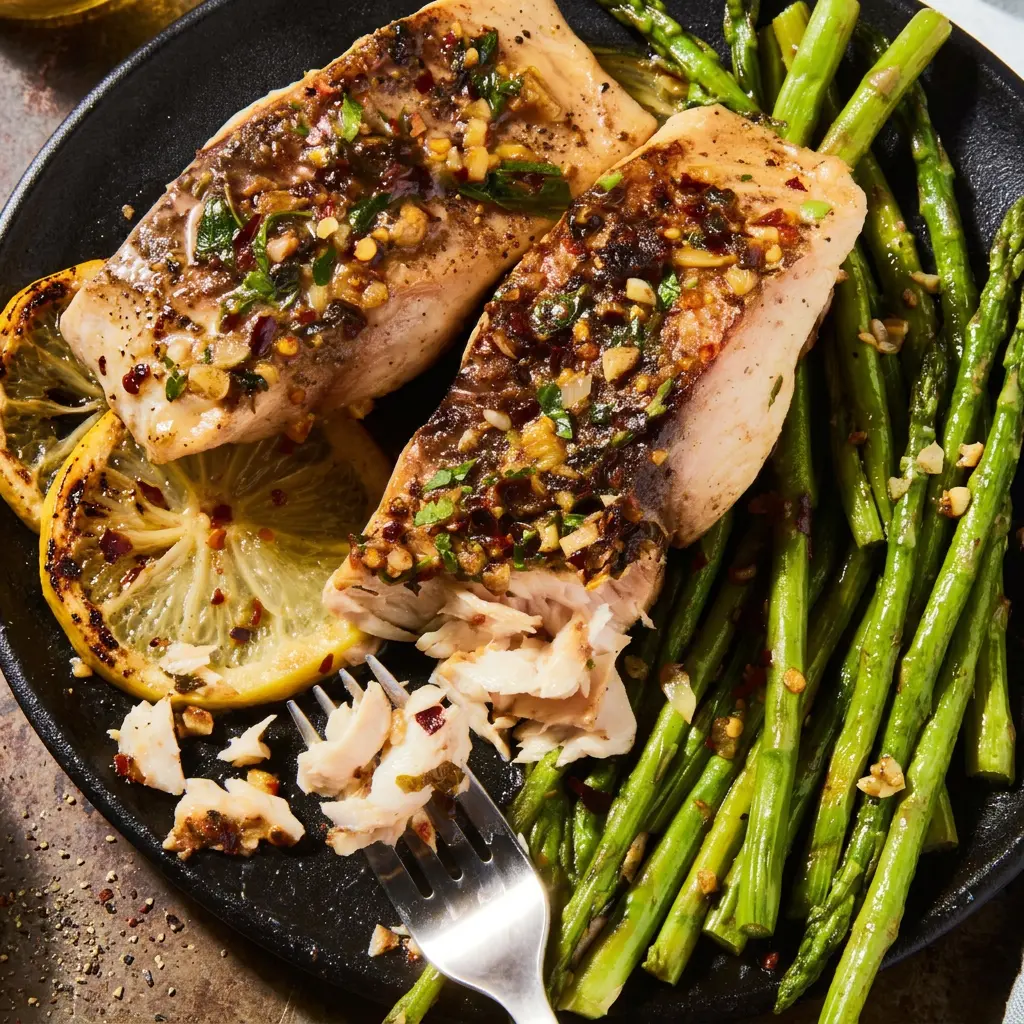
Step-by-Step Instructions for Garlicky Lemon Mahi-Mahi Recipe
Follow these steps to make golden pan-seared mahi-mahi with a fragrant lemon garlic butter sauce.
Step 1: Pat Dry and Season the Mahi-Mahi
Place the fillets on a clean cutting board or plate lined with paper towels. Pat the top and bottom dry, then season both sides with salt and black pepper.
If you enjoy a little extra color, add a light sprinkle of paprika. Keep the seasoning even and avoid pressing it deeply into the fish.
Set the prepared fillets aside while you heat the skillet. Have your garlic, lemon juice, butter, and parsley ready nearby.
Step 2: Heat the Skillet
Place a large skillet over medium-high heat. Add the olive oil and approximately one tablespoon of butter.
Allow the oil to heat until it shimmers. The butter should melt and begin to foam gently without turning dark brown or smoking.
A properly heated skillet helps the fish develop a golden surface. If the pan is too cool, the fillets may release moisture and stick. If it’s too hot, the outside can brown before the center has finished cooking.
Step 3: Sear the First Side
Carefully place the mahi-mahi fillets into the skillet, leaving space between each piece.
Let the fish cook undisturbed for approximately three to five minutes, depending on thickness. Avoid repeatedly lifting or moving the fillets because the surface needs time to develop a crust.
As the fish cooks, the edges will begin to turn opaque. When the first side is golden and the fillet releases more easily from the skillet, it’s usually ready to flip.
If the fish resists the spatula, give it another short moment rather than forcing it loose.
Step 4: Flip and Finish Cooking
Slide a thin fish spatula underneath each fillet and turn it carefully. Cook the second side for another three to five minutes, adjusting the time according to thickness.
The flesh should become opaque and separate easily with a fork. For a precise check, measure the internal temperature at the thickest part; fish should reach 145°F (63°C).
Transfer the cooked fillets to a clean plate. Avoid leaving them in the hot skillet while preparing the sauce, as residual heat can continue cooking the fish and make it dry.
Step 5: Cook the Optional Asparagus
If you’re serving asparagus with the mahi-mahi, use the same skillet after transferring the fish to the plate.
Add trimmed asparagus spears and cook for approximately two to four minutes, tossing occasionally. The exact time depends on the thickness of the spears.
Season lightly with salt and black pepper. Once the asparagus is bright and tender but still has a little bite, transfer it to a plate.
Leave the flavorful browned bits in the skillet. They will add depth to the garlic-lemon butter sauce.
Step 6: Prepare the Pan for the Sauce
Reduce the heat to medium-low. Inspect the bottom of the skillet and remove any burnt garlic or blackened residue if necessary.
Keep the golden-brown bits left by the fish, as these contribute a savory flavor to the sauce. If the skillet looks excessively dry, add a small amount of butter before proceeding.
Lower heat is important at this stage because butter and minced garlic can burn quickly. Once the pan is ready, you can build the sauce without losing the delicate citrus flavor.
How to Make the Garlic Lemon Butter Sauce
The sauce is the finishing touch that makes this recipe especially delicious. It takes only a few minutes and uses the same skillet as the fish.
Step 7: Sauté the Garlic
Add the remaining three tablespoons of butter to the skillet. Let it melt over medium-low heat, then add the minced garlic and optional red pepper flakes.
Stir constantly for about 30–60 seconds, until the garlic becomes fragrant. It should soften slightly without turning dark brown.
Garlic can develop a bitter taste when burned, so keep the heat controlled. If it begins browning too quickly, move the pan off the heat briefly before continuing.
Step 8: Add the Fresh Lemon Juice and Zest
Pour in the fresh lemon juice and add the lemon zest. Stir gently, using a wooden spoon or spatula to loosen the flavorful browned bits from the bottom of the pan.
Let the sauce bubble gently for a short moment. The lemon juice will blend with the melted butter, creating a bright, savory sauce that coats the back of a spoon lightly.
Taste a small amount. If the lemon flavor feels too sharp, add a little more butter. If the sauce seems too rich, a small extra squeeze of lemon can brighten it.
Step 9: Finish with Fresh Parsley
Stir in most of the chopped parsley, keeping a little aside for garnish.
Taste the sauce and adjust the salt and black pepper as needed. If you want a warmer flavor, add a small pinch of paprika or red pepper flakes.
Avoid boiling the sauce aggressively. Gentle heat helps preserve its smooth texture and keeps the garlic from becoming bitter.
Step 10: Return the Fish to the Skillet
Carefully return the mahi-mahi fillets to the skillet. Spoon the garlic-lemon butter over each piece, making sure the surface is coated.
Warm the fish briefly over low heat, just long enough for the sauce to cling to the fillets. If you prepared asparagus, return it to the pan and spoon a little sauce over the vegetables as well.
Remove the skillet from the heat. Finish with the remaining parsley and a few lemon slices.
Common Mistakes to Avoid
Even a simple fish recipe can be disappointing if a few key details are overlooked.
- Putting wet fish into the skillet: Excess moisture can prevent a golden crust. Always pat the fillets dry.
- Moving the fish too early: Let the first side sear before attempting to flip it. Moving it repeatedly can cause the surface to tear.
- Burning the garlic: Lower the heat before adding the garlic and stir frequently.
- Using too much lemon juice: Start with the recommended amount and adjust after tasting the sauce.
- Overcrowding the pan: Cook in batches when necessary so each fillet has enough space.
- Cooking the fish for too long: Check doneness early, particularly with thin pieces.
- Leaving the fillets in the sauce for too long: Return the fish to the pan only briefly after the sauce is ready.
- Adding all the parsley too early: Save some for the final garnish to preserve its color and fresh flavor.
Paying attention to these small details helps create a more consistent result every time.
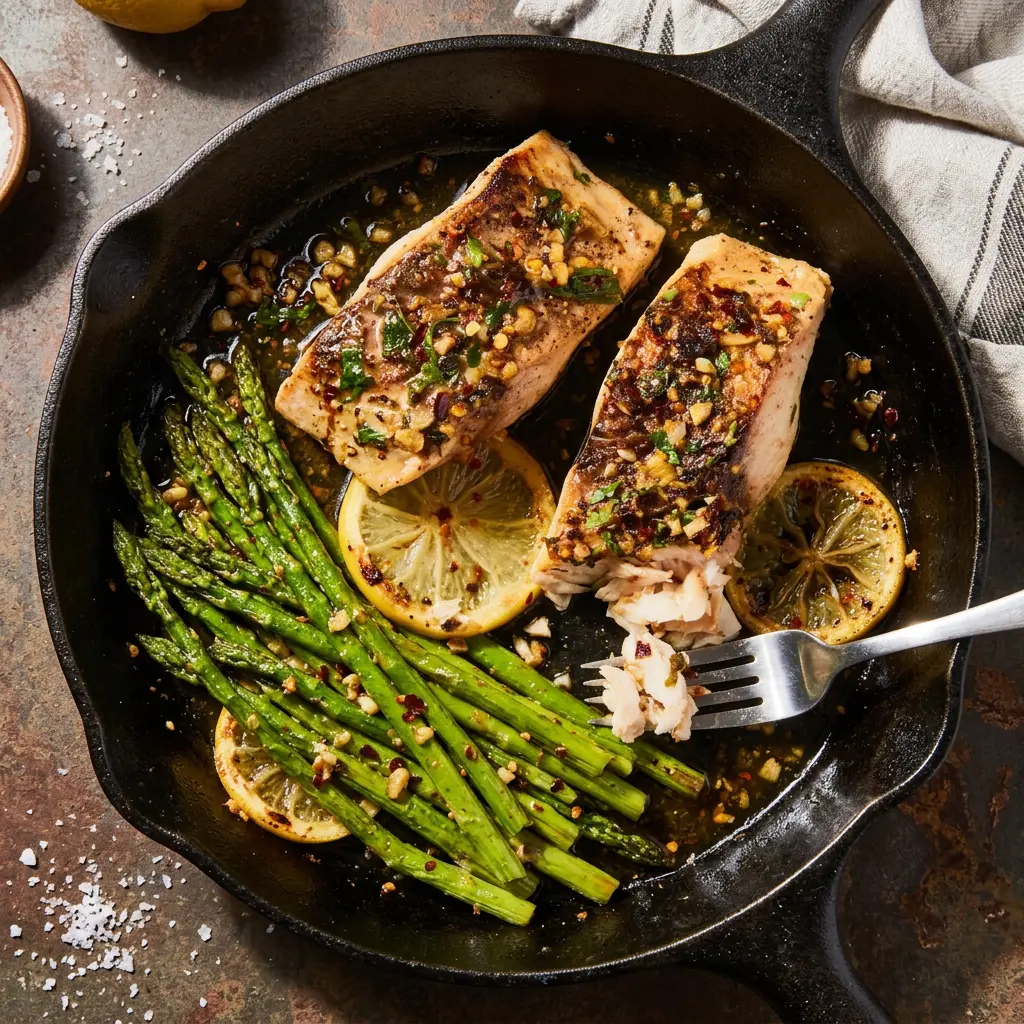
Variations and Ingredient Substitutions
One of the best features of this recipe is how easily you can change the flavor while keeping the same basic cooking method.
Baked Garlic Lemon Mahi-Mahi
For an oven-baked version, arrange the seasoned fillets in a lightly oiled baking dish. Spoon over a little olive oil and lemon juice, then bake in a preheated oven until the fish is opaque and reaches the recommended internal temperature.
Prepare the garlic butter sauce separately in a small skillet and spoon it over the cooked fish. This method is useful when you’re cooking several portions at once.
Grilled Mahi-Mahi with Lemon and Garlic
Brush the fillets lightly with olive oil and season them with salt and pepper. Grill over medium-high heat, turning carefully once the fish releases from the cooking surface.
Prepare the garlic-lemon butter separately and drizzle it over the fish just before serving. The grilled surface adds a subtle smoky flavor that complements the citrus sauce.
Spicy Garlic Lemon Mahi-Mahi
For a spicy variation, add red pepper flakes to the garlic butter. A small pinch of cayenne pepper also works well.
Start with a modest amount and taste the sauce before adding more. The goal is to add warmth without overpowering the lemon and garlic.
What to Serve with Garlicky Lemon Mahi-Mahi
The buttery lemon sauce pairs well with a variety of side dishes. Choose something that complements the citrus flavor and gives you an easy way to serve the extra sauce.
Rice and Grains
Fluffy white rice is a simple choice because it absorbs the garlic-lemon butter. Lemon rice adds an extra citrus note, while couscous is convenient when you want a quick side.
Quinoa or another grain can also work, especially when combined with chopped herbs and a squeeze of fresh lemon.
Potato Side Dishes
Roasted baby potatoes are a great match for the golden fish and buttery sauce. Their crisp edges contrast with the soft, flaky texture of the mahi-mahi.
You could also serve garlic mashed potatoes or crispy oven-roasted potato wedges. Keep the seasonings relatively simple so the fish remains the centerpiece.
Fresh Salads
A cucumber and tomato salad adds freshness and a crisp texture. A simple green salad with a lemon vinaigrette is another good option.
For a Mediterranean-inspired meal, serve the fish with chopped tomatoes, cucumber, red onion, parsley, and a light lemon dressing.
Bread and Extra Sauce
Crusty bread is useful for soaking up the garlic-lemon butter left on the plate. Warm flatbread or a simple dinner roll also works.
Finish the meal with lemon wedges and a little chopped parsley for a fresh presentation.
Storage, Reheating, and Make-Ahead Instructions
This mahi-mahi recipe is best served immediately, but leftovers can be stored and reheated when handled properly.
How to Store Leftovers
Allow the fish to stop steaming heavily, then transfer it to a clean, shallow, airtight container. Refrigerate promptly rather than leaving it on the counter for an extended period.
For practical storage guidance, follow the FDA’s recommendations for handling and storing seafood. Keep the fish refrigerated at 40°F (4°C) or below.
How Long Does Cooked Mahi-Mahi Last?
For best quality, use refrigerated leftovers within three to four days, provided they were handled and stored properly. Discard fish that has an unusual odor, has been left out too long, or appears spoiled.
When in doubt, do not taste questionable leftovers to determine whether they are still suitable to eat.
How to Reheat Without Drying Out the Fish
The stovetop is a good option for reheating mahi-mahi gently.
- Place the fish in a skillet over low heat.
- Add a small spoonful of leftover sauce or a splash of water.
- Cover the skillet to help retain moisture.
- Warm gently until heated through, turning the fish only if necessary.
Avoid high heat or prolonged reheating, as both can make the fish firm and dry. If reheating leftovers, bring them to 165°F (74°C).
Can You Freeze Leftovers?
Cooked mahi-mahi can be frozen in an airtight, freezer-safe container, although its texture may become slightly softer after thawing. The butter sauce can also change texture during freezing and reheating.
For the best result, cool and package the leftovers promptly. Thaw them in the refrigerator and reheat gently.
Frequently Asked Questions
How Long Does It Take to Cook Mahi-Mahi in a Skillet?
Most fillets take around three to five minutes per side, depending on thickness and heat. Thicker pieces may need longer, so check the center for doneness instead of relying only on cooking time.
How Do You Know When Mahi-Mahi Is Fully Cooked?
The flesh should be opaque and separate easily with a fork. For a more precise check, use an instant-read thermometer at the thickest point and confirm that it reaches 145°F (63°C).
Can I Use Frozen Mahi-Mahi for This Recipe?
Yes. Thaw frozen fillets in the refrigerator, then pat them thoroughly dry before seasoning. Properly dried fish is easier to sear and develops a better golden crust in the skillet.
Is It Better to Bake or Pan-Sear Mahi-Mahi?
Pan-searing produces a golden exterior and allows you to build the sauce in the same skillet. Baking is convenient for preparing several portions at once, while grilling adds a subtle smoky flavor.
Can I Make Garlicky Lemon Mahi-Mahi Without Butter?
Yes. Use olive oil or a dairy-free butter alternative. The resulting sauce will have a different texture, but garlic, lemon juice, lemon zest, and fresh parsley still provide plenty of flavor.
Troubleshooting the Garlic Lemon Sauce
If your sauce doesn’t turn out exactly as expected, a few simple adjustments can help.
Why Is My Sauce Too Thin?
Let the sauce simmer gently for a short time so some of the excess liquid can evaporate. Alternatively, whisk in a small amount of butter off the heat to give it a smoother, slightly richer texture.
Avoid boiling the sauce aggressively, as this can cause the butter to separate.
Why Does My Sauce Taste Too Sour?
Add a little more butter and stir well before tasting again. You can also reduce the amount of lemon juice next time and rely on a small amount of zest for additional citrus aroma.
Make changes gradually so the sauce doesn’t become too rich or lose its bright lemon flavor.
Why Does the Butter Sauce Separate?
Excessive heat can cause the butter sauce to separate. Remove the skillet from the heat and whisk gently. If needed, add a teaspoon of warm water while whisking to help the sauce come together.
Keep the heat low when preparing the sauce and avoid letting it boil rapidly.
Final Thoughts
This Garlicky Lemon Mahi-Mahi Recipe shows how a handful of simple ingredients can create a delicious, impressive seafood dinner. Golden pan-seared fish, fresh garlic, bright lemon, and buttery sauce come together in a recipe that’s easy to prepare and simple to customize.