
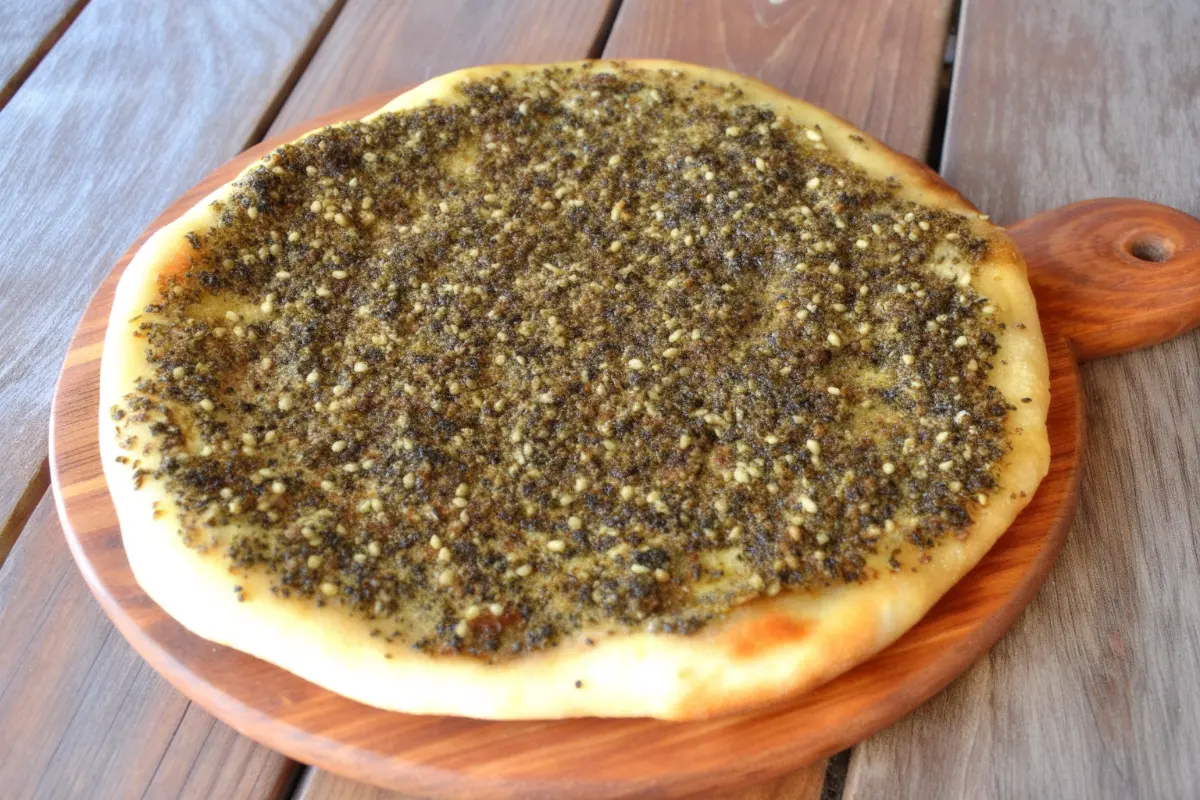
If you love warm, fresh bread and bold Middle Eastern flavors, Baladi Bread with Labneh and Zaatar might just become your new favorite ritual. Imagine tearing into fluffy, rustic Egyptian flatbread, still warm from the oven, then swiping it through creamy labneh and fragrant zaatar glistening with olive oil. It’s simple, but the flavors are anything but.
Why Baladi Bread with Labneh and Zaatar Works So Beautifully
When you bring baladi bread, labneh, and zaatar together, you get one of those simple combinations that feels almost inevitable:
- The bread is warm, toasty, and slightly smoky
- The labneh is cool, rich, and tangy
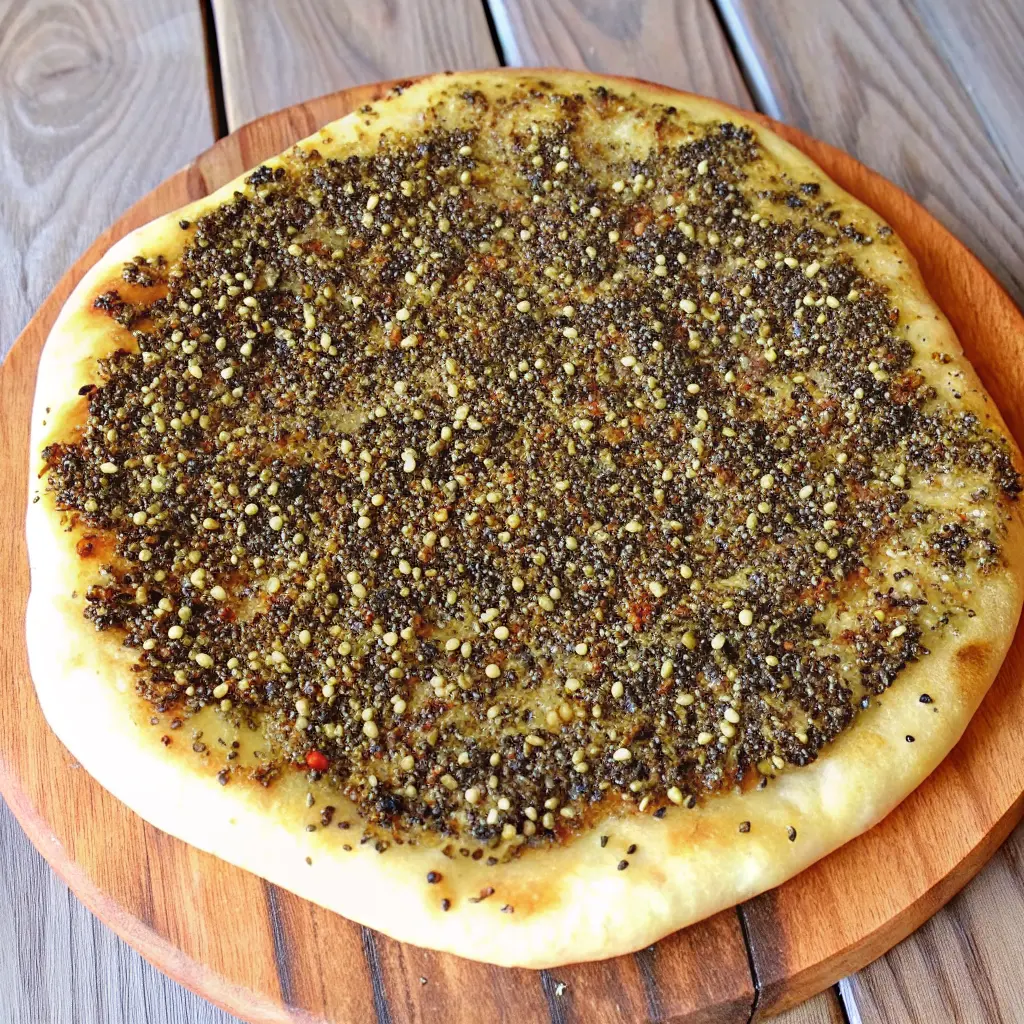
- The zaatar is herbal, nutty, and citrusy, especially when mixed with good olive oil
Everything about it is about balance—soft with crisp, rich with bright, creamy with grainy. It’s easy enough for a weekday breakfast yet comforting enough to serve to guests as part of a larger spread. In many Egyptian and Levantine homes, labneh and zaatar with bread is the definition of relaxed, homestyle eating.
Ingredient Overview for Baladi Bread with Labneh and Zaatar
Before we dive into the method, let’s look at what you’ll need.
For the Baladi Bread
To make classic-style baladi bread at home, you’ll typically use:
- Whole-wheat flour (sometimes mixed with a bit of white flour)
- Wheat bran for dusting and texture
- Warm water
- Instant or active dry yeast
- Salt
The high proportion of whole wheat gives the bread its rustic flavor and darker color.
For the Labneh
You can start with:
- Plain, full-fat yogurt (the thicker, the better)
- Salt
If you don’t have ready-made labneh, straining yogurt at home is easy and lets you control the thickness and flavor.
For the Zaatar Topping
For the zaatar and olive oil topping, you’ll need:
- Zaatar blend (store-bought or homemade)
- Good-quality extra-virgin olive oil
Homemade zaatar lets you adjust the balance of herbs, sumac, and sesame to suit your palate, but a fresh, aromatic store-bought blend works well too.
Step-by-Step: Making Baladi Bread at Home
You don’t need a clay oven to make baladi bread in your own kitchen. A very hot oven and a baking stone or sturdy baking tray will give you surprisingly authentic results.
1. Mix and Knead the Dough
- In a large bowl, combine:
- Warm water
- Yeast
- A pinch of sugar (optional, to help activate the yeast)
- Let it sit for a few minutes until the yeast looks foamy.
- Add in:
- Whole-wheat flour
- A bit of white flour (if using)
- Salt
- Stir until a shaggy dough forms, then knead for about 8–10 minutes by hand (or 5–7 minutes in a stand mixer) until the dough becomes:
- Soft and elastic
- Slightly tacky but not sticky
- Smooth on the surface
If the dough feels too sticky, dust with a tiny bit more flour at a time; if it feels stiff and dry, knead in a teaspoon or two of water.
2. Let the Dough Rise
- Shape the dough into a ball and place it in a lightly oiled bowl.
- Cover with a clean towel or plastic wrap.
- Let it rise in a warm, draft-free spot until doubled in size.
Depending on your kitchen temperature, this might take 45–90 minutes. When ready, the dough should feel airy and leave a slight fingerprint when gently pressed.
3. Divide and Shape the Rounds
- Gently punch down the dough to release excess gas.
- Divide into equal pieces (usually 6–8 pieces for medium rounds, 10–12 for smaller ones).
- Shape each piece into a smooth ball by tucking the edges underneath.
- Lightly dust your work surface with wheat bran or flour.
- Roll each ball into a circle about 0.5–1 cm thick.
Try to keep the thickness even so the bread puffs uniformly in the oven.
4. Prepare the Oven
To get the classic baladi bread puff, you want:
- The highest temperature your oven will safely reach (often 240–260°C / 460–500°F)
- A preheated baking stone, steel, or overturned heavy baking tray
Preheat the oven (with the stone/tray inside) for at least 30 minutes. The intense heat is what gives the bread its pocket.
5. Bake the Baladi Bread
- Place the rolled dough rounds onto the hot stone or tray, leaving a bit of space between each.
- Bake for a few minutes (often 3–6 minutes), watching closely.
- The dough should:
- Puff dramatically
- Turn lightly golden in spots
- Stay soft, not dry or brittle
Making Labneh for Your Baladi Bread
If you’re using ready-made labneh, you can skip this step and move straight to the zaatar. But homemade labneh is surprisingly easy and very rewarding.
Simple Homemade Labneh
- Place a fine-mesh strainer over a bowl. Line the strainer with cheesecloth, a clean, thin kitchen towel, or multiple layers of paper towel.
- Mix plain yogurt with a small pinch of salt.
- Pour the yogurt into the lined strainer.
- Gather the cloth around the yogurt and twist gently to secure.
- Let it drain in the refrigerator for several hours or overnight.
The longer it drains, the thicker your labneh will become. You can stop when it is:
- As thick as Greek yogurt for a looser spread
- Almost as firm as cream cheese if you want neat dollops or balls
When it’s ready, scrape the labneh into a bowl and discard the whey or save it for other uses (like baking bread or adding to smoothies).
Preparing the Zaatar and Olive Oil
You can use your zaatar either as a paste or sprinkled on top.
Zaatar Paste
- Mix zaatar with enough olive oil to create a loose paste.
- Stir until the herbs and sesame seeds are evenly coated.
This paste can be:
- Spread directly on bread
- Swirled into labneh
- Brushed on bread before briefly toasting
Dry Sprinkle
Alternatively, you can:
- Spread labneh on the bread
- Drizzle with olive oil
- Sprinkle dry zaatar on top
Assembling Baladi Bread with Labneh and Zaatar
Now for the most satisfying part—bringing everything together.
- Warm the bread:
- If your bread has cooled, reheat it briefly in the oven or a dry skillet until just warm and soft.
- Spread with labneh:
- Use a spoon or small spatula to spread a generous layer of labneh over each warm round of baladi bread.
- You can leave a small border or go right to the edges.
- Top with zaatar:
- Either spread the zaatar and olive oil paste over the labneh
- Or drizzle olive oil over the labneh and sprinkle zaatar on top
- Finish and serve:
- Optionally add a few finishing touches: extra olive oil, a sprinkle of sesame seeds, or a pinch of flaky salt if your zaatar blend is mild.
Serve immediately, while the bread is still warm and the toppings are fragrant.
Make-Ahead, Storage, and Reheating Tips
One of the joys of Baladi Bread with Labneh and Zaatar is how well it adapts to planning.
Bread
- Short-term: Keep freshly baked baladi bread in a sealed bag or wrapped in a towel at room temperature for a day.
- Long-term: Freeze cooled bread in freezer bags. To reheat, wrap in foil and warm in a hot oven, or reheat directly on a skillet or grill until soft and hot.
Labneh
- Store labneh in an airtight container in the refrigerator.
- It’s usually best used within a few days for peak flavor and texture.
Zaatar
- Keep zaatar in a sealed jar away from direct light and heat.
- Over time, the herbs and sesame can lose their aroma, so buy or blend it in quantities you’ll use within a reasonable time.
FAQ: Baladi Bread with Labneh and Zaatar
1. What exactly is Baladi Bread with Labneh and Zaatar?
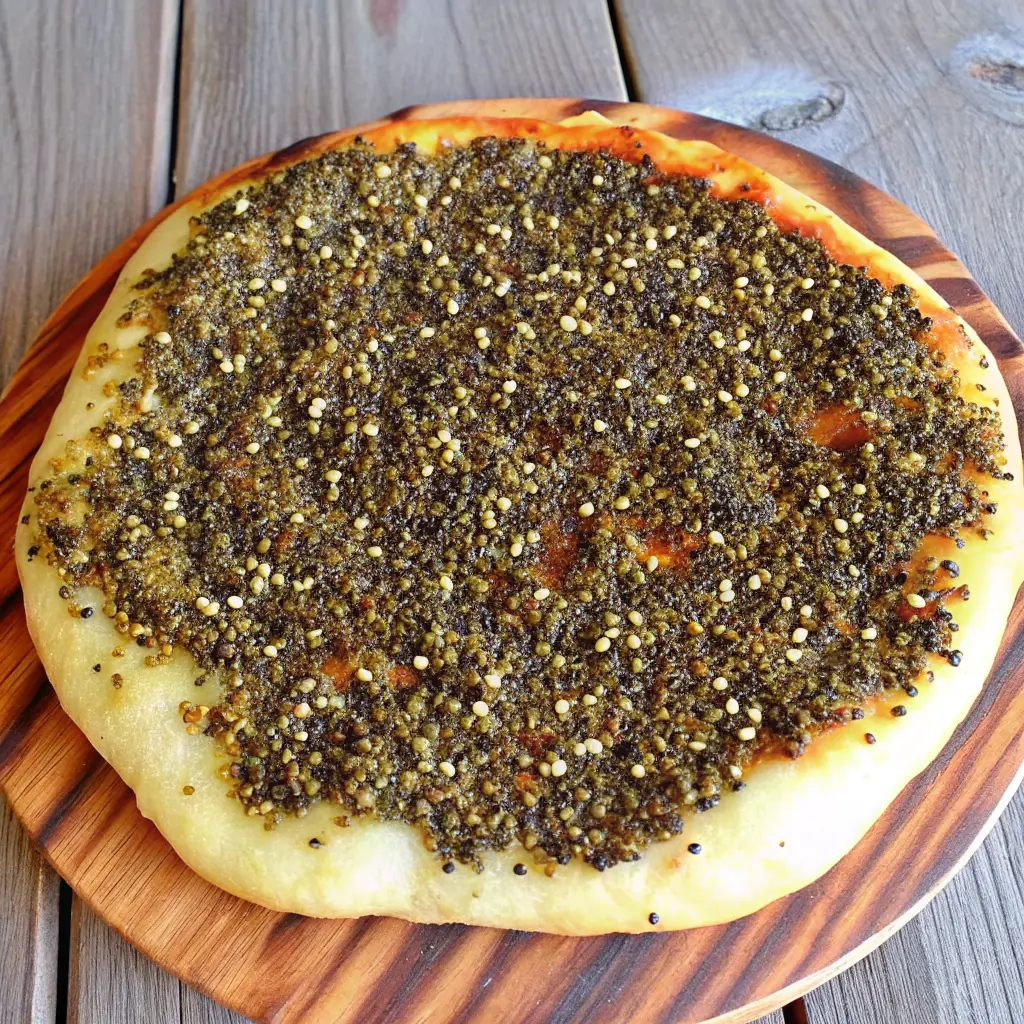
Baladi Bread with Labneh and Zaatar is a simple Middle Eastern dish made by topping warm Egyptian flatbread (baladi bread) with labneh (strained yogurt spread) and zaatar (a herb and spice blend), often finished with olive oil. It’s commonly enjoyed for breakfast, as part of a mezze spread, or as a light meal.
2. How is Baladi bread different from regular pita bread?
Baladi bread is usually:
- Made with more whole wheat
- Slightly thicker and more rustic
- Dusted with bran on the outside
Pita and baladi are related, but baladi bread tends to have a heartier flavor and a more robust texture.
3. Can I use pita or naan instead of Baladi bread?
Yes. If you can’t find or make baladi bread, pita, or naan, make good substitutes. Pita gives a similar pocket and shape, while naan offers a softer, richer bite. The experience is a bit different, but the combination of labneh and zaatar still tastes wonderful.
4. What does labneh taste like?
Labneh tastes tangy and creamy, like a cross between Greek yogurt and soft cream cheese. It spreads easily and pairs beautifully with herbs, spices, and olive oil.
Conclusion
Baladi Bread with Labneh and Zaatar is one of those recipes that proves how simple ingredients can create something truly special. With warm, rustic baladi bread as the base, creamy labneh as the spread, and fragrant zaatar as the finishing touch, every bite feels comforting, familiar, and exciting all at once.
Print
Baladi Bread with Labneh and Zaatar Recipe
- Total Time: PT1H30M
- Yield: 6 flatbreads 1x
- Diet: Vegetarian
Description
This Baladi Bread with Labneh and Zaatar is a simple yet deeply flavorful Middle Eastern dish that celebrates warm, rustic Egyptian flatbread topped with creamy labneh and aromatic zaatar. The combination is earthy, tangy, and comforting—perfect for breakfast
Ingredients
For the Baladi Bread
- 2 cups whole wheat flour
- 1 cup all-purpose flour
- 1 tbsp olive oil
- 1 tsp instant yeast
- 1 tsp salt
- 1–1¼ cups warm water
- Flour for dusting
For the Topping
- 1–1½ cups labneh
- 3 tbsp zaatar
- 3 tbsp olive oil (for drizzling)
- Pinch of flaky salt (optional)
Optional Add-Ons
- Sliced cucumbers
- Cherry tomatoes
- Kalamata olives
- Fresh mint
- Pickled turnips
- Chili flakes
Instructions
1. Make the Baladi Bread Dough
- In a bowl, combine whole wheat flour, all-purpose flour, yeast, and salt.
- Add olive oil and gradually pour in warm water until a soft dough forms.
- Knead 8–10 minutes until smooth and elastic.
- Cover and let rise 1 hour, until doubled in size.
2. Shape the Bread
- Divide the dough into 6 equal balls.
- Dust with flour and roll each into thin discs about 6–7 inches wide.
- Place onto a floured tray and cover until ready to cook.
3. Cook the Bread
Option A: Stovetop (Traditional)
- Heat a cast-iron pan or skillet over medium-high heat.
- Cook each bread 1–2 minutes per side until puffed and golden.
Option B: Oven-Baked
- Preheat oven to 500°F (260°C).
- Place dough discs on a hot baking sheet or pizza stone.
- Bake 2–3 minutes, until bread puffs.
4. Assemble with Labneh and Zaatar
- Spread a generous layer of labneh over warm baladi bread.
- Drizzle with olive oil.
- Sprinkle zaatar evenly on top.
- Add optional vegetables or herbs if desired.
5. Serve
- Serve immediately as breakfast or part of a mezze platter.
- Great alongside olives, tea, fresh vegetables, or grilled meats.
Notes
- For softer bread, use more all-purpose flour; for rustic flavor, increase whole wheat.
- Labneh can be swapped for thick Greek yogurt or strained yogurt.
- Add pomegranate seeds for brightness and crunch.
- Prep Time: PT20M
- Cook Time: PT10M
- Category: Breakfast
- Method: Stovetop
- Cuisine: Middle Eastern
Nutrition
- Serving Size: 1 topped flatbread
- Calories: 270 kcal
- Sugar: 1g
- Sodium: 280mg
- Fat: 10g
- Saturated Fat: 3g
- Unsaturated Fat: 7g
- Trans Fat: 0g
- Carbohydrates: 36g
- Fiber: 4g
- Protein: 9g
- Cholesterol: 10mg