
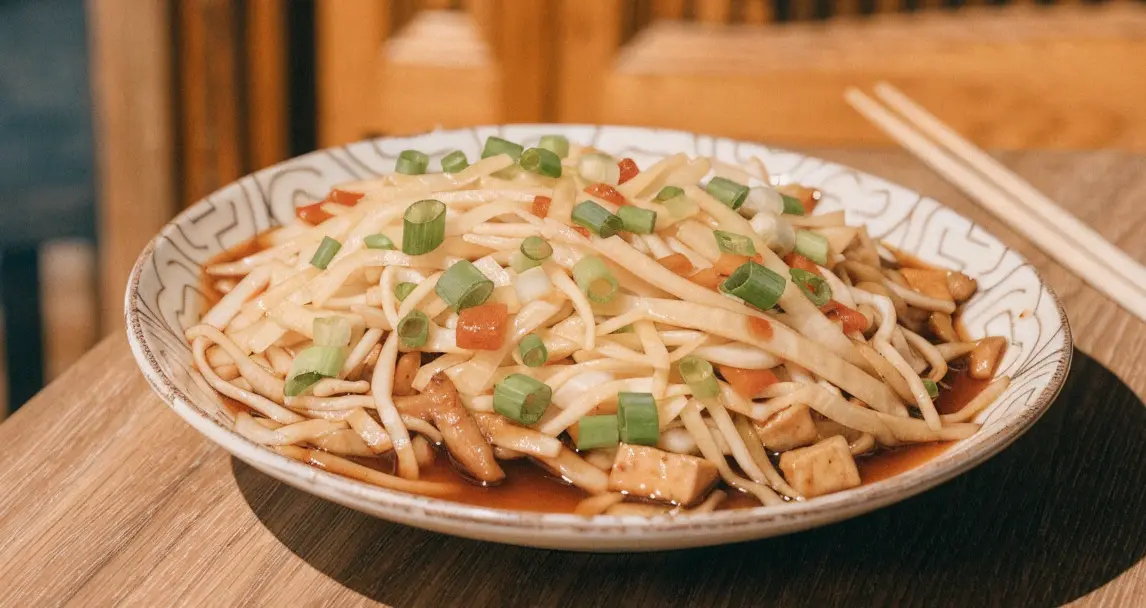
What Is Cabbage Chow Mein Low Carb?
Traditional chow mein is a popular Chinese-inspired dish made with stir-fried noodles, vegetables, and a flavorful sauce. It is commonly prepared with ingredients such as cabbage, carrots, onions, garlic, soy sauce, and sesame oil.
Low carb cabbage chow mein takes inspiration from this familiar dish but uses thinly sliced cabbage in place of traditional wheat noodles. When cooked properly, cabbage becomes tender while maintaining a slight crunch, making it an excellent noodle substitute for a stir-fry.
The cabbage absorbs the savory sauce beautifully, creating a dish with the familiar flavors of homemade chow mein. Garlic and ginger provide an aromatic foundation, while soy sauce contributes a deep, savory taste. Sesame oil adds a distinctive roasted aroma that makes the finished dish smell just like a freshly prepared stir-fry.
Ingredients for Low Carb Cabbage Chow Mein
The secret to delicious cabbage chow mein is using fresh vegetables and a well-balanced homemade sauce. Each ingredient contributes a different flavor or texture, creating a dish that tastes much more exciting than ordinary sautéed cabbage.
Here is everything you’ll need.
Main Ingredients
Green cabbage – 1 medium head (approximately 6 cups shredded)
Green cabbage is the star of this recipe. Its firm leaves hold their shape during stir-frying and become slightly tender while maintaining a pleasant bite.
Choose a fresh, compact cabbage with tightly packed leaves. Slice it into thin strips to create a noodle-like appearance.
Green onions – 3 stalks
Green onions bring a fresh, mild onion flavor to the dish. Use the white portions during cooking and reserve the green portions for garnish.
Garlic – 3 cloves, minced
Fresh garlic creates an aromatic base and adds a rich, savory flavor. Mince it finely so it distributes evenly throughout the cabbage.
Fresh ginger – 1 tablespoon, grated
Ginger adds a warm, slightly spicy flavor that pairs beautifully with garlic and soy sauce. Fresh ginger is particularly good in homemade stir-fry sauces.
Sesame oil – 1 teaspoon
Toasted sesame oil contributes a distinctive nutty aroma. A small amount is enough to give the entire dish a recognizable chow mein-inspired flavor.
Avocado oil or neutral cooking oil – 1 tablespoon
Use this oil to sauté the garlic, ginger, and cabbage. A neutral oil allows the other ingredients to remain the main focus.
Soy sauce – 3 tablespoons
Soy sauce provides the salty, savory foundation of the homemade chow mein sauce. Adjust the amount according to your preferred seasoning.
Rice vinegar – 1 tablespoon
Rice vinegar adds a gentle tanginess that balances the savory sauce.
Black pepper – ¼ teaspoon
Freshly ground black pepper adds a mild peppery finish.
Optional Vegetables
You can add extra vegetables to make the stir-fry more colorful and interesting.
- Carrots: Add thinly sliced or julienned carrots for sweetness and color.
- Bell peppers: Red, yellow, or green bell peppers bring a fresh crunch.
- Bean sprouts: Add them toward the end for a crisp texture.
- Mushrooms: Sliced mushrooms contribute an earthy, savory flavor.
- Zucchini: Thinly sliced zucchini works beautifully in vegetable stir-fries.
Ingredients for the Homemade Chow Mein Sauce
The homemade sauce is what brings all the ingredients together.
For this recipe, combine:
- 3 tablespoons soy sauce.
- 1 teaspoon toasted sesame oil.
- 1 tablespoon rice vinegar.
- 1 teaspoon grated fresh ginger.
- 1 minced garlic clove.
- 1 teaspoon water.
- ½ teaspoon brown sugar or an optional sweetener, if desired.
- A pinch of black pepper.
Whisk everything together in a small bowl until combined.
If you prefer a stronger savory flavor, add a little more soy sauce. For a tangier sauce, increase the rice vinegar slightly.
For a gluten-free alternative, use tamari or a suitable coconut aminos product instead of regular soy sauce. Always check the ingredient label when choosing a substitute.
Kitchen Equipment You’ll Need
You don’t need special equipment to make this homemade cabbage chow mein.
Prepare the following:
- Large skillet or wok: Provides enough space to toss the cabbage without overcrowding.
- Sharp chef’s knife: Makes slicing cabbage and vegetables easier.
- Cutting board: Provides a stable surface for preparing ingredients.
- Small mixing bowl: Used to combine the chow mein sauce.
- Whisk or fork: Helps blend the sauce ingredients.
- Measuring spoons: Keeps the sauce proportions consistent.
- Tongs or wooden spatula: Makes tossing the cabbage and vegetables easier.
A traditional wok is a great option, but an ordinary large skillet works perfectly well.
How to Make Low Carb Cabbage Chow Mein
Making this cabbage chow mein is straightforward. The key is to prepare the ingredients in advance, use a sufficiently hot skillet, and avoid cooking the cabbage for too long.
Follow these step-by-step instructions for the best results.
Step 1: Prepare the Cabbage
Start by removing the outer leaves of the cabbage.
Place the cabbage on a cutting board and cut it into quarters. Remove the hard central core from each quarter.
Using a sharp knife, slice the cabbage into thin strips.
The strips should resemble shredded noodles rather than large chunks. This shape helps the cabbage cook quickly and allows the sauce to coat each piece.
Transfer the sliced cabbage to a colander and rinse it under running water. Dry thoroughly before cooking.
If you are preparing the cabbage ahead of time, keep it in an airtight container in the refrigerator until needed.
Step 2: Prepare the Chow Mein Sauce
In a small bowl, combine:
- Soy sauce.
- Toasted sesame oil.
- Rice vinegar.
- Grated ginger.
- Minced garlic.
- Water.
- Optional sweetener.
- Black pepper.
Whisk the ingredients until everything is evenly combined.
Taste a small amount of the sauce and adjust the ingredients according to your preference.
If you like a stronger garlic flavor, add another small amount of minced garlic. If you prefer a more tangy sauce, add a little extra rice vinegar.
Set the sauce aside while you prepare the skillet.
Step 3: Heat the Skillet or Wok
Place a large skillet or wok over medium-high heat.
Add the avocado oil or neutral cooking oil and allow it to heat for a moment.
The cooking surface should be hot before you add the vegetables.
A sufficiently hot skillet helps the cabbage cook quickly while maintaining some of its natural texture.
Avoid using a small pan because overcrowding can cause the vegetables to release moisture and steam instead of stir-frying.
Step 4: Cook the Garlic and Ginger
Add the minced garlic and grated ginger to the heated oil.
Stir continuously for approximately 20–30 seconds, or until fragrant.
The aroma should become noticeable almost immediately.
Be careful not to let the garlic brown too much. Burned garlic can create a bitter flavor that affects the entire dish.
Add the white portions of the green onions and stir briefly.
Step 5: Add the Shredded Cabbage
Add the shredded cabbage to the skillet.
If your skillet is not large enough, add the cabbage in two batches rather than filling the pan completely.
Use tongs or a wooden spatula to toss the cabbage with the garlic and ginger.
Continue stir-frying for approximately 3–5 minutes.
The cabbage should begin to soften while retaining a slight crunch.
Avoid covering the skillet because trapped steam can make the cabbage softer than desired.
Step 6: Add the Remaining Vegetables
If you are using additional vegetables, add them once the cabbage begins to soften.
Good options include:
- Julienned carrots.
- Thinly sliced bell peppers.
- Sliced mushrooms.
- Bean sprouts.
- Thin strips of zucchini.
Stir-fry for another 2–3 minutes, depending on the vegetables you choose.
Carrots and bell peppers may need a little extra cooking time, while bean sprouts should be added near the end.
Keep tossing the ingredients so they cook evenly.
Step 7: Pour in the Homemade Chow Mein Sauce
Reduce the heat slightly and pour the prepared sauce over the cabbage mixture.
Use tongs to toss everything thoroughly.
Make sure the sauce reaches the bottom and sides of the cabbage strips.
The cabbage should become lightly coated with the savory mixture without sitting in a large amount of liquid.
Continue cooking for approximately 1–2 minutes to allow the flavors to combine.
Step 8: Adjust the Seasoning
Taste the cabbage chow mein before removing it from the skillet.
Depending on your preferences, you can make a few adjustments:
- Add soy sauce for a stronger savory flavor.
- Add rice vinegar for extra tanginess.
- Add freshly grated ginger for more warmth.
- Add minced garlic for a deeper aromatic flavor.
- Add black pepper for a slightly stronger finish.
- Add chili flakes for a spicy variation.
Remember that soy sauce already contributes saltiness, so adjust it gradually.
Step 9: Finish and Garnish
Turn off the heat and add the green portions of the sliced green onions.
Toss everything one final time.
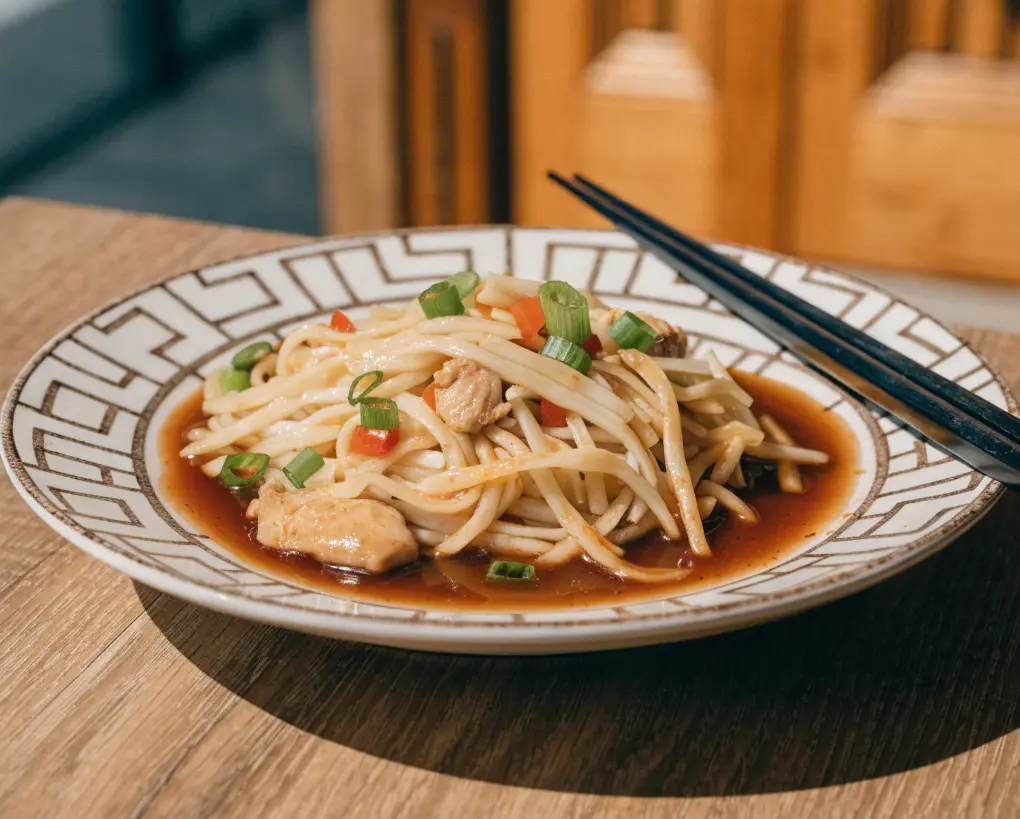
Transfer the cabbage chow mein to a serving plate and finish with sesame seeds.
You can also drizzle a few drops of toasted sesame oil over the top for an extra aromatic finish.
Serve immediately while the cabbage is warm and slightly crisp.
Common Mistakes to Avoid
Even a simple stir-fry can turn out differently depending on how the ingredients are prepared.
Here are a few common mistakes and how to avoid them.
1. Cutting the Cabbage Too Thick
Large pieces take longer to cook and do not create the noodle-like appearance associated with chow mein.
How to avoid it: Use a sharp knife and slice the cabbage into thin, even strips.
2. Adding Wet Cabbage to the Skillet
Water remaining on the cabbage can collect in the bottom of the pan.
How to avoid it: Dry the shredded cabbage thoroughly before cooking.
3. Overcrowding the Pan
Too much cabbage in a small skillet prevents the ingredients from making proper contact with the hot cooking surface.
How to avoid it: Use a large skillet or cook the cabbage in batches.
4. Burning the Garlic
Garlic cooks much faster than cabbage and can burn if left unattended.
How to avoid it: Stir the garlic and ginger continuously and add the cabbage shortly after they become fragrant.
5. Adding Too Much Sauce
Excess sauce can make the finished dish soggy and overpower the natural flavor of the cabbage.
How to avoid it: Measure the sauce ingredients carefully and add extra seasoning gradually.
Delicious Variations of Low Carb Cabbage Chow Mein
One of the best things about this recipe is how easily you can change it.
The basic combination of cabbage, garlic, ginger, and homemade sauce works with several different ingredients.
Low Carb Chicken Cabbage Chow Mein
Chicken is an excellent addition if you want a more substantial stir-fry.
Use approximately 250 grams of boneless chicken breast or thighs.
- Slice the chicken into thin, even strips.
- Heat a little cooking oil in the skillet.
- Cook the chicken until fully cooked.
- Transfer it to a clean plate.
- Prepare the garlic, ginger, and cabbage.
- Return the cooked chicken to the skillet.
- Add the chow mein sauce and toss everything together.
Finish with green onions and sesame seeds.
Shrimp Cabbage Chow Mein
Shrimp brings a delicate seafood flavor that pairs beautifully with garlic, ginger, and sesame oil.
Use approximately 250 grams of peeled and deveined shrimp.
- Heat the skillet with a little oil.
- Add the shrimp in a single layer.
- Cook until the flesh becomes opaque and pearly.
- Transfer the shrimp to a plate.
- Prepare the cabbage as directed.
- Return the shrimp to the skillet before adding the sauce.
- Toss gently and finish with green onions.
Avoid cooking the shrimp for too long because it can become rubbery.
Ground Beef Cabbage Chow Mein
Ground beef is another delicious option.
Brown approximately 250 grams of ground beef in the skillet, breaking it into small pieces as it cooks.
Once fully cooked, remove excess grease if necessary.
Add garlic, ginger, and shredded cabbage. Continue with the original recipe, pouring the sauce over everything toward the end.
The beef adds a rich, savory flavor that works particularly well with mushrooms and green onions.
Vegetarian Cabbage Chow Mein
For a vegetable-based variation, leave out the meat and add your favorite vegetables.
Try combining:
- Sliced mushrooms.
- Red bell peppers.
- Bean sprouts.
- Zucchini.
- Green onions.
- Firm tofu.
Cook the vegetables according to their texture and cooking time.
Use a vegetarian-friendly sauce if your chosen ingredients require it.
Spicy Cabbage Chow Mein
If you enjoy spicy dishes, this variation is easy to prepare.
Add one or more of the following ingredients to the sauce:
- Red chili flakes.
- Chili garlic sauce.
- Fresh sliced red chili.
- A small amount of sriracha.
- Chili oil.
Start with a little and increase the amount until the sauce reaches your preferred level of heat.
Mushroom and Cabbage Chow Mein
Mushrooms provide a deep, savory flavor that works beautifully with cabbage.
Use sliced cremini, button, or shiitake mushrooms.
Cook the mushrooms first to allow some of their moisture to evaporate. Then add the garlic, ginger, and cabbage.
Finish with the homemade sauce and green onions.
Extra Vegetable Cabbage Chow Mein
You can also turn this recipe into a colorful vegetable stir-fry.
Try adding:
- Broccoli florets.
- Red bell peppers.
- Julienned carrots.
- Zucchini strips.
- Snow peas.
- Mushrooms.
- Bean sprouts.
Cut the vegetables into relatively thin pieces so they cook quickly and combine easily with the cabbage.
What to Serve With Cabbage Chow Mein
This homemade cabbage chow mein can be served on its own or alongside other dishes.
If you’re preparing a larger dinner, consider pairing it with one of these options.
Garlic Butter Shrimp
Garlic butter shrimp makes a delicious seafood accompaniment. Its buttery, aromatic flavor complements the sesame and ginger in the cabbage chow mein.
Grilled Chicken
Serve the cabbage stir-fry alongside sliced grilled chicken seasoned with garlic, black pepper, and soy sauce.
Asian-Style Beef
Thinly sliced beef cooked with garlic, ginger, and a savory sauce makes an excellent pairing.
Crispy Tofu
For a vegetable-focused dinner, serve cabbage chow mein with golden pan-fried tofu.
Cucumber Salad
A fresh cucumber salad with rice vinegar, sesame seeds, and sliced green onions provides a refreshing contrast to the warm stir-fry.
Egg Drop Soup
A simple bowl of homemade egg drop soup is another lovely accompaniment when preparing an Asian-inspired dinner.
Cauliflower Rice
If you want something alongside the cabbage chow mein, cauliflower rice is an alternative to traditional steamed rice.
How to Store Leftover Cabbage Chow Mein
If you have leftovers, storing them properly helps preserve their flavor and texture.
Allow the cooked cabbage chow mein to cool slightly, then transfer it to an airtight container.
Place the container in the refrigerator promptly rather than leaving the dish at room temperature for an extended period.
For the best texture, enjoy the leftovers within 3–4 days.
Keep any additional garnishes, such as sesame seeds and fresh green onions, separate if possible. Add them just before serving.
How to Reheat Cabbage Chow Mein
The easiest way to reheat cabbage chow mein is in a skillet.
- Place a skillet over medium heat.
- Add the leftover cabbage chow mein.
- Add a small splash of water if the mixture appears dry.
- Toss gently until heated throughout.
- Add fresh green onions before serving.
You can also use a microwave.
Transfer the leftovers to a microwave-safe container, cover loosely, and heat in short intervals, stirring between each interval.
Avoid reheating the cabbage repeatedly because it can become increasingly soft.
Can You Freeze Cabbage Chow Mein?
Yes, you can freeze cabbage chow mein, although the cabbage will generally become softer after thawing.
If you plan to freeze a portion, allow the dish to cool and divide it into individual servings.
Transfer each portion into a freezer-safe container or resealable freezer bag.
Remove as much excess air as possible, seal tightly, and label with the preparation date.
For the best results, use the frozen portions within approximately 2 months.
When ready to serve, thaw the cabbage chow mein in the refrigerator and reheat it thoroughly in a skillet.
For a better texture, prepare the cabbage fresh whenever possible. If you’re planning meals in advance, storing the sliced cabbage and homemade sauce separately is often a better option.
Frequently Asked Questions
Is Cabbage Chow Mein Low Carb?
Cabbage chow mein replaces traditional wheat noodles with shredded cabbage. The ingredients used in the homemade sauce and any additional vegetables will determine the final carbohydrate content of the dish. Check ingredient labels and adjust the recipe according to your preferences.
Can I Use Cabbage Instead of Noodles in Chow Mein?
Yes! Thinly sliced cabbage works very well as a noodle substitute in chow mein-inspired stir-fries. Once cooked, it becomes tender while retaining a slight crunch. Slice it into long, thin strips to create a noodle-like appearance.
How Do You Make Cabbage Taste Like Chow Mein?
The secret is the sauce. Combine soy sauce, garlic, ginger, toasted sesame oil, and rice vinegar to create the familiar savory flavor associated with chow mein. Stir-frying the cabbage over relatively high heat also helps develop the overall flavor.
What Type of Cabbage Is Best for Chow Mein?
Green cabbage is an excellent choice because its leaves are firm and hold their shape during stir-frying. Napa cabbage is another option if you prefer a softer texture. Keep in mind that Napa cabbage cooks more quickly than green cabbage.
Conclusion
This Low Carb Cabbage Chow Mein is a simple, flavorful way to enjoy the familiar taste of homemade Chinese-inspired stir-fry without traditional noodles. Fresh shredded cabbage, garlic, ginger, green onions, and a savory homemade sauce come together in one skillet to create a delicious dish that’s easy to prepare and customize.