

What Is Takoyaki?
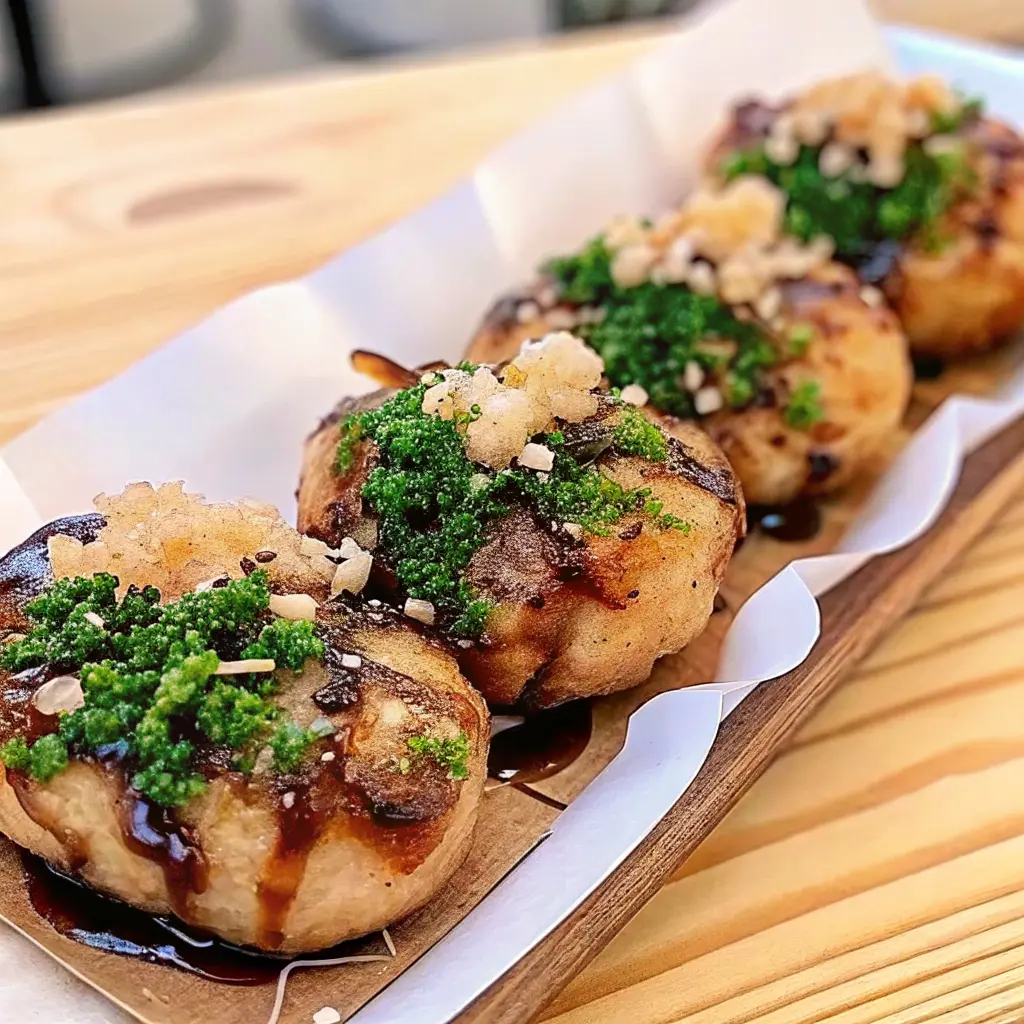
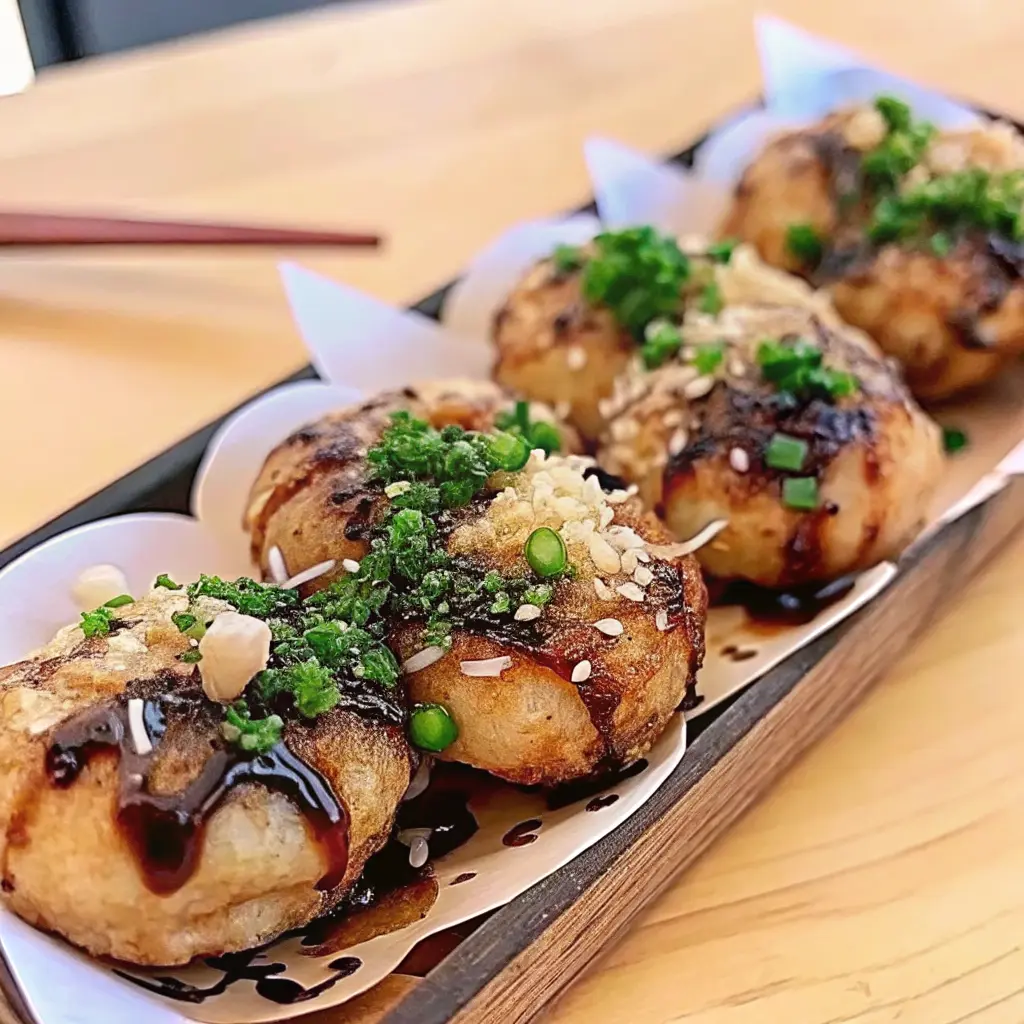
At its core, takoyaki is a ball-shaped, wheat-based batter cooked in a specialized molded pan and filled with small cubes of octopus. The magic lies in the texture: the outside turns beautifully crisp and golden, while the interior stays soft, almost custardy, with pockets of flavorful dashi and umami. Each ball is crowned with a glossy layer of takoyaki sauce, a drizzle of creamy Japanese mayo, a sprinkle of aonori (seaweed flakes), and whisper-light katsuobushi (bonito flakes) that flutter from the heat. Japan Food Guide
Core Ingredients for Authentic Takoyaki
To capture true Osaka-style takoyaki at home, focus on a few essential elements. Each ingredient contributes to the signature bite: crisp edges, silky interior, and layered, savory depth.
1. Batter Base
A great takoyaki batter should be thin, pourable, and rich in dashi flavor:
- Wheat flour
- Dashi (kombu and bonito-based stock)
- Eggs
- Soy sauce
- A pinch of salt
- Optional: light seasoning with mirin or a touch of umami-rich sauce
This loose batter is what creates that soft, custard-like center.
2. Classic Filling
The traditional filling is simple but powerful:
- Boiled octopus (tako), cut into small, juicy cubes
- Tenkasu (crunchy tempura scraps) for texture
- Beni shoga (pickled red ginger) for brightness
- Finely sliced green onions for freshness
Together, these create the signature takoyaki bite: savory, aromatic, and satisfyingly complex.
3. Essential Toppings
No Takoyaki – Japanese Octopus Balls are complete without:
- Takoyaki sauce – thick, tangy, sweet-savory glaze
- Japanese mayonnaise – silky and rich
- Aonori – dried green seaweed flakes
- Katsuobushi – shaved bonito flakes that move gently in the heat
These toppings don’t just add flavor; they create the visual theater that makes takoyaki unforgettable.
Tools & Equipment You’ll Need
You don’t need a restaurant setup, but a few key tools make all the difference:
- Takoyaki pan (preferably cast iron for even heat)
- Reliable heat source (gas stove, dedicated electric takoyaki maker, or induction-compatible pan)
- Skewers, picks, or chopsticks for flipping
- Oil brush or oiler bottle
- Mixing bowls, measuring jugs, and a jug for easy batter pouring
Choosing & Preparing the Octopus
The star of takoyaki is, of course, the tako:
- Use pre-boiled octopus or cook raw octopus gently until just tender.
- Pat dry before cutting to prevent excess moisture in the batter.
- Cut into small, even cubes so every ball has a satisfying bite without tearing the structure.
If octopus is hard to source, you can still create “takoyaki-style” bites with alternative fillings (explored in the variations section), while keeping the same iconic technique and toppings.
Step-by-Step: How to Cook Takoyaki Like a Pro
This is where Takoyaki – Japanese Octopus Balls come to life. Follow this flow and you’ll get perfectly round, golden bites.
1. Heat & Oil the Pan
- Preheat your takoyaki pan over medium-high heat.
- Generously oil each mold and the surface between them.
- The oil should shimmer; a drop of batter should sizzle instantly.
2. The First Pour
- Fill each mold completely and let the batter overflow slightly, creating a connected sheet.
- This “excess batter” is not a mistake—it helps form smooth, round balls later.
3. Add the Fillings
Quickly drop into each mold:
- 1 cube of octopus
- A pinch of tenkasu
- A few bits of beni shoga
- A sprinkle of green onion
Work fast so everything starts cooking evenly.
4. First Turn & Shaping
After a short cook:
- Use a skewer to cut between the molds.
- Rotate each ball about 90 degrees, tucking loose batter inside.
- Keep turning in small increments, guiding any surrounding batter into the molds.
This technique creates:
- A crisp, even exterior
- A soft, gooey interior
- A perfectly round, photo-worthy shape
5. Crisping & Finishing
- Lower the heat slightly once the shape is formed.
- Continue turning until deep golden and crisp.
- Transfer to a serving tray or traditional boat.
Top immediately with:
- Takoyaki sauce
- Zigzags of mayo
- A shower of aonori
- A generous pinch of katsuobushi
Serve piping hot—they’re meant to be enjoyed while just on the edge of too hot to handle.
Creative Fillings & Flavor Variations
Once you’ve mastered classic Takoyaki – Japanese Octopus Balls, have fun with fillings:
- Cheese takoyaki – melty cubes of cheese with or without octopus
- Seafood mix – shrimp, squid, or crab sticks
- Smoky or spicy – bacon, chorizo, shichimi togarashi, chili mayo
- Fusion – kimchi, corn, caramelized onions, teriyaki chicken
- Vegetarian-style – mushrooms, mochi, spring onions, crispy onions
Tips for successful variations:
- Keep fillings small and light.
- Don’t overfill; balance batter and toppings.
- Stick with bold, savory flavors that stand up to sauce and mayo.
Serving Ideas & Pairings
Make your takoyaki spread feel like a real street-food stand:
- Serve in small paper boats or on wooden skewers.
- Sprinkle extra green onion, aonori, and katsuobushi tableside.
- Offer multiple sauces:
- Classic takoyaki sauce
- Spicy mayo
- Soy-garlic glaze
- Yuzu-kosho mayo for a citrus-spiced kick
- Pair with simple, refreshing drinks or other Japanese-inspired snacks like edamame, karaage-style bites, or okonomiyaki-style fries.
Create contrast in flavors and textures so the takoyaki stays the star of the table.
Make-Ahead, Storage & Reheating
If you’re planning a party, you can batch-cook takoyaki in advance:
- Let cooked balls cool completely on a rack.
- Store in an airtight container in the fridge or freeze on a tray, then bag.
- Reheat:
- In a hot pan with a touch of oil for re-crisping
- In an oven or air fryer until the exterior is hot and crisp again
Troubleshooting: Fixing Common Takoyaki Problems
If your first batch isn’t perfect, use this quick guide:
- Balls won’t turn / fall apart
- Pan not hot enough
- Not enough oil
- You tried flipping too early
- Too dense or cakey
- Batter too thick
- Not enough dashi
- Overmixing
- Pale, soft exterior
- Increase heat slightly
- Add a bit more oil initially
- Burnt outside, raw center
- Heat too high
- Turn more frequently and lower the flame once shaped
- Sticking to the pan
- Pan under-oiled or not fully preheated
- Non-stick coating damaged—switch pans if needed
Adjusting one or two elements is usually all it takes to move from frustrating to flawless.
FAQs About Takoyaki – Japanese Octopus Balls
What is takoyaki made of?
A loose, dashi-based flour batter filled with small octopus cubes, tenkasu, green onion, and beni shoga, cooked in a special pan and topped with sauce, mayo, aonori, and katsuobushi.
Does takoyaki always have octopus?
Traditionally yes, but at home you can create takoyaki-style balls with shrimp, crab sticks, cheese, mushrooms, or other fillings while using the same batter and technique.
What does takoyaki taste like?
Richly savory and deeply umami, with a soft, creamy center, a crisp shell, and layers of flavor from dashi, sauce, mayo, and toppings.
Do I really need a takoyaki pan?
For authentic round Takoyaki – Japanese Octopus Balls, yes. Without it, you can only approximate the flavor and shape. A proper pan makes turning easier and results more consistent.
Why are my takoyaki not round?
You may be flipping too soon, using batter that’s too thick, or not letting the excess batter fold in. Keep practicing the gradual turn method and ensure the pan is well-oiled.
Conclusion
Takoyaki – Japanese Octopus Balls capture everything people love about Japanese street food: sizzling sound, dramatic toppings, sharing straight from the pan, and endless ways to personalize each bite. With a simple pan, a well-balanced dashi batter, and a bit of flipping practice, you can turn your kitchen into your own mini yatai.
Print
Takoyaki – Japanese Octopus Balls
- Total Time: PT30M
- Yield: 4 servings 1x
Description
Takoyaki is a beloved Japanese street food — golden, crispy round balls filled with tender octopus, scallions, and tempura bits, all drizzled with savory sauces. Made with a special takoyaki pan, these bite-sized delights are fun to cook and even more fun to eat!
Ingredients
For the Batter:
- 1 cup all-purpose flour
- 2 large eggs
- 2 cups dashi broth (or water + dashi powder)
- 1 tsp soy sauce
- ½ tsp baking powder
- Pinch of salt
For the Filling:
- ½ cup cooked octopus, diced
- ¼ cup finely chopped green onions
- 2 tbsp tenkasu (tempura bits)
- Pickled red ginger (optional)
For Topping:
- Takoyaki sauce (or okonomiyaki sauce)
- Japanese mayonnaise
- Aonori (seaweed flakes)
- Katsuobushi (bonito flakes)
Instructions
- Prepare the batter
- In a large bowl, whisk together flour, eggs, dashi, soy sauce, baking powder, and salt until smooth.
- Preheat the takoyaki pan
- Heat your takoyaki pan over medium heat and lightly oil each well.
- Fill the wells
- Pour batter into each well until slightly overflowing.
- Add a few pieces of octopus, scallions, tempura bits, and pickled ginger into each one.
- Turn the takoyaki
- After 1–2 minutes, when the edges start to set, use skewers to flip the balls a quarter turn.
- Keep rotating every minute to achieve a perfectly round, golden shape. Cook for 7–8 minutes total.
- Serve hot
- Transfer to a plate and top with takoyaki sauce, mayonnaise, aonori, and bonito flakes.
- Prep Time: PT15M
- Cook Time: PT15M
- Category: Appetizer
- Method: Pan-Fried
- Cuisine: Japanese
Nutrition
- Serving Size: 6 takoyaki balls
- Calories: 280kcal
- Sugar: 3g
- Sodium: 540mg
- Fat: 13g
- Saturated Fat: 2g
- Unsaturated Fat: 9g
- Trans Fat: 0g
- Carbohydrates: 28g
- Fiber: 1g
- Protein: 11g
- Cholesterol: 85mg