
What Is Coconut Cream Sunday Cake?
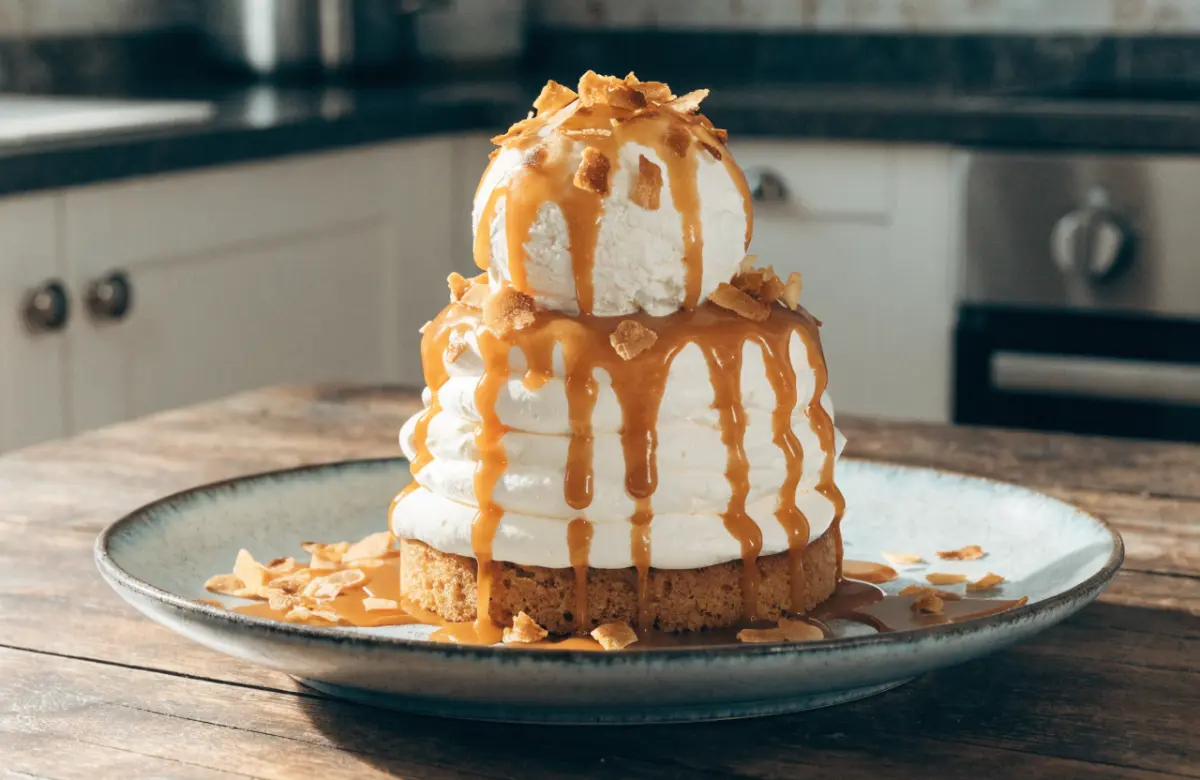
Coconut Cream Sunday Cake is a rich, elegant layer cake that celebrates the sweet, tropical flavor of coconut. Unlike a standard coconut cake, this version focuses on a deeply moist crumb and a creamy frosting that highlights the luxurious texture of coconut cream. It’s often served as a centerpiece dessert for Sunday lunches, family dinners, holidays, and celebrations.
The name “Sunday Cake” evokes the tradition of gathering with family and friends over a homemade meal, ending with a dessert that feels special without being overly complicated. This cake captures that spirit perfectly by combining familiar pantry staples with the indulgent taste of coconut.
What makes this coconut cream cake stand out is the balance of textures:
- A soft, buttery cake base
- A smooth and creamy frosting
- Layers of shredded coconut throughout
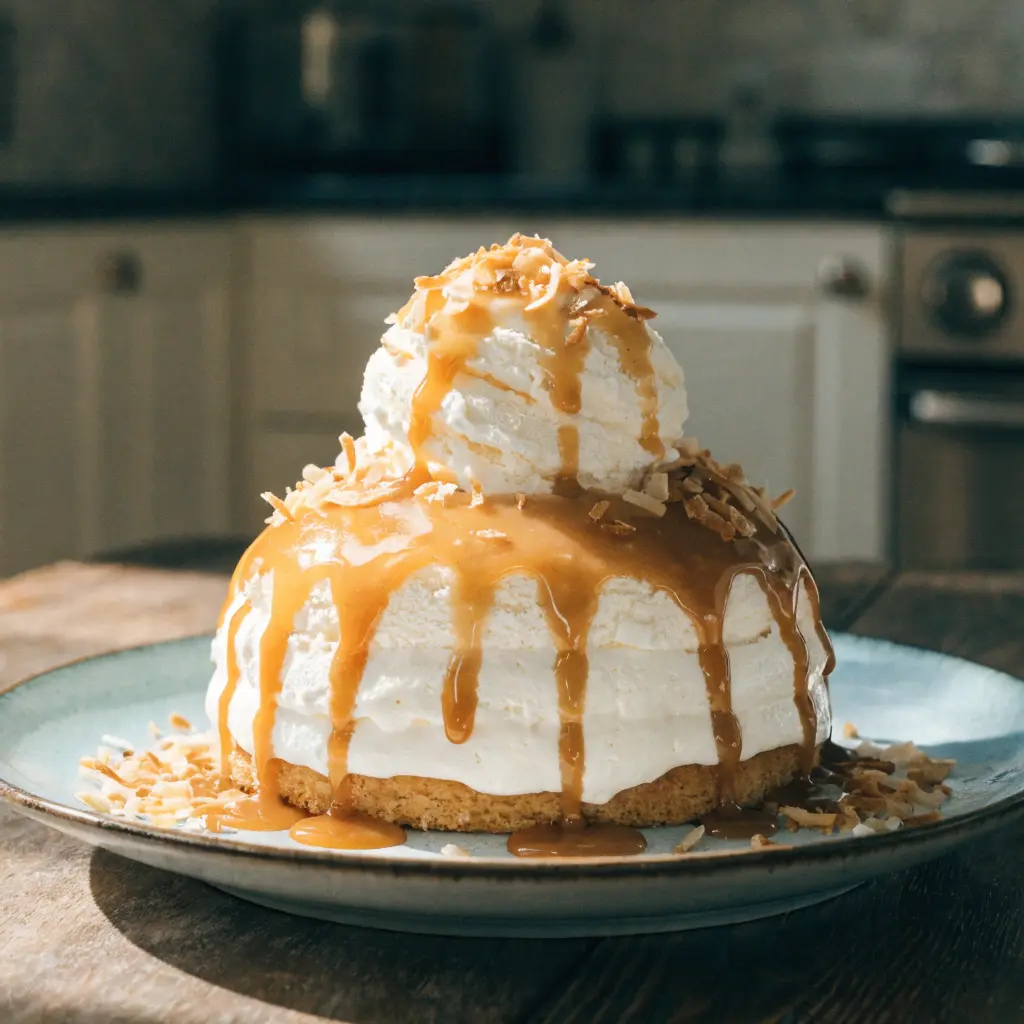
- A beautiful finish of toasted coconut on the outside
The result is a cake that looks impressive, slices beautifully, and offers the perfect blend of sweetness and coconut flavor in every bite.
Why You’ll Love This Recipe
There are countless cake recipes available, but this Coconut Cream Sunday Cake stands out for many reasons.
1. It Has an Incredibly Moist Crumb
The combination of coconut milk, coconut cream, and sour cream creates a cake that stays soft and tender for days. Every slice has a rich texture that makes it feel homemade in the best possible way.
2. It Delivers Real Coconut Flavor
Many recipes rely on a single coconut ingredient, but this cake uses multiple layers of flavor:
- Coconut milk in the batter
- Coconut cream in the frosting
- Shredded coconut throughout the cake
- Toasted coconut for garnish
- A touch of coconut extract for extra depth
This layered approach gives the cake its signature taste.
3. It’s Perfect for Any Occasion
Serve this celebration cake for:
- Sunday family dinners
- Birthdays
- Easter brunch
- Mother’s Day gatherings
- Baby showers
- Potlucks
- Holiday dessert tables
4. It’s Beginner Friendly
Even if you’re new to baking layer cakes, the step-by-step process makes this recipe easy to follow. With a few simple techniques, you can create a cake that looks like it came from a bakery.
5. It Can Be Made Ahead
This make-ahead dessert actually tastes even better after the flavors have had time to develop, making it ideal for entertaining.
Ingredients You’ll Need
The secret to an unforgettable Coconut Cream Sunday Cake lies in using quality ingredients and combining them properly.
Dry Ingredients
- 3 cups all-purpose flour
- 2 teaspoons baking powder
- 1/2 teaspoon baking soda
- 1/2 teaspoon salt
- 2 cups granulated sugar
Wet Ingredients
- 1 cup unsalted butter, softened
- 4 large eggs, room temperature
- 1 teaspoon vanilla extract
- 1 teaspoon coconut extract
- 1 cup full-fat coconut milk
- 1/2 cup sour cream
Coconut Ingredients
- 1 1/2 cups sweetened shredded coconut
- 1 cup unsweetened shredded coconut
- 1/2 cup coconut cream
Coconut Cream Frosting Ingredients
- 8 ounces cream cheese, softened
- 1 cup unsalted butter, softened
- 4 cups powdered sugar
- 1/3 cup coconut cream
- 1 teaspoon vanilla extract
- 1/2 teaspoon coconut extract
Optional Garnishes
- Toasted coconut flakes
- Fresh coconut shavings
- White chocolate curls
- Maraschino cherries
- Whipped cream rosettes
- Lime zest
Kitchen Equipment
Having the right tools makes baking this bakery-style coconut cake much easier.
Essential Equipment
- Two 9-inch round cake pans
- Mixing bowls
- Electric hand mixer or stand mixer
- Measuring cups and spoons
- Rubber spatula
- Whisk
- Cooling rack
- Offset spatula
- Cake turntable (optional)
- Parchment paper
Helpful Extras
- Bench scraper for smooth frosting
- Fine mesh sieve for dry ingredients
- Digital kitchen scale for precise measuring
- Serrated knife for leveling cake layers
Step-by-Step Instructions
Making this moist coconut cake is easier than you might think. Follow these steps for a flawless start.
Step 1: Prepare the Oven and Cake Pans
Preheat your oven to 350°F (175°C).
Prepare the cake pans by:
- Greasing the bottoms and sides
- Lining the bottoms with parchment paper
- Lightly flouring the pans
- Tapping out any excess flour
Proper pan preparation helps the cakes release easily after baking.
Step 2: Mix the Dry Ingredients
In a medium bowl, whisk together:
- Flour
- Baking powder
- Baking soda
- Salt
Whisking the dry ingredients helps distribute the leavening agents evenly, resulting in a more consistent cake texture.
Set the bowl aside while you prepare the wet ingredients.
Step 3: Cream the Butter and Sugar
In a large mixing bowl, beat the softened butter and sugar together on medium speed for 3 to 5 minutes.
You’re looking for a mixture that is:
- Light in color
- Fluffy in texture
- Smooth and creamy
This step is essential because it creates air pockets that help the cake bake up light and tender.
Step 4: Add the Eggs One at a Time
Add the eggs one at a time, mixing well after each addition.
This gradual process:
- Helps maintain a smooth batter
- Prevents the mixture from curdling
- Creates a stable base for the remaining ingredients
Once the eggs are incorporated, mix in:
- Vanilla extract
- Coconut extract
The aroma at this stage is the first sign of the delicious coconut dessert to come.
Step 5: Incorporate the Coconut Milk and Dry Ingredients
Reduce the mixer speed to low.
Add the dry ingredients in three additions, alternating with the coconut milk and sour cream:
- Add one-third of the dry ingredients.
- Add half the coconut milk.
- Add another third of the dry ingredients.
- Add the sour cream and remaining coconut milk.
- Finish with the remaining dry ingredients.
Mix only until combined to avoid overworking the batter.
At this point, the batter should be:
- Thick but smooth
- Rich and creamy
- Lightly scented with coconut and vanilla
Step 6: Fold in the Coconut
Using a rubber spatula, gently fold in:
- Sweetened shredded coconut
- Unsweetened shredded coconut
Folding instead of mixing preserves the air in the batter and ensures an even distribution of coconut throughout the cake.
Step 7: Fill the Cake Pans
Divide the batter evenly between the prepared cake pans.
For best results:
- Use a kitchen scale for even layers
- Smooth the tops with an offset spatula
- Tap the pans gently on the counter to release air bubbles
Step 8: Bake the Cake Layers
Place the cake pans on the center rack of your preheated oven and bake for 30–35 minutes, or until the cakes are golden and spring back lightly when touched.
To check for doneness:
- Insert a toothpick into the center.
- If it comes out clean or with a few moist crumbs, the cakes are ready.
- Avoid opening the oven door during the first 25 minutes, as this can cause the cakes to sink.
Once baked, remove the pans from the oven and let them cool for 10–15 minutes.
Step 9: Cool Completely
Run a butter knife around the edges of each cake.
Carefully invert the cakes onto a cooling rack and peel away the parchment paper.
Allow the layers to cool completely before frosting. Frosting a warm cake will cause the frosting to melt and slide off.
While the cakes cool, prepare the coconut cream frosting.
Step 10: Make the Coconut Cream Frosting
In a large mixing bowl, beat together:
- 8 ounces softened cream cheese
- 1 cup softened unsalted butter
Mix for 3–4 minutes until light and creamy.
Gradually add:
- Powdered sugar
- Coconut cream
- Vanilla extract
- Coconut extract
Continue beating until the frosting becomes smooth, fluffy, and easy to spread.
If it seems too soft, chill it in the refrigerator for 15–20 minutes before assembling the cake.
Step 11: Assemble the Cake
Place one cake layer on a serving plate or cake stand.
Spread a generous layer of frosting evenly across the top.
Add the second cake layer and gently press it into place.
Apply a thin crumb coat over the entire cake and refrigerate for 20 minutes.
Once chilled, spread the remaining frosting over the top and sides until smooth.
Step 12: Decorate Like a Bakery Cake
This is where your Coconut Cream Sunday Cake truly comes to life.
Decorate with your favorite toppings:
- Toasted coconut flakes
- Shredded coconut
- White chocolate curls
- Whipped cream rosettes
- Fresh coconut ribbons
- Lime zest
- Maraschino cherries
For an elegant finish, gently press toasted coconut around the sides of the cake using clean hands or an offset spatula.
Refrigerate for 30 minutes before slicing to help the frosting set beautifully.
Common Mistakes
Avoid these common baking mistakes to ensure perfect results every time.
Overbaking
Leaving the cake in the oven too long can make it dry.
Always start checking for doneness a few minutes before the recommended baking time.
Using Cold Ingredients
Cold butter and eggs don’t combine properly and can create a lumpy batter.
Always allow ingredients to reach room temperature.
Overmixing the Batter
Overmixing creates excess gluten, making the cake dense instead of soft.
Mix only until no dry flour remains.
Frosting a Warm Cake
Even slightly warm cake layers will melt the frosting.
Be patient and cool the layers completely.
Using Too Much Coconut Extract
A little goes a long way.
Too much extract can overpower the delicate coconut flavor.
Skipping the Crumb Coat
A crumb coat seals loose crumbs before applying the final frosting layer, giving your cake a polished appearance.
Delicious Variations
One of the best things about this recipe is how easily it can be customized.
Pineapple Coconut Cream Cake
Add crushed pineapple between the cake layers for a tropical twist.
Lemon Coconut Cake
Mix fresh lemon zest into both the batter and frosting for a bright citrus flavor.
Chocolate Coconut Cake
Add cocoa powder to the batter and decorate with chocolate curls.
Almond Coconut Cake
Replace the vanilla extract with almond extract and sprinkle sliced almonds over the frosting.
Berry Coconut Cake
Layer fresh strawberries, raspberries, or blueberries between the cake layers.
Coconut Sheet Cake
Bake the batter in a 9×13-inch pan for an easy family-style dessert.
Coconut Cupcakes
Turn this recipe into cupcakes by reducing the baking time to 18–22 minutes.
Triple Coconut Cake
Increase the coconut flavor by adding coconut flakes to the batter, filling, and frosting.
Best Frostings and Toppings
While the classic coconut cream frosting is hard to beat, there are plenty of delicious alternatives.
Frosting Ideas
- Cream cheese frosting
- Coconut buttercream
- Whipped coconut frosting
- Vanilla buttercream
- White chocolate frosting
Beautiful Toppings
- Toasted coconut flakes
- Sweetened shredded coconut
- Fresh coconut ribbons
- White chocolate curls
- Edible flowers
- Lime zest
- Chopped macadamia nuts
- Candied coconut chips
- Fresh berries
- Whipped cream
Mix and match toppings to create a cake that’s uniquely yours.
Serving Suggestions
Coconut Cream Sunday Cake is perfect for nearly every celebration.
Serve it:
- At Sunday family dinners
- During Easter brunch
- For birthdays
- At bridal showers
- At baby showers
- During afternoon tea
- At holiday dessert tables
- For Mother’s Day
- At summer parties
- During weekend gatherings
Pair each slice with:
- Fresh tropical fruit
- Iced coffee
- Hot coffee
- Black tea
- Vanilla ice cream
- Fresh whipped cream
Storage Instructions
To keep your cake tasting its best:
- Store covered in an airtight cake container.
- Refrigerate because of the cream cheese frosting.
- Keep away from strong-smelling foods.
- Slice only what you’ll serve to help maintain freshness.
Properly stored, the cake stays delicious for 4–5 days.
Freezing Guide
This cake freezes beautifully.
Freeze Whole Layers
Wrap unfrosted cake layers tightly in plastic wrap followed by aluminum foil.
Freeze for up to 3 months.
Freeze Individual Slices
Wrap each slice separately before placing them into a freezer-safe container.
This makes it easy to enjoy a slice whenever you’d like.
Thawing
Transfer the cake to the refrigerator overnight.
Allow it to sit at room temperature for about 20 minutes before serving.
Make-Ahead Tips
Planning ahead makes entertaining much easier.
You can:
- Bake the cake layers 2 days ahead.
- Prepare the frosting 1 day in advance.
- Toast the coconut several days early.
- Assemble the cake the night before serving.
- Decorate shortly before serving for the freshest appearance.
The flavors become even more delicious after resting overnight.
Frequently Asked Questions
Can I use coconut milk instead of regular milk?
Yes. Full-fat coconut milk gives the cake a richer coconut flavor and a wonderfully tender texture.
What’s the difference between coconut cream and coconut milk?
Coconut cream is thicker and richer, making it ideal for frostings, while coconut milk is lighter and works perfectly in cake batter.
Can I make this cake ahead of time?
Absolutely.
Many bakers prepare the cake a day in advance because the flavors become even better after resting overnight.
Can I freeze the finished cake?
Yes.
Freeze either the entire cake or individual slices for up to 3 months.
How do I keep coconut cake moist?
Avoid overbaking, measure ingredients accurately, and keep the cake covered when storing.
Conclusion
If you’re looking for a dessert that’s elegant, comforting, and full of tropical flavor, Coconut Cream Sunday Cake is a recipe you’ll want to make again and again. Its soft, tender layers, rich coconut cream frosting, and beautiful toasted coconut finish create a stunning centerpiece for everything from casual Sunday dinners to festive celebrations.