
What Is Brazilian Carrot Cake Recipe?
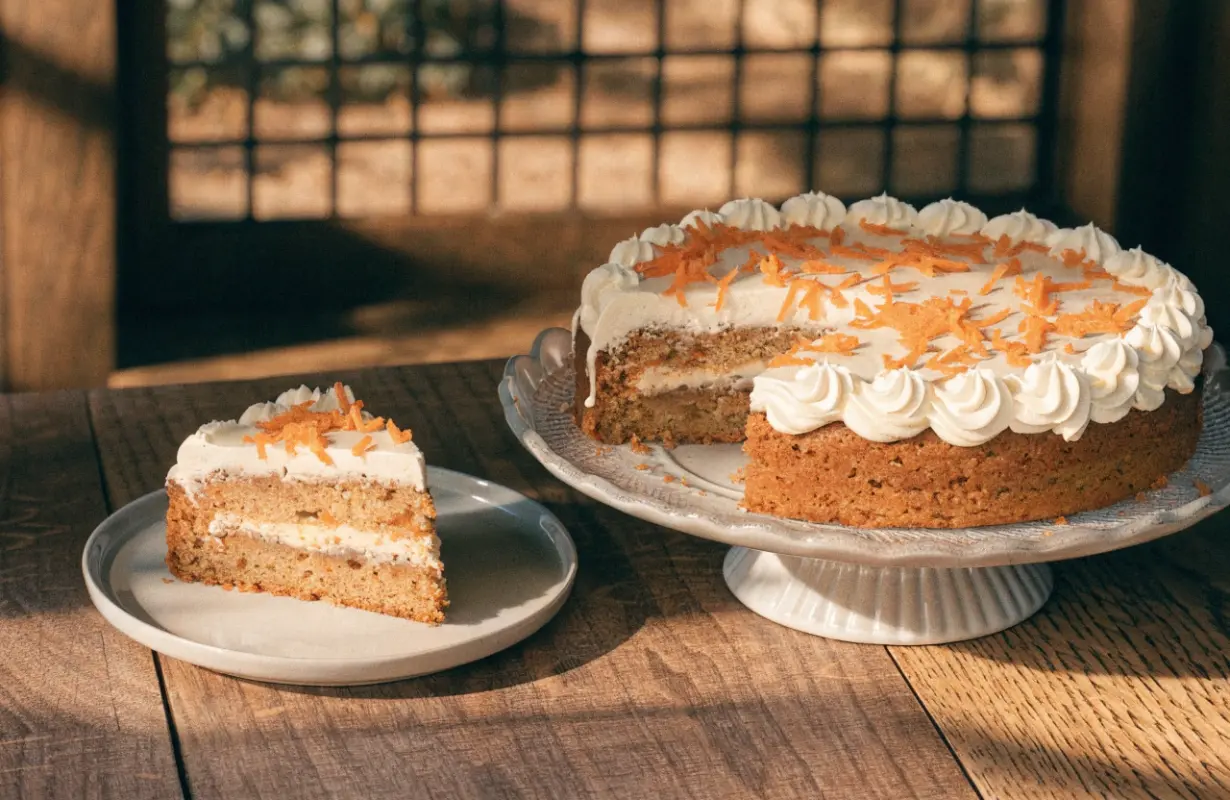
Brazilian carrot cake, or bolo de cenoura, is a traditional Brazilian cake made by blending carrots with eggs, oil, and other batter ingredients. The result is a distinctive orange cake with a smooth crumb and a mild, naturally sweet carrot flavor.
The traditional preparation differs from many American carrot cake recipes in several ways:
- Blended carrots: The carrots are puréed instead of simply grated into the batter.
- A smooth cake texture: Properly blended carrots create an even orange color throughout the cake.
- A simple ingredient list: The batter usually contains flour, sugar, eggs, oil, carrots, and baking powder.
- Chocolate topping: A cocoa-based glaze or chocolate icing is commonly poured over the finished cake.
- Everyday appeal: It is a popular choice for afternoon snacks, family gatherings, and casual desserts.
The chocolate topping is an especially recognizable feature. Depending on the recipe, it may be glossy and pourable, slightly fudgy, or firm enough to develop a delicate crust as it cools.
Ingredients for Brazilian Carrot Cake Recipe
This recipe uses familiar ingredients to create a soft, orange-colored sponge with a simple chocolate topping. Measure the carrots carefully because using too much can change the consistency of the batter.
Ingredients for the Cake Batter
- 250 g carrots: Approximately 2–3 medium carrots, peeled and chopped.
- 3 large eggs: Help bind the ingredients and give the batter structure.
- 180 ml neutral vegetable oil: Canola or sunflower oil works well.
- 300 g granulated sugar: Provides sweetness and contributes to the cake’s texture.
- 280 g all-purpose flour: Forms the structure of the cake.
- 12 g baking powder: Helps the cake rise during baking.
- 1/4 teaspoon salt: Balances the sweetness.
- 1 teaspoon vanilla extract, optional: Adds a subtle aromatic note.
Ingredients for the Chocolate Glaze
- 100 g granulated sugar
- 25 g unsweetened cocoa powder
- 30 g unsalted butter
- 60 ml milk
- Chocolate sprinkles, optional: For decorating the finished cake.
This glaze is designed to be poured over the cake and allowed to cool. It is different from a brigadeiro-style topping, which typically uses sweetened condensed milk and cooks to a thicker consistency.
Ingredient Substitutions
If you need to make a few adjustments, consider these options:
- Vegetable oil: Substitute canola or sunflower oil with another neutral-flavored oil.
- Granulated sugar: Caster sugar can be used in the same quantity by weight.
- All-purpose flour: A suitable gluten-free baking blend may work, although the cake’s texture can change.
- Milk: A compatible unsweetened plant-based milk can be used in the glaze.
- Cocoa powder: Use unsweetened cocoa powder for a balanced chocolate flavor. Sweetened drinking chocolate may make the topping considerably sweeter.
For the most predictable results, follow the stated measurements and change only one ingredient at a time.
Equipment You Will Need
Preparing your equipment before mixing makes the process easier and helps prevent common baking problems.
- Blender: Essential for creating a smooth carrot mixture.
- Mixing bowl: Large enough to hold the batter comfortably.
- Kitchen scale: Particularly useful for measuring carrots and flour.
- Measuring spoons and jug: Help measure smaller quantities accurately.
- Flexible spatula or wooden spoon: Useful for folding in the flour and baking powder.
- Cake pan: A round, square, or ring-shaped pan can work.
- Wire cooling rack: Allows the cake to cool before glazing.
- Small saucepan and whisk: Needed to prepare the chocolate glaze.
For this recipe, use a greased and floured 23 cm / 9-inch round cake pan or a comparable pan with sufficient capacity. If you choose a deep ring pan, the baking time may differ.
How to Make Brazilian Carrot Cake Recipe Step by Step
Follow these instructions for a smooth batter, a well-risen cake, and a chocolate topping that spreads evenly.
Step 1: Prepare the Carrots
Peel the carrots and cut them into small, even pieces.
Weigh the prepared carrots and measure approximately 250 g for this recipe. Using the correct amount is important because carrots contribute both flavor and moisture to the batter.
Avoid adding extra carrots simply because you have them available. Too much carrot can make the batter heavy and prevent the cake from developing its intended texture.
Set the chopped carrots aside while you prepare the other ingredients.
Step 2: Preheat the Oven and Prepare the Pan
Preheat your oven to 180°C / 350°F.
Grease the inside of your cake pan thoroughly with butter or oil, paying attention to the corners, grooves, and sides. Dust the pan lightly with flour, then tap out the excess.
If you are using a ring-shaped pan, make sure the central tube is coated as well. This helps the finished cake release more easily.
Place the prepared pan near your mixing area so you can transfer the batter as soon as it is ready.
Step 3: Blend the Wet Ingredients
Add the chopped carrots, eggs, vegetable oil, and sugar to your blender.
Blend until the mixture becomes smooth and evenly colored. Depending on your blender, this may take approximately two to five minutes.
Stop the blender when necessary to scrape down the sides and help any remaining carrot pieces reach the blades.
The mixture should resemble a thick orange liquid, with no obvious chunks of carrot. This step is one of the defining techniques in an authentic-style Brazilian carrot cake recipe.
If the blender struggles, check that the carrot pieces are small enough and process the mixture in manageable batches. Avoid adding unnecessary liquid.
Step 4: Combine the Dry Ingredients
In a large mixing bowl, combine the all-purpose flour and salt.
Pour the blended carrot mixture into the bowl. Stir gently with a spatula or whisk until the ingredients begin to come together.
Add the flour gradually if that makes the batter easier to mix. Scrape the bottom and sides of the bowl to ensure that no dry flour remains hidden.
The batter should be evenly colored and relatively smooth. A few small air bubbles are normal.
Step 5: Add the Baking Powder
Sprinkle the baking powder over the batter and fold it in gently.
Avoid vigorous mixing once the flour has been added. Excessive mixing can develop the flour’s gluten and contribute to a tougher cake.
Continue folding just until the baking powder is evenly distributed. Check the bottom of the bowl for any unmixed ingredients.
The finished batter should be pourable without being excessively thin.
Step 6: Transfer the Batter to the Pan
Pour the batter into your prepared cake pan.
Use a spatula to distribute it evenly, then gently level the surface. If needed, tap the pan lightly on the countertop to release any unusually large air pockets.
Do not fill the pan to the very top. Leave sufficient room for the cake to rise.
Transfer the pan to the preheated oven promptly so that the leavening process is not unnecessarily delayed.
Step 7: Bake the Cake
Bake for approximately 35–45 minutes, depending on your pan and oven.
Avoid opening the oven door repeatedly during the early stages of baking. Sudden temperature changes can interfere with the cake’s rise.
As the cake bakes, the surface should become set and lightly golden, while the interior develops its characteristic orange color.
Begin checking for doneness after about 35 minutes. If the cake is not ready, continue baking in short intervals.
Step 8: Check Whether the Cake Is Done
Insert a clean toothpick or wooden skewer into the center of the cake.
- If it comes out clean or with a few moist crumbs, the cake is generally ready.
- If it comes out covered in wet batter, continue baking.
- If the top is browning too quickly while the center remains underbaked, consider loosely covering the surface with foil and continuing to bake.
The exact timing depends on the depth of the pan and your oven’s performance, so use the toothpick test alongside the suggested baking time.
Step 9: Cool Before Removing the Cake
Remove the cake from the oven and allow it to rest in the pan for approximately 10–15 minutes.
Carefully loosen the edges if necessary, then turn the cake out onto a wire rack.
Allow it to cool before adding the glaze. A very hot cake may cause the chocolate topping to run off or soak into the surface too quickly.
Cooling also makes the cake easier to handle when transferring it to a serving plate.
Common Brazilian Carrot Cake Problems and How to Fix Them
Even a simple recipe can produce different results depending on measurements, equipment, and oven temperature. Here are common issues and practical solutions.
Why Is My Brazilian Carrot Cake Dense?
A dense cake can result from too many carrots, excess liquid, inaccurate flour measurements, overmixing, or insufficient baking.
To improve the result:
- Weigh the carrots before blending.
- Measure the flour accurately.
- Blend the wet ingredients until smooth.
- Fold the flour in gently.
- Confirm that the center is fully baked.
Why Did My Carrot Cake Sink in the Middle?
A sunken center may indicate that the cake was removed too early, the oven temperature was incorrect, or the batter contained too much moisture.
Make sure the center is baked before removing the cake. Avoid opening the oven door repeatedly while the cake is rising.
Why Didn’t My Cake Rise?
Check the freshness of the baking powder and confirm that the oven was fully preheated.
Mix the baking powder evenly into the batter and transfer the cake to the oven promptly after mixing.
Why Is My Cake Dry?
Overbaking and inaccurate measurements are common causes.
Begin checking the cake near the lower end of the suggested baking window. Measure flour and oil carefully, and avoid leaving the cake in the oven longer than necessary.
Why Did My Cake Stick to the Pan?
Insufficient greasing, missed grooves, and premature unmolding can cause sticking.
Coat the entire pan with grease and flour before adding the batter. Allow the cake to rest briefly after baking, then loosen it carefully before turning it out.
Why Is My Chocolate Glaze Too Runny?
The mixture may need additional cooking time, or the proportions of liquid and sugar may be incorrect.
Return it to low heat and stir until it thickens slightly. Remember that it will continue to thicken as it cools.
Brazilian Carrot Cake Variations
Although the classic version is delicious on its own, you can adapt the recipe to suit your equipment, preferred presentation, or available ingredients.
Brazilian Carrot Cake Without a Blender
If you do not have a blender, finely grate the carrots and mix them with the wet ingredients.
The result may be slightly different because grated carrots do not create the same smooth purée. Use very fine grating and distribute the carrots evenly throughout the batter.
Avoid substituting roughly chopped carrots, as they may not soften sufficiently during baking.
Brazilian Carrot Cake Without Chocolate Glaze
You can serve the cake plain if you prefer a simpler finish.
Other options include:
- A light dusting of powdered sugar.
- A thin drizzle of melted chocolate.
- A simple vanilla icing.
- A small spoonful of chocolate sauce added to each serving.
Chocolate glaze remains the traditional pairing for many versions of bolo de cenoura, but the cake can still be enjoyed without it.
Gluten-Free Brazilian Carrot Cake
Replace the all-purpose flour with a gluten-free baking blend designed for cakes.
Choose a blend that includes appropriate binding ingredients when required, and follow its instructions for substitutions. The batter may behave differently, so avoid assuming that every flour blend will produce an identical result.
Dairy-Free Brazilian Carrot Cake
The cake batter in this recipe uses vegetable oil rather than butter. For a dairy-free version, use a suitable plant-based milk and dairy-free butter alternative in the glaze.
Check the ingredients of your cocoa powder, chocolate decorations, and other packaged products to ensure that they match your requirements.
How to Store, Freeze, and Serve Brazilian Carrot Cake
Correct storage helps maintain the cake’s texture and keeps the glaze in good condition.
Storing at Room Temperature
If the cake and its topping are suitable for room-temperature storage, keep them covered in an airtight container away from direct sunlight and heat.
Avoid leaving the cake uncovered, as the exposed surface may dry out.
Follow food-safety recommendations for the specific ingredients in your glaze. Toppings containing perishable ingredients may require refrigeration.
Refrigerating Leftovers
Place leftover cake in a covered container and refrigerate it when required by the glaze ingredients or the applicable storage guidance.
Before serving, allow the cake to sit briefly at room temperature if appropriate. This can make the sponge and chocolate topping easier to enjoy.
Freezing Brazilian Carrot Cake
The cake can generally be frozen once it has cooled completely.
For best results:
- Wrap individual slices or the whole cake tightly.
- Use a freezer-safe container or suitable wrapping.
- Label the package with the date.
- Freeze the cake without the glaze when convenient.
- Thaw it safely before decorating.
Adding fresh glaze after thawing can produce a neater finish.
Serving Leftovers
Serve the cake at room temperature or warm an individual slice gently if desired.
Avoid excessive reheating, which may dry out the sponge or cause the chocolate topping to melt unevenly.
What to Serve With Brazilian Carrot Cake
The cake is versatile enough for casual afternoon snacks, coffee breaks, and dessert tables.
Consider these serving ideas:
- Brazilian-style coffee: A small cup of coffee complements the chocolate glaze.
- Espresso: Its bold flavor provides a contrast to the sweet cake.
- Black tea: A straightforward pairing for an afternoon snack.
- Chocolate sprinkles: An easy way to decorate the glaze.
- Chocolate shavings: A simple finishing touch for a more polished presentation.
For gatherings, cut the cake into even slices and arrange them on a serving platter. If you use a ring-shaped pan, the central opening can be filled with a small bowl of extra chocolate sauce for guests who want additional topping.
Frequently Asked Questions About Brazilian Carrot Cake
1. What Is Brazilian Carrot Cake Made Of?
Brazilian carrot cake is typically made with carrots, eggs, vegetable oil, sugar, flour, and baking powder. It is often finished with a cocoa-based chocolate glaze or another style of chocolate topping.
2. What Makes Brazilian Carrot Cake Different From American Carrot Cake?
Brazilian bolo de cenoura typically uses blended carrots to create a smooth orange sponge and is commonly topped with chocolate glaze. American carrot cake more often uses grated carrots and may include spices, nuts, raisins, or cream cheese frosting.
3. Why Do You Blend the Carrots Instead of Grating Them?
Blending creates a smooth carrot purée that distributes evenly throughout the batter. This gives the cake its characteristic color and texture and eliminates the need to grate the carrots by hand.
4. Does Brazilian Carrot Cake Taste Like Carrots?
It has a mild carrot flavor with a naturally sweet, rounded taste. The chocolate topping adds richness and contrast without completely overpowering the flavor of the cake.
Final Thoughts on This Brazilian Carrot Cake Recipe
This Brazilian Carrot Cake Recipe is a straightforward way to make a classic homemade dessert with a soft orange crumb and a rich chocolate finish. By blending the carrots thoroughly, measuring the ingredients carefully, avoiding overmixing, and allowing the cake to cool before glazing, you can achieve a consistent result.
Print
Brazilian Carrot Cake Recipe
- Total Time: PT1H00M
- Yield: 12 servings 1x
- Diet: Vegetarian
Ingredients
For the cake
- 250 g carrots, peeled and chopped
- 3 large eggs
- 180 ml vegetable oil
- 300 g granulated sugar
- 280 g all-purpose flour
- 12 g baking powder
- ¼ teaspoon salt
- 1 teaspoon vanilla extract (optional)
For the chocolate glaze
- 100 g granulated sugar
- 25 g unsweetened cocoa powder
- 30 g unsalted butter
- 60 ml milk
- Chocolate sprinkles (optional, for decoration)
Instructions
1. Preheat the oven: Preheat your oven to 180°C (350°F). Grease and flour a 23 cm (9-inch) cake pan.
2. Prepare the carrots: Peel and chop the carrots into small pieces. Weigh 250 g of prepared carrots for the best results.
3. Blend the wet ingredients: Add the carrots, eggs, vegetable oil, and sugar to a blender. Blend for 2–5 minutes until the mixture is completely smooth.
4. Combine the ingredients: Pour the blended mixture into a large bowl. Add the flour and salt, then stir gently until combined.
5. Add the baking powder: Fold in the baking powder until evenly distributed. Avoid overmixing to help keep the cake soft and tender.
6. Fill the cake pan: Pour the batter into the prepared pan and smooth the surface with a spatula.
7. Bake the cake: Bake for 35–45 minutes, or until a toothpick inserted into the center comes out clean or with a few moist crumbs.
8. Cool the cake: Let the cake rest in the pan for 10–15 minutes, then carefully transfer it to a wire rack to cool.
9. Prepare the chocolate glaze: In a small saucepan, combine the sugar, cocoa powder, butter, and milk. Heat over medium heat, stirring continuously until smooth and slightly thickened.
10. Glaze the cake: Pour the chocolate glaze over the completely cooled cake. Spread it evenly across the top, allowing some to drip down the sides.
11. Decorate and serve: Add chocolate sprinkles if desired. Allow the glaze to set slightly before slicing and serving your homemade Brazilian carrot cake (bolo de cenoura).
- Prep Time: PT15M
- Cook Time: PT40M
- Category: Dessert
- Method: Baking
- Cuisine: Brazilian
Nutrition
- Serving Size: 1 slice
- Calories: 380 Kcal
- Sugar: 35 g
- Sodium: 230 mg
- Fat: 18 g
- Saturated Fat: 4 g
- Unsaturated Fat: 13 g
- Trans Fat: 0 g
- Carbohydrates: 53 g
- Fiber: 2 g
- Protein: 4 g
- Cholesterol: 50 mg